Coffee Filters: Types, Uses, and Everything You Need to Know
Over 600 billion cups of coffee are consumed worldwide every year, and the filter inside the brewer plays a direct role in nearly all of them. Understanding coffee filter types and uses is one of the most overlooked areas of home brewing — yet it shapes flavor, body, and texture in ways most people never anticipate. From paper cone filters to metal mesh discs to reusable cloth socks, the options are wider than many home brewers realize. Exploring the world of coffee accessories almost always leads back to this one foundational question: which filter is actually right for the job?
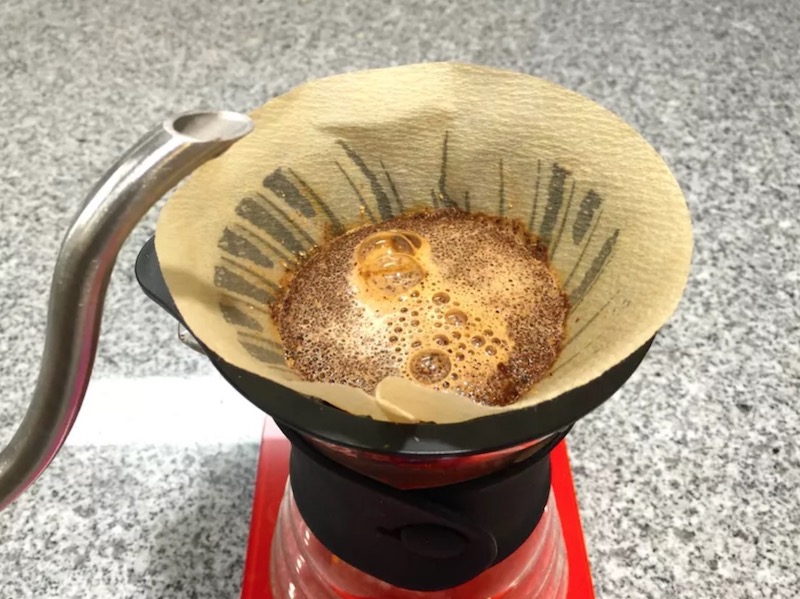
Our team has spent considerable time testing filters across brewing methods, and the differences are real and measurable. Paper filters produce a cleaner, brighter cup. Metal filters pass through oils and micro-fines, adding body and richness. Cloth filters offer a middle-ground texture that fans of traditional brewing swear by. Each choice involves trade-offs between flavor clarity, convenience, and environmental impact.
This guide covers everything — from the origins of the paper filter to how to keep a metal mesh screen in peak condition. Most people never think twice about which filter goes in the brewer, but a small amount of knowledge here can meaningfully improve the cup in front of them.
Contents
- The Story Behind Coffee Filters
- Coffee Filter Types and Uses: A Complete Breakdown
- Matching the Right Filter to Any Brew Method
- Tips for Getting Better Results From Any Filter
- Common Coffee Filter Myths Worth Busting
- How to Clean and Care for Reusable Filters
- Building a Smarter Long-Term Filter Strategy
- Frequently Asked Questions
- Final Thoughts
The Story Behind Coffee Filters
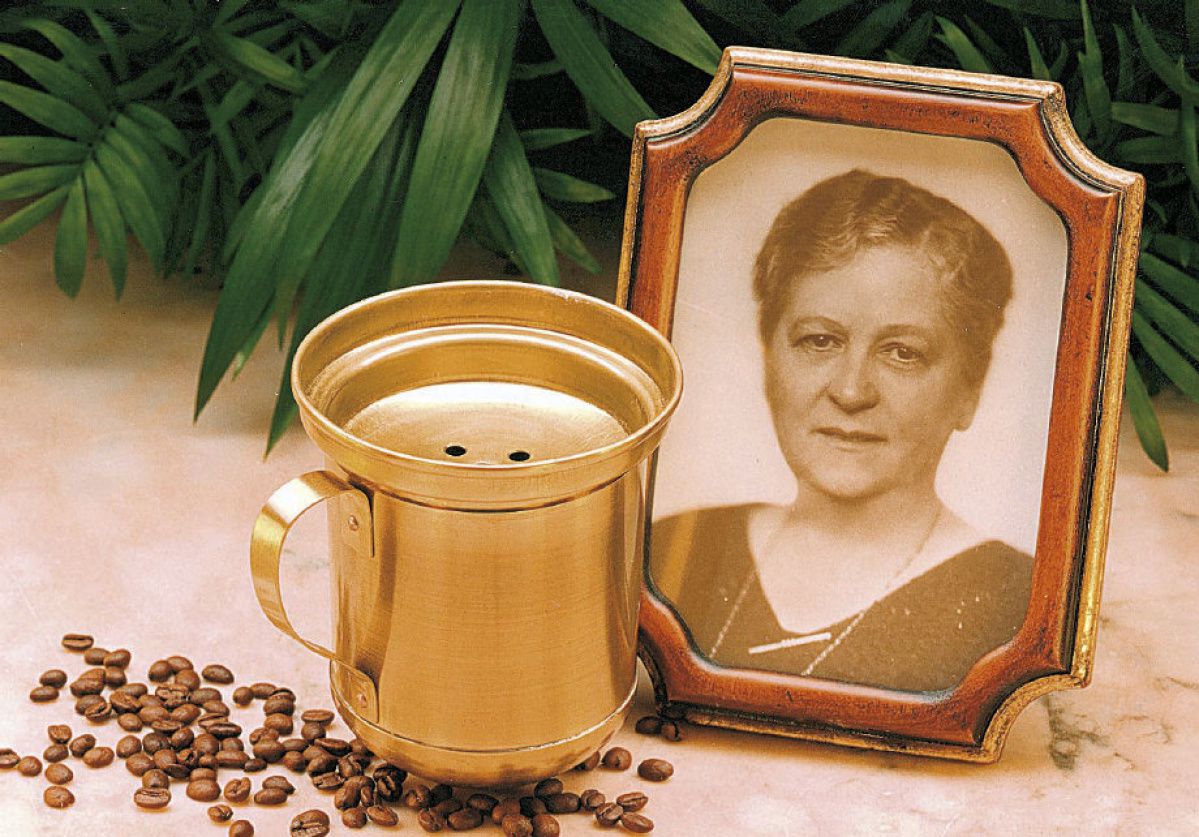
The modern paper coffee filter has a very specific origin — and it starts with a woman named Melitta Bentz. In 1908, the German entrepreneur was frustrated with the bitter, over-extracted coffee coming from cloth and percolator-style brewers of the era. She punched holes in a brass pot and lined it with a sheet of blotter paper taken from her son's school notebook.
The result was a cleaner, gentler cup — and a patent followed shortly after. According to Wikipedia's entry on coffee filters, Bentz's company grew into a global brand, and her invention fundamentally changed how the world brews coffee. The concept was simple, but the impact was enormous.
Before paper filters became widespread, coffee was brewed using:
- Cloth bags and socks — a traditional method still used in parts of Latin America and Southeast Asia
- Percolators — which cycled boiling water through grounds repeatedly, often producing bitter results
- Direct immersion — grounds dropped into water, then settled or strained (cowboy coffee)
- Metal sieves — rudimentary early versions of today's mesh filters
Each method left a mark on coffee culture, and many are still in active use today — which is part of why coffee filter types and uses remain such a relevant topic for anyone who brews at home.
Coffee Filter Types and Uses: A Complete Breakdown
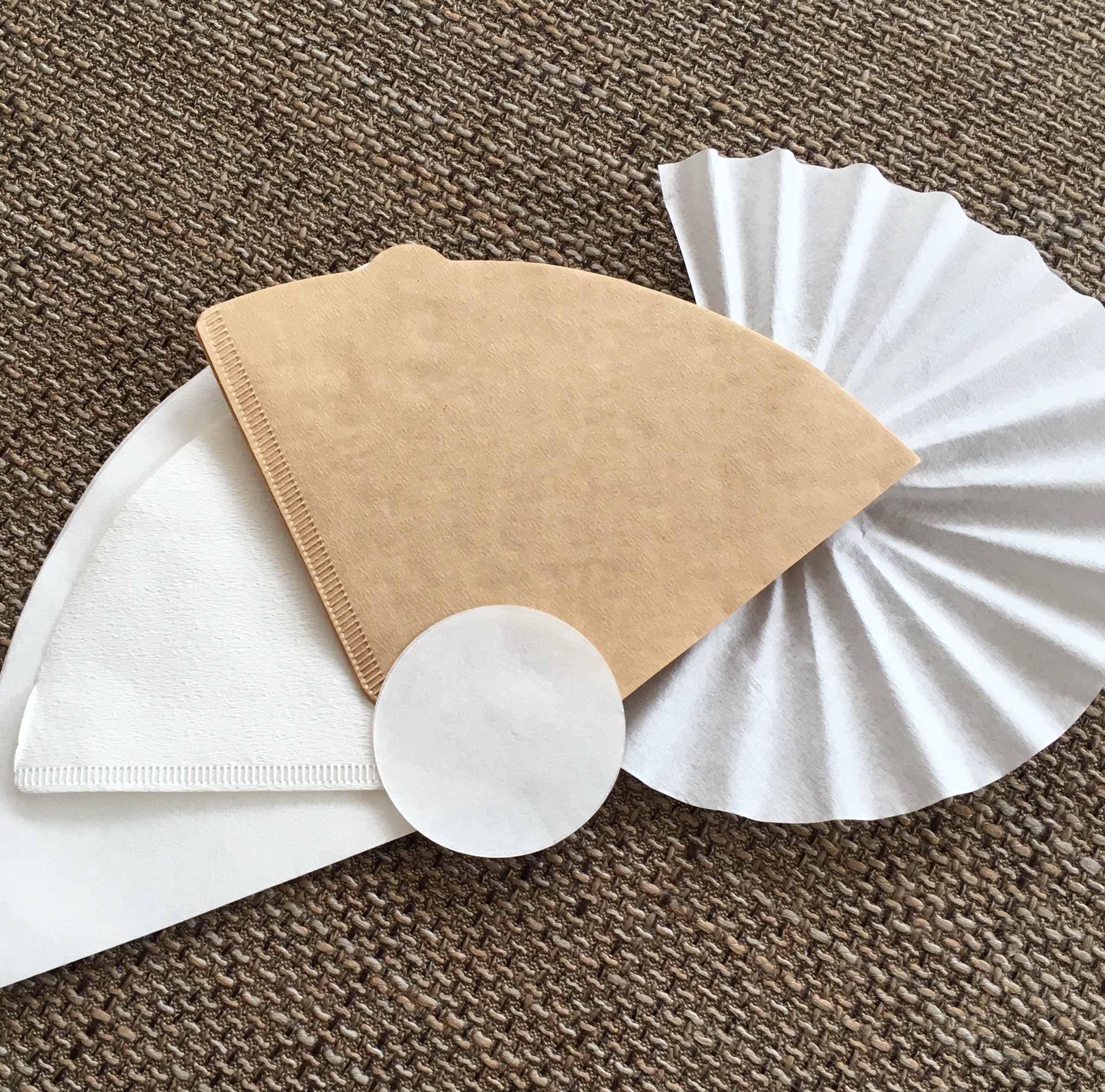
There are four main categories of coffee filters, each with distinct characteristics. Our team has tested all of them across multiple brewing setups, and the performance differences are significant enough to matter in daily brewing.
| Filter Type | Cup Clarity | Body & Oils | Cost | Eco-Friendly | Best For |
|---|---|---|---|---|---|
| Paper (bleached) | Very High | Low | Low (per use) | No (single-use) | Drip, pour over, AeroPress |
| Paper (unbleached) | High | Low | Low (per use) | Slightly better | Drip, pour over |
| Metal mesh | Low–Medium | High | High (one-time) | Yes (reusable) | French press, pour over, drip |
| Cloth (sock/flannel) | Medium–High | Medium | Low (reusable) | Yes | Cold brew, traditional drip |
| Specialty (e.g., AeroPress disc) | Variable | Variable | Medium | Partial | AeroPress, espresso-style |
Paper Filters
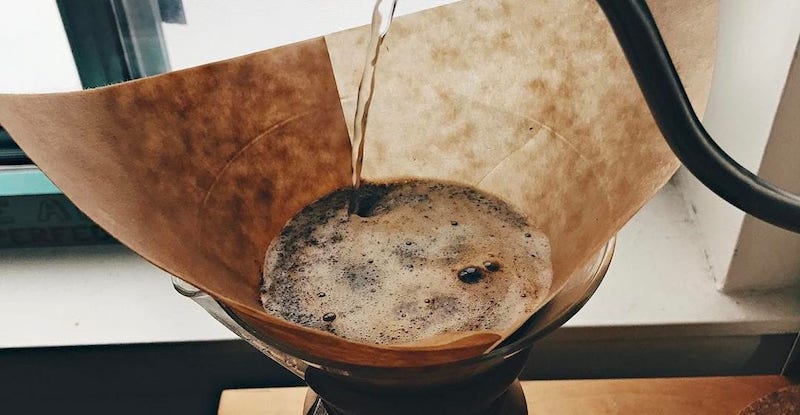
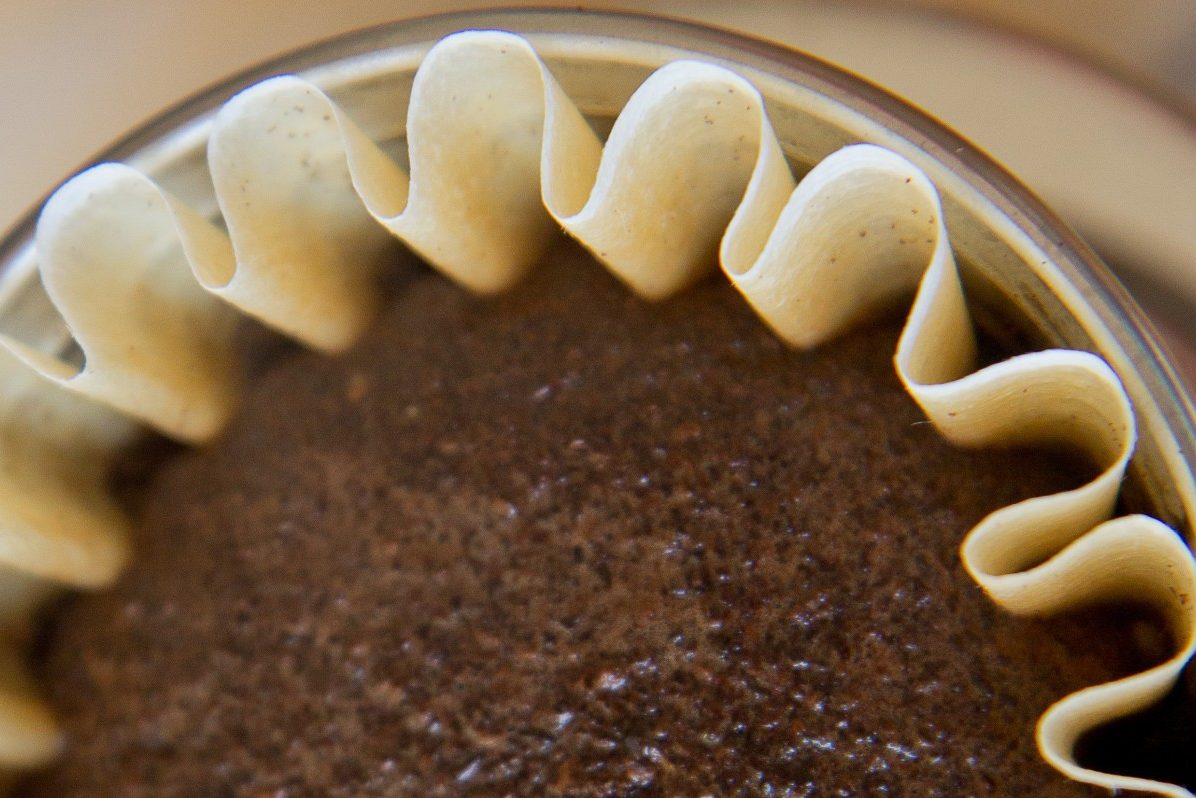
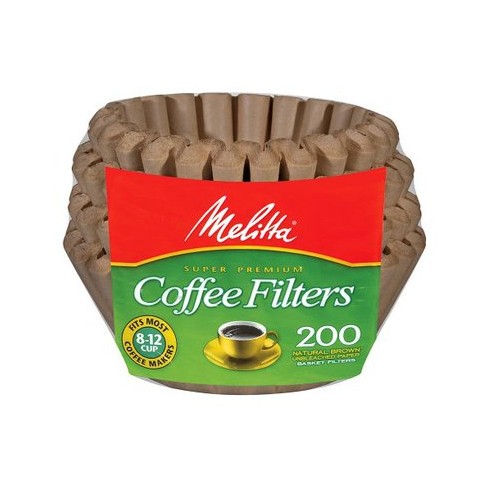
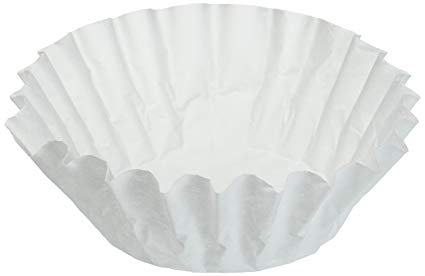
Paper filters are the most common type found in home kitchens. They come in several shapes — cone, basket, and flat-bottom — to fit different brewers.
- Bleached filters use oxygen or chlorine to achieve a bright white color. The process leaves no meaningful chemical residue in the final brew.
- Unbleached filters are natural brown. Pre-rinsing is recommended to eliminate any papery taste before adding grounds.
- Paper traps most coffee oils (cafestol and kahweol) and fine particles, producing a brighter, cleaner cup.
- The main downside: single-use means ongoing cost and material waste.
Metal Filters
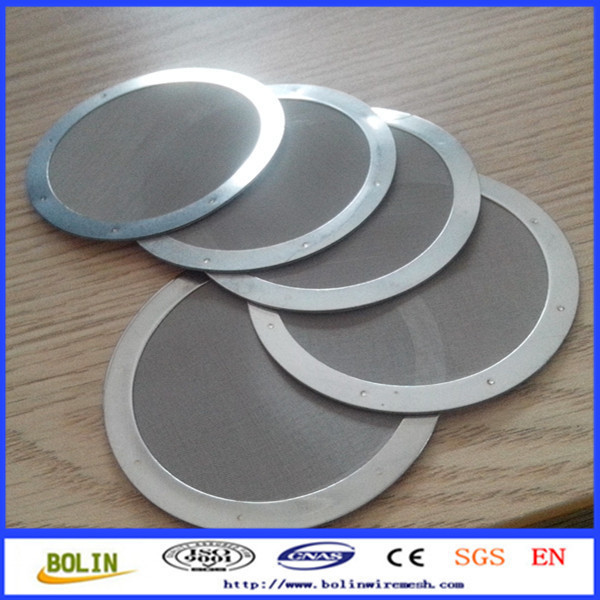
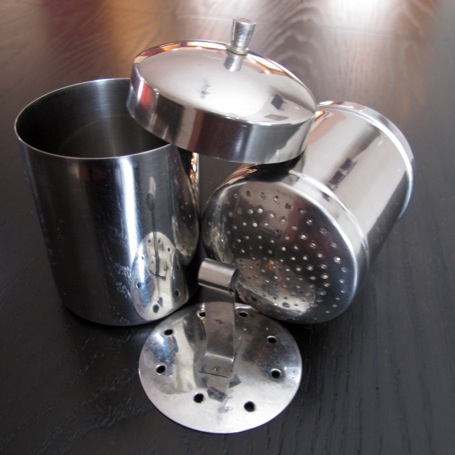
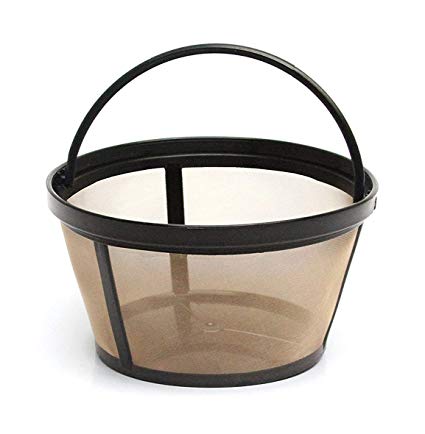
Metal mesh filters — typically stainless steel — are the reusable workhorses of the filter world. They allow natural coffee oils and fine particles to pass through, producing a fuller-bodied cup with more pronounced flavor compounds.
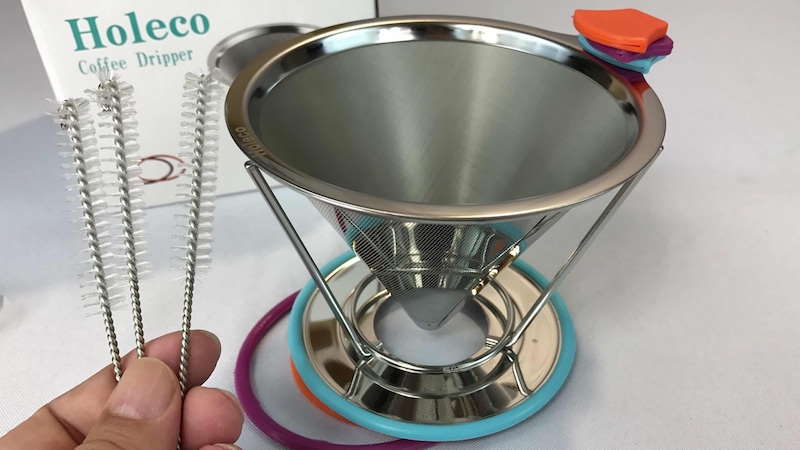
- Common in pour over setups, French press, and some drip machines
- Higher upfront cost, but pay for themselves within months for daily drinkers
- Some sediment at the bottom of the cup is normal and expected
- Grind consistency matters more with metal — uneven grounds produce muddy, harsh results
Cloth Filters
Cloth filters — often called coffee socks — are made from cotton or flannel. They sit between paper and metal in filtration: more oils pass through than with paper, but the fabric still traps most fine particles.
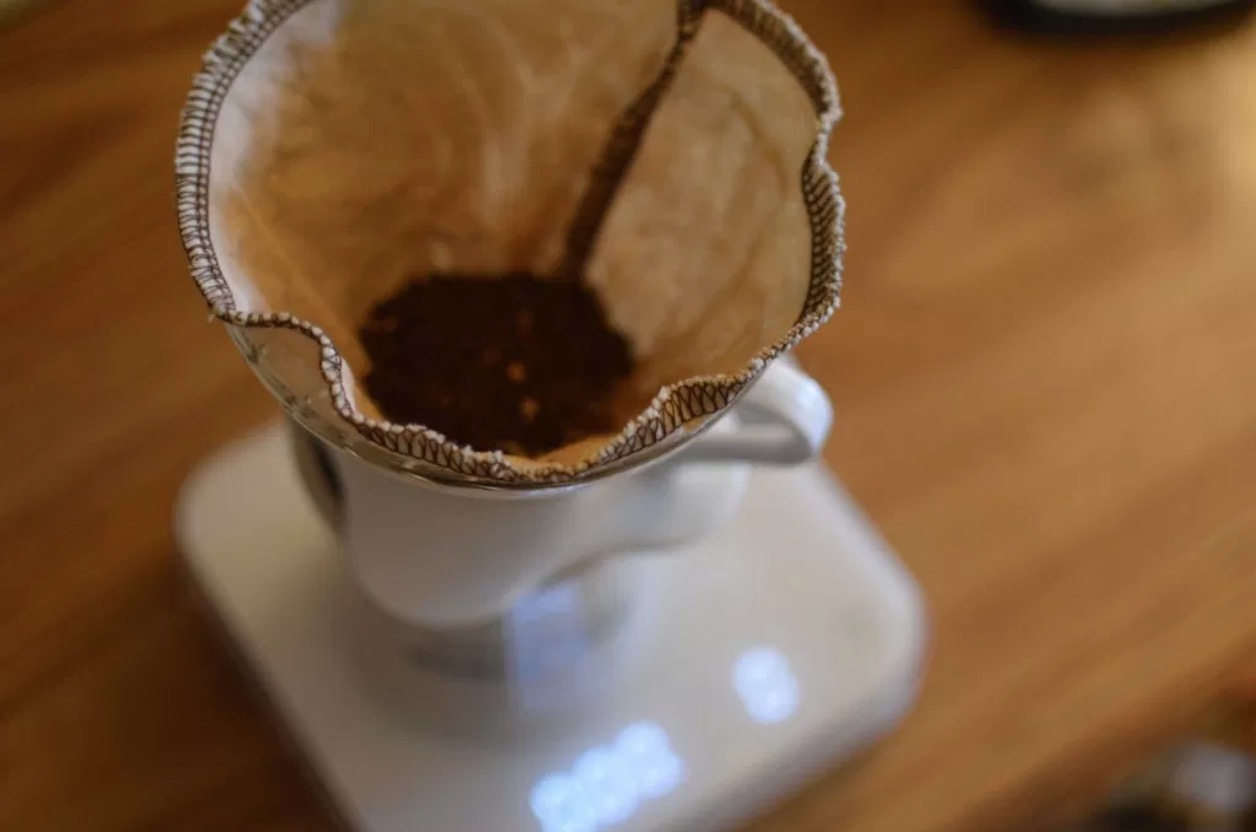
- Traditional in Vietnamese, Thai, and Latin American coffee preparation
- Reusable, but require rinsing immediately after each use and periodic deep cleaning
- They absorb oils over time, which affects flavor if not maintained properly
- Excellent for cold brew — the slow seep through cloth produces a very smooth concentrate
Specialty Filters
Specialty filters cover purpose-built options designed for specific brewers. The AeroPress, for example, uses small circular discs available in both paper and metal versions. Our detailed AeroPress filter comparison breaks down how these two options differ and which produces better results for different palates. Other specialty filters include:
- Chemex-bonded filters (thicker than standard paper, removes more oils)
- Kalita Wave flat-bottom filters (designed for more even water distribution)
- Siphon cloth or metal filters
- Gold-tone permanent filters for standard drip machines
Matching the Right Filter to Any Brew Method
Not every filter works in every brewer. Matching the right material to the right method is where knowledge of coffee filter types and uses becomes genuinely practical. Here is how our team maps it out:
- Drip coffee maker — basket or cone paper filters are standard; some machines accept permanent gold-tone filters
- Pour over — cone paper or metal; cone shape affects flow rate and extraction time significantly
- French press — no external filter needed; the built-in plunger mesh acts as the filter. Our French press brewing guide explains how a secondary paper pour-through can add clarity if sediment is an issue.
- AeroPress — paper or metal micro-discs; paper produces a brighter cup, metal adds body and texture
- Cold brew — cloth bags or paper work best; metal allows too much sediment into the concentrate
- Moka pot / stovetop espresso — built-in metal basket; no external filter is needed or used
- Siphon — cloth or hybrid metal-cloth filters are standard for this method
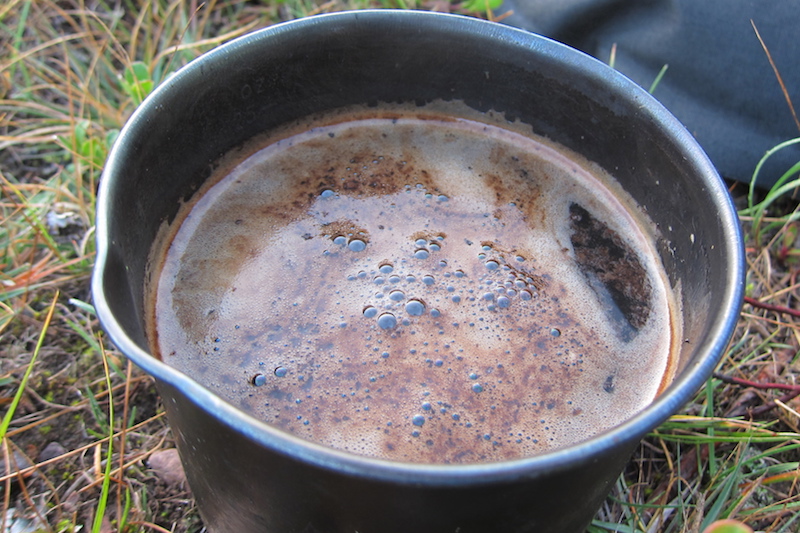
Some methods skip filters entirely. Cowboy coffee — grounds steeped directly in boiling water — relies on time and temperature to settle the grounds naturally. It's rustic, strong, and when done right, surprisingly drinkable.
Tips for Getting Better Results From Any Filter
Small adjustments in how a filter is used can produce noticeable improvements in the final cup. Our team recommends these practical steps for anyone looking to refine their process.
Before Brewing
- Pre-rinse paper filters with hot water before adding grounds — this removes papery taste and pre-heats the brewer
- For unbleached filters, pre-rinsing is especially important; the natural wood taste can easily transfer to the brew
- Bloom the coffee first — pour a small amount of hot water, wait 30 seconds to degas CO₂, then continue pouring for more even extraction
Pro tip from our team: Pre-rinsing a paper filter takes ten seconds and eliminates the single most common source of off-flavor in pour over coffee — our team considers it a non-negotiable step in any serious brewing routine.
During Brewing
- Pour water in slow, circular motions over paper filters to encourage even saturation of the grounds
- Avoid pouring directly against the filter walls — this creates channels where water bypasses the coffee bed
- Keep the bed of grounds level throughout the brew for consistent contact time across the entire puck
After Brewing
- Paper filters and grounds can be disposed of together — both are compostable
- Rinse metal or cloth filters immediately after use while residue is still loose and easy to remove
- Allow reusable filters to air dry completely before storing to prevent mold or off-odors
Common Coffee Filter Myths Worth Busting
There's a surprising amount of misinformation around coffee filter types and uses. Our team has encountered these myths repeatedly and finds it worthwhile to address each one directly.
Myth 1: Unbleached Filters Are Healthier
The bleaching process used for white paper filters — whether oxygen-based or chlorine-based — leaves no meaningful chemical residue in the brewed coffee. Both bleached and unbleached filters perform essentially the same in terms of safety. The choice comes down to personal preference and environmental values, not health outcomes.
Myth 2: Metal Filters Make Stronger Coffee
Metal filters produce a fuller-bodied cup, not a stronger one. Strength is determined by the coffee-to-water ratio. What metal filtration actually does is allow more oils and fine particles through — which adds richness and texture, but has no effect on caffeine content.
Myth 3: Reusable Filters Always Save Money
This depends entirely on usage frequency. A metal filter priced at $20–$30 pays for itself within a few months for daily drinkers. For occasional brewers, the math is less compelling. Cloth filters have a lower upfront cost but degrade over time and require periodic replacement — so the long-term savings are real but more modest.
Myth 4: Any Filter Works in Any Brewer
Shape and size compatibility are real constraints. A #4 cone filter won't seat properly in a basket-style machine. An AeroPress disc is specifically dimensioned for that brewer's chamber. Most people learn this the inconvenient way — our team recommends confirming brewer compatibility before purchasing any new filter type.
How to Clean and Care for Reusable Filters
Reusable filters are an investment. Proper care extends their useful life and keeps them performing consistently between uses.
Metal Filters
- Rinse under hot running water immediately after each use
- Use a soft brush to dislodge grounds embedded in the mesh
- Soak weekly in a 1:10 solution of white vinegar and water for 15–20 minutes to dissolve mineral buildup
- Avoid harsh detergents or abrasive sponges — these damage the mesh coating over time
- Inspect periodically for holes or warping; replace if the mesh is compromised
Cloth Filters
- Rinse immediately after brewing — never let them dry with grounds inside
- Boil in clean water once a week to sanitize and remove accumulated oil buildup
- Between daily uses, store submerged in clean water in the refrigerator to prevent bacterial growth
- Replace when the fabric appears discolored, develops a persistent off-smell, or shows visible wear
- Most cloth filters last approximately 90–120 brewing sessions with consistent care
Building a Smarter Long-Term Filter Strategy
For anyone brewing coffee consistently at home, filter choice isn't a one-time decision — it's an ongoing strategy. The goal is aligning filtration with brewing goals, budget, and environmental values over time.
Start With Clarity, Then Experiment
Our team generally recommends that most people start with paper filters. The results are predictable, clean, and forgiving. Once someone develops a clear sense of what they enjoy in the cup, experimenting with metal or cloth filtration becomes more meaningful and less guesswork.
Consider the Full Cost Picture
- Paper: ~$0.05–0.10 per filter × 365 days = roughly $18–36 per year
- Metal: $20–40 upfront, then effectively free indefinitely
- Cloth: $5–15 upfront, replace every three to four months with daily use
For most daily home brewers, switching to a metal filter pays for itself within a year. The environmental benefit — eliminating hundreds of single-use paper filters annually — is a meaningful bonus.
Match Filter Strategy to Flavor Goals
If the priority is maximum flavor clarity — pour over with specialty single-origin beans, for example — paper is hard to beat. If the goal is a rich, full-bodied cup with texture closer to espresso, metal filters deliver. Cloth filters serve those who want that middle-ground result without the ongoing cost of paper.
Our team also notes that filter choice interacts directly with grind size. Finer grinds slow extraction through any filter — but especially through paper, which can stall a pour over dramatically if grounds are too fine. For coarser-ground methods like French press, the built-in metal plunger screen typically performs well without any supplemental filtering.
Frequently Asked Questions
What is the difference between bleached and unbleached coffee filters?
Bleached filters are white and treated with oxygen or chlorine during manufacturing. Unbleached filters are natural brown and skip that step. Both filter coffee equally well — the practical difference is minimal. Unbleached filters benefit from a quick pre-rinse to eliminate any papery taste. There is no meaningful health distinction between the two types.
Can metal coffee filters be used in standard drip machines?
Yes, in many cases. Metal basket filters are widely available and sized to replace paper baskets in standard drip machines. Compatibility varies by brewer model — the filter must fit the basket geometry correctly. Expect a fuller-bodied cup with a small amount of sediment at the bottom, which is entirely normal for metal filtration.
How long do cloth coffee filters last?
With proper care — immediate rinsing after each use, weekly boiling, and refrigerated storage between sessions — cloth filters typically last around 90 to 120 brewing uses. Signs that replacement is needed include persistent discoloration, off-odors that don't wash out, and visible fabric degradation. Most daily brewers replace them every three to four months.
Does the type of coffee filter affect caffeine levels?
Filter type has no direct effect on caffeine content. Caffeine passes through all filter materials freely. What changes between filter types is the presence of coffee oils, which affect body and mouthfeel — not stimulant levels. Caffeine in the final cup is primarily determined by the coffee-to-water ratio, water temperature, and total contact time.
Final Thoughts
Coffee filter types and uses are more consequential than most people expect, and a small amount of knowledge here goes a long way toward a better daily cup. Our team encourages anyone curious about improving their brew to try a simple side-by-side comparison: run the same coffee through a paper filter and a metal filter on the same brewer, using the same ratio and water temperature, and let the results speak for themselves. From there, the right filter for any setup becomes a lot easier to identify — and the difference in the cup will make the experiment entirely worthwhile.


About Bryan Albuquerque
Bryan Albuquerque has been passionate about coffee for over a decade, developing hands-on experience with a wide range of home brewing equipment and grinding methods through years of daily practice and systematic testing. His focus is on the grinder side of coffee — burr geometry, grind consistency, retention, and how equipment choices affect extraction across different brewing methods. At KnowYourGrinder, he covers coffee grinder reviews, grind settings guides, and brewing advice for home baristas looking to improve their cup quality.
Get FREE Coffee Gifts now. Or latest free grinders from our best collections.
Disable Ad block to get all the secrets. Once done, hit any button below