A few years back, our team was wrapping up a brewing session and noticed the dense sediment coating the bottom of the carafe. Someone asked half-jokingly: what actually happens if someone eats those? We started digging into it — and the answers were far more interesting than expected. The health benefits of coffee grounds are well-documented, the risks are largely misunderstood, and most of what gets shared online skips the nuance entirely. For anyone exploring coffee science more broadly, our tips and info section covers plenty of coffee fundamentals — but spent grounds deserve a focused examination of their own.
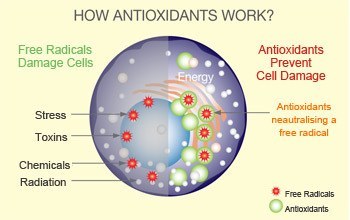
Coffee grounds — used and unspent alike — still contain fiber, antioxidants, and varying amounts of caffeine and chlorogenic acids after brewing. They are not inert. The question is whether those compounds translate into real benefit or meaningful risk at the quantities most people encounter. Our team has reviewed the available evidence, applied it to practical coffee use, and compiled what follows as an honest look at what grounds actually do — and don't do.
The short answer: coffee grounds are not harmful to most people in typical quantities. The longer answer involves understanding what they contain, how brewing changes their composition, and when their use genuinely adds value.
Contents
- What Coffee Grounds Actually Contain: A Beginner's Blind Spot
- How Brewing Equipment Shapes What Grounds Leave Behind
- When Coffee Grounds Are Worth Keeping — and When to Skip Them
- The Health Benefits of Coffee Grounds: Clearing Up Common Misconceptions
- Practical Uses Most People Overlook
- Our Best Tips for Getting Real Value from Spent Grounds
What Coffee Grounds Actually Contain: A Beginner's Blind Spot
The Nutritional Profile After Brewing
Most people treat used coffee grounds as pure waste — something to scrape into the bin without a second thought. That assumption is exactly where the understanding breaks down. Spent grounds are not empty. After hot water passes through them, a meaningful portion of their bioactive compounds remains intact and accessible.
Our team found the following breakdown useful for understanding what grounds actually retain after a standard brew cycle:
| Compound | Present in Used Grounds? | Estimated Retention | Primary Role |
|---|---|---|---|
| Dietary Fiber | Yes | ~80% or more | Gut health, digestive support |
| Antioxidants (Polyphenols) | Yes | ~50–70% | Reduces oxidative stress |
| Caffeine | Yes (residual) | ~10–30% | Mild stimulant effect |
| Chlorogenic Acids | Yes | Moderate | Anti-inflammatory properties |
| Diterpenes (Cafestol, Kahweol) | Yes | High (trapped in solid matrix) | May modestly elevate LDL cholesterol |
| Nitrogen | Yes | High | Beneficial for soil and compost |
The fiber finding is particularly striking. Research published in the Journal of Agricultural and Food Chemistry confirmed that spent coffee grounds contain more soluble dietary fiber than most fresh fruit juices — a comparison that surprises most people who assume grounds are nutritionally inert. This makes grounds a genuinely useful ingredient when incorporated in small amounts into food, not just an interesting byproduct to discard.
The diterpene content is worth noting on the other side of the ledger. Cafestol and kahweol — compounds largely trapped in grounds rather than dissolved into brewed coffee when paper filters are used — have been linked to modest increases in LDL cholesterol when consumed regularly in meaningful quantities. For most culinary applications involving small amounts of grounds, this is not a practical concern. For anyone already managing elevated cholesterol, it's a variable worth knowing about.
Caffeine Retention: What Stays Behind

Standard hot extraction pulls between 70% and 90% of available caffeine into the liquid. What stays in the grounds is real but modest — roughly 3 to 8 mg per teaspoon of used grounds. For context, a standard espresso shot contains 60 to 70 mg. The residual caffeine in spent grounds is not going to produce significant stimulant effects at culinary quantities.
Cold brew and under-extracted batches are the exception. When extraction is incomplete — due to low temperature, very coarse grind, or short contact time — substantially more caffeine remains in the grounds. Anyone sensitive to caffeine should approach unspent or cold brew grounds with that in mind, particularly when using them in recipes intended for daily consumption.
How Brewing Equipment Shapes What Grounds Leave Behind
Grind Size and Its Effect on Ground Composition
The grind size chosen before brewing has a direct effect on what the resulting grounds contain — a point that gets overlooked in most discussions about spent grounds. Finer grinds expose more surface area to hot water, producing more complete extraction. More caffeine, more acids, and more soluble compounds end up in the cup. What remains in the grounds after a fine grind is proportionally lower in soluble compounds and higher in insoluble fiber.
Coarser grinds behave differently. Less surface area contacts the water, extraction is less complete, and the grounds retain more of their original compound profile. Coarsely ground French press puck remnants will contain noticeably more caffeine and antioxidants than finely ground espresso puck waste. For anyone planning to use spent grounds in food recipes or topical applications, this distinction matters practically.
Why the Brew Method Matters
Brew method changes the equation further. Our guide to coffee filters covers how paper filtration versus metal mesh affects what reaches the cup — but the downstream effect on grounds themselves is equally significant. Paper-filtered methods pull diterpenes out of the liquid and trap them in the filter and the grounds. Metal-filtered methods allow diterpenes to pass through into the cup, which means the grounds carry a lower diterpene concentration compared to paper-filter equivalents.
Here is how the major brew methods compare in terms of what their spent grounds contain:
- Espresso grounds: Very fine grind, high-pressure extraction. Low caffeine retention, lower antioxidant retention, high insoluble fiber.
- French press grounds: Coarse grind, extended immersion. Higher caffeine and antioxidant retention. Metal mesh means higher diterpene content in the cup, lower in grounds.
- Pour over grounds: Medium grind, paper-filtered. Moderate extraction completeness. Grounds carry low diterpene content.
- Cold brew grounds: Coarse grind, very low temperature. Often significantly under-extracted. Highest residual caffeine in spent grounds of any common method.
When Coffee Grounds Are Worth Keeping — and When to Skip Them
Situations Where Grounds Deliver Real Value
Pro insight: Drying used grounds in a thin layer on a baking sheet before storing them prevents mold and keeps them usable for days rather than hours — a simple step most people skip.
The useful applications of spent coffee grounds extend far beyond the compost bin. Our team has identified the situations where grounds consistently make a genuine difference:
- In cooking and baking: Used grounds add depth and complexity to dry rubs, chocolate baked goods, and oatmeal. One to two teaspoons per serving is a practical, safe quantity for most recipes.
- As a natural exfoliant: The coarse texture of used grounds makes them effective for skin exfoliation. Residual antioxidants contribute a measurable skincare benefit beyond simple abrasion.
- As a deodorizer: Dry grounds placed in small open containers neutralize refrigerator and enclosed-space odors efficiently — often more effectively than baking soda.
- In compost: Grounds add nitrogen to a compost pile and adjust pH slightly downward, which benefits decomposition and suits acid-preferring plants.
- As a pest deterrent: Grounds spread around raised garden beds discourage slugs and snails from crossing the barrier.
Cases Where Grounds Create More Harm Than Good

Context determines whether grounds are beneficial or counterproductive. A few scenarios where caution makes clear sense:
- Applied in thick layers to potted plant soil, grounds compact over time and restrict water penetration — damaging to root systems that need consistent drainage.
- Consumed in large quantities at once, grounds cause digestive discomfort for many people. The fiber load and abrasive texture together create a significant gastric challenge.
- Used around pets — particularly dogs and cats — residual caffeine in grounds is genuinely toxic to companion animals. Even modest quantities can produce serious symptoms requiring veterinary attention.
- Stored wet without drying, grounds mold within 24 to 48 hours. Moldy grounds carry health risks that completely erase any benefit.
The pattern across all of these is excess or improper handling — not grounds themselves. Used correctly and in reasonable quantities, the risk profile for most healthy adults is very low.
The Health Benefits of Coffee Grounds: Clearing Up Common Misconceptions
Myths That Won't Die
Several persistent misconceptions about coffee grounds circulate online. Our team encounters all of them regularly, and they warrant direct responses.
Myth: Used grounds have no nutritional value. This is simply false. As the table above shows, fiber and antioxidant content remain substantial after brewing. The compounds don't disappear — they stay in the solid matrix of the grounds and remain bioavailable when consumed.
Myth: Coffee grounds are highly acidic and damaging to skin. Spent grounds have a pH of approximately 6.5 to 6.8 — close to neutral. They are not acidic in any practically meaningful sense for external use. Commercial skincare brands use them specifically because of their gentle, non-irritating exfoliant properties combined with antioxidant content.
Myth: Eating grounds dramatically spikes caffeine intake. A teaspoon of used grounds contains roughly 3 to 8 mg of caffeine. That is negligible compared to a single espresso shot at 60 to 70 mg. The concern is not realistic at the amounts involved in normal culinary use.
Myth: Coffee grounds are toxic to humans. They are not. The compounds in grounds — polyphenols, chlorogenic acids, diterpenes — are the same compounds found in brewed coffee itself, present in different concentrations. There is no toxicity concern for otherwise healthy adults using grounds in food or topical applications at normal quantities.
What the Evidence Actually Shows
The research on the health benefits of coffee grounds points in a consistent direction. According to research published via the National Institutes of Health, coffee polyphenols — many of which are retained in spent grounds — are among the most abundant dietary antioxidants in Western diets. This finding has been replicated across multiple large-scale dietary studies and is not contested in the nutrition science literature.
The fiber content of grounds supports digestive health when consumed in appropriate amounts. Chlorogenic acids have been studied in connection with metabolic health outcomes across several longitudinal dietary studies, with consistent findings around anti-inflammatory effects. The compounds present in spent grounds are not hypothetical — they are the same ones researchers have tracked in brewed coffee for decades.
The important caveat is dose. None of these benefits are dramatic at the amounts typically involved in food applications. Grounds are a useful supplement to an existing healthy diet, not a standalone therapeutic intervention.
Practical Uses Most People Overlook
In the Garden
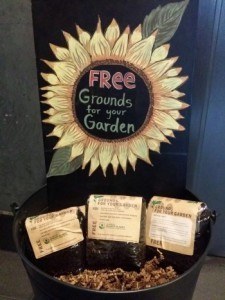
Garden applications for coffee grounds are among the most well-established and practical. Grounds contain nitrogen, potassium, and phosphorus in quantities that benefit soil health when released through decomposition. Mixed into the top layer of garden soil or added to a compost pile, used grounds provide a slow-release nutrient source that most synthetic fertilizers cannot replicate in terms of soil microbiome impact.
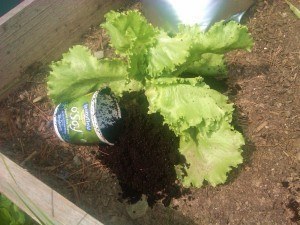
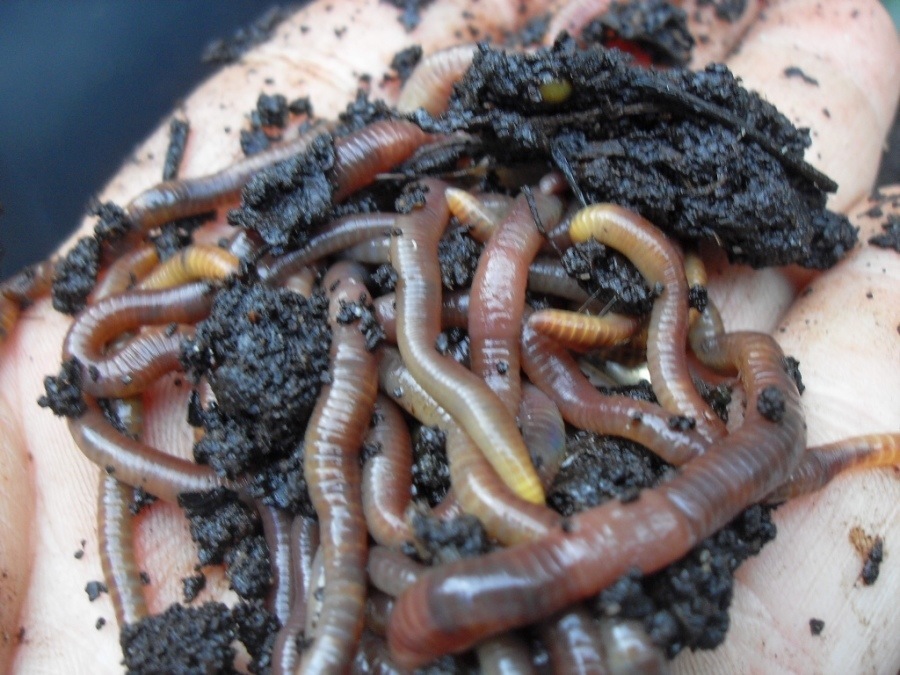
Acid-loving plants — blueberries, azaleas, rhododendrons, tomatoes — respond particularly well to grounds incorporated into their growing medium. The modest pH shift that grounds produce suits the nutrient uptake profile of these plants. Earthworms in vermicompost systems are also strongly attracted to coffee grounds; they process them efficiently and their castings return nutrients in a highly bioavailable form.

In the Kitchen and Around the House
The kitchen and household applications are equally practical and consistently underutilized:
- Dry rubs for meat: Ground coffee — used or fresh — adds bitter complexity that balances rich fats in pork, lamb, and beef. A ratio of one part grounds to two parts spice blend works well for most applications without overpowering the protein.
- Baked goods: One teaspoon of used grounds stirred into brownie or chocolate cake batter deepens the chocolate flavor without adding a pronounced coffee taste. The effect is subtle and broadly well-received.
- Odor absorption: Dry grounds placed in breathable containers neutralize refrigerator odors effectively. The same principle works on hands after handling garlic, onion, or fish.
- Cast iron cleaning: Grounds work as a gentle scrub for cast iron pans and grill grates. The abrasive texture removes residue without the chemical concerns of synthetic scrubbers or the rust risk of steel wool.
Our Best Tips for Getting Real Value from Spent Grounds
Storage and Timing
Timing is the most underappreciated factor in working with used grounds. Freshly brewed grounds are at their best for any application — compounds are still active and mold has not had time to develop. Our team recommends using or drying grounds within 24 hours of brewing for all food, skin, and garden applications.
Drying is simple: spread grounds in a thin layer on a baking sheet and leave at room temperature for several hours, or place in a low oven (around 200°F / 93°C) for 30 minutes. Properly dried grounds store in an airtight container for up to two weeks without significant compound degradation. Labeling the container with the brew method helps match grounds to the right application later — cold brew grounds stay in the garden, espresso grounds work well in baked goods.
Application Best Practices
A few principles our team applies consistently when working with spent grounds:
- Keep garden application ratios conservative. Grounds should make up no more than 20% of a compost mix by volume. Higher concentrations create drainage problems and can suppress beneficial microorganisms.
- For skin use, combine grounds with a carrier oil — coconut or jojoba — at roughly a 1:1 ratio. This produces a balanced scrub that exfoliates without over-abrading.
- In food applications, start with one teaspoon per recipe and adjust from there. The flavor is concentrated and forward — a small amount produces a noticeable effect.
- For odor control, replace grounds every three to four days. Beyond that point, absorptive capacity drops and the grounds themselves begin carrying a stale scent.
- Track which brew method produced each batch of grounds. Matching grounds to appropriate applications based on their caffeine content and compound profile produces consistently better results than treating all spent grounds as interchangeable.
Our experience is that the home coffee drinker who brews daily generates a meaningful amount of spent grounds across a week — enough to supply a small garden, a skincare routine, and a few kitchen experiments simultaneously. The resource is already being produced. Using it well takes almost no additional effort once the habits are established. As a starting point, our French press brewing guide covers a method that produces some of the most nutrient-dense spent grounds available from standard home equipment.
Frequently Asked Questions
Is it safe to eat coffee grounds directly?
Eating used coffee grounds in small quantities — one to two teaspoons at a time — is safe for most healthy adults. They contain fiber and antioxidants, and the residual caffeine after a standard hot brew is minimal. Eating large quantities at once can cause digestive discomfort due to the combined effect of high fiber concentration and the abrasive texture of the grounds.
Do the health benefits of coffee grounds differ between used and fresh unbrewed grounds?
Fresh, unbrewed grounds contain higher concentrations of caffeine and antioxidants than spent grounds. After hot water extraction, soluble compounds are partially depleted, but a significant portion of the antioxidants and nearly all of the fiber remain. For dietary applications, either type works — but fresh grounds are more potent and require smaller quantities to achieve the same flavor or nutritional impact.
Can coffee grounds be used safely in a vegetable garden?
Our team recommends applying used grounds to the soil around acid-tolerant vegetables — tomatoes, peppers, blueberries — in modest amounts. Mixing grounds into compost first is the most reliable approach, as direct heavy surface application compacts soil and disrupts drainage. Keeping grounds at 20% or less of total compost volume consistently produces the best plant health outcomes.
The best part of the coffee ritual isn't what goes into the cup — it's learning that what comes out of it still has plenty left to give.


About Selmir Omic
Selmir Omic is a coffee enthusiast and writer based in San Francisco with a particular interest in specialty coffee culture, single-origin beans, and the relationship between roast level and brewing method. He approaches coffee evaluation from a flavor and origin perspective, covering tasting notes, roast profiles, and the farm-to-cup story behind the beans that serious coffee drinkers seek out. At KnowYourGrinder, he covers coffee bean and roast reviews, taste tests, and guides to specialty coffee for readers building their palate and expanding their brewing knowledge.
Get FREE Coffee Gifts now. Or latest free grinders from our best collections.
Disable Ad block to get all the secrets. Once done, hit any button below