Ever stood in the coffee aisle staring at a wall of paper filters wondering which one actually makes a difference? You're not alone. The right coffee filter shapes how your cup tastes, how fast your brew drains, and even how much sediment ends up in your mug. The Chemex Bonded Natural Square Filter consistently earns top marks for clarity and clean flavor — but that doesn't mean it's the right pick for everyone.
Coffee filters come in more shapes, materials, and price points than most people realize. You've got paper cone filters for pour-over setups, flat-bottom basket filters for drip machines, permanent gold-tone mesh filters for reusable convenience, and disc filters for unique percolator-style brewers. Each type changes the final cup in subtle but real ways. If you brew with a quality BPA-free coffee maker, pairing it with the right filter can make a noticeable difference in taste.
In this guide, we reviewed seven of the most popular coffee filters available in 2026 — covering paper, metal, bleached, unbleached, cone, and basket styles. We'll walk you through each product, give you a practical buying guide, and answer the questions we hear most often. Browse all our coffee accessories reviews for more gear that pairs well with a great filter. For extra background on filter materials and brewing science, our detailed guide on coffee filter types, uses, and everything you need to know is worth a read before you decide.
Our Top Picks for 2026
- #PreviewProductRating
- Bestseller No. 1
 Rating:

- Bestseller No. 2
 Rating:
 - Bestseller No. 3
 Rating:
 - Bestseller No. 4
 Rating:
 - Bestseller No. 5
 Rating:
 - Bestseller No. 6
 Rating:
 - Bestseller No. 7
 Rating:
Full Product Breakdowns

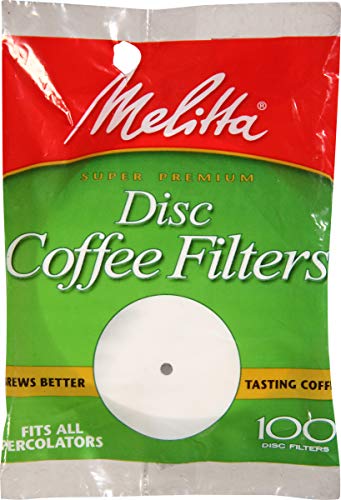
1. Melitta Super Premium Disc Coffee Filters — Best for Percolator & Disc Brewers
If you own a Melitta one-cup pour-over dripper or a percolator-style brewer that uses disc filters, finding a reliable replacement pack can be surprisingly tricky. The Melitta Super Premium Disc Filters are purpose-built for that exact job. Each disc is cut with precision to fit the Melitta single-serve cone without buckling or collapsing during the brew. The paper quality is noticeably dense — denser than cheaper discount alternatives — which means it traps fine particles effectively while still allowing a reasonable flow rate.
Melitta has been making coffee filters since the early 1900s, and that experience shows in the consistency here. Every disc in the 100-count pack feels uniform in thickness. You won't get the occasional thin sheet that tears mid-brew. These are also oxygen-bleached white filters, which removes the papery taste that sometimes bleeds into your first cup when using un-rinsed filters. That said, if you're not using a percolator or Melitta disc brewer, this filter simply won't work in your machine — it's a specialty item.
For the right brewer, though, this is an easy recommendation. The 100-count pack gives you roughly three months of daily brewing and the per-filter cost is very reasonable. The only real caveat is compatibility: double-check your brewer's spec sheet before ordering.
Pros:
- Precise disc shape holds steady during extraction
- Oxygen-bleached — minimal papery aftertaste
- Dense paper construction filters fine grounds effectively
- Consistent thickness across the entire 100-count pack
- Trusted brand with decades of filter-making experience
Cons:
- Only works with disc-format or Melitta perc-style brewers
- Not widely available in local stores — mostly an online purchase
2. Hario V60 Paper Coffee Filter Size 02 Natural 200ct — Best for Pour-Over Enthusiasts
The Hario V60 is one of the most iconic pour-over drippers in the world, and these natural (unbleached) paper filters are the manufacturer's own recommended pairing. Size 02 fits the most popular V60 size and brews 1 to 4 cups per session. The natural brown color means the paper hasn't been bleached with chlorine, which matters to coffee drinkers who are sensitive to subtle chemical tastes. Many baristas recommend a quick pre-rinse of the filter before brewing — this removes any mild papery note and heats the dripper at the same time.
Flow rate is the defining characteristic of Hario V60 filters. The paper is thin enough to allow a reasonably fast drawdown, which works well if you enjoy a lighter, tea-like cup of coffee where delicate aromatics come through. For medium or dark roasts where you want a fuller body, you might actually prefer a slightly slower filter, but for light and medium-light roasts, these perform beautifully. The 200-count pack is practical — it's enough to last months for most home brewers.
One thing to keep in mind: these filters are specifically sized and shaped for the V60 cone. If you're using a different pour-over dripper, measure the cone opening before ordering. The fit matters more than you'd think — a filter that doesn't seat correctly will cause channeling (uneven water flow through the grounds), which ruins the brew.
Pros:
- Official Hario filters — perfect fit for V60 02 dripper
- 200-count pack offers excellent value
- Natural/unbleached paper — no chlorine treatment
- Fast flow rate suits light and medium-light roasts well
- Easy to find and consistently available
Cons:
- Requires a pre-rinse to eliminate papery taste
- Not compatible with non-V60 drippers
- Thin paper can sometimes shift if not seated carefully
3. Chemex Bonded Filter Natural Square 100 Count (Pack of 2) — Best for Exceptionally Clean Coffee
If you want the clearest, cleanest cup of coffee you've ever tasted at home, the Chemex Bonded Filter is hard to beat. Chemex filters are 20–30% thicker than standard coffee filters, and that extra thickness does something remarkable: it removes almost all coffee oils (called diterpenes, which are the compounds that give coffee its heavier body and can affect cholesterol levels in large amounts) along with sediment and micro-fines. What you get is a brilliantly transparent cup with clarity of flavor that highlights the origin notes in your beans.
These are square natural filters, meaning they're folded into a cone shape before use and they haven't been bleached with chlorine. The cone shape ensures uniform extraction — water saturates the grounds evenly rather than channeling down one side. Chemex filters are also compostable and manufactured in the USA from North American materials only, which is a genuine plus if sustainable sourcing matters to you. They work perfectly well for brewing tea, too, if you want a truly clear herbal infusion.
The tradeoff is brew time and cost. Because the paper is so thick, water drains more slowly — a full 6-cup Chemex brew can take 4 to 5 minutes compared to 2 to 3 minutes for most V60 setups. This longer contact time actually works in your favor for medium roasts, but it can over-extract light, delicate roasts. Per-filter cost is also higher than basic basket filters. Still, for a brewer who prioritizes cup clarity above all else, this is the filter to beat. Pair it with a quality burr grinder and freshly roasted beans to see what clean coffee really tastes like.
Pros:
- 20–30% thicker than standard filters — removes oils and sediment completely
- Uniform cone shape prevents channeling during extraction
- Compostable and made in the USA from North American materials
- Works well for both coffee and tea
- Natural unbleached paper — no chlorine treatment
Cons:
- Slower brew time due to thick paper
- Higher per-filter cost than basket or V60 alternatives
- Can over-extract very light or delicate roasts
4. Mr. Coffee 8-12 Cup Coffee Filters 100 Count — Best Budget Basket Filter
Not everyone is running a specialty pour-over setup. If your daily driver is a standard drip coffee maker with a basket-style filter holder, the Mr. Coffee 8-12 Cup Basket Filters are about as straightforward and reliable as it gets. These are flat-bottom basket filters sized for 8 to 12 cup drip brewers — the same machines found in millions of kitchens across the country. They fit virtually all standard basket-type drip filter brewers, including most Hamilton Beach, Black+Decker, Cuisinart, and of course Mr. Coffee machines.
The paper is standard weight — not as thick as Chemex, not as thin as some bargain generic packs. They hold their shape reasonably well in the filter basket during a full brew cycle, and cleanup is simple: lift out the used filter with the grounds inside and drop it straight in the compost or trash. For everyday household brewing, that's exactly what you want.
Where these fall short is in filtration precision. A thinner paper filter like this will allow slightly more micro-fines and coffee oils to pass through compared to a Chemex filter. For most people drinking a medium or dark roast, that's actually a flavor preference rather than a flaw — those oils contribute to body and mouthfeel. But if you prefer a very clean cup, you might want to upgrade. At this price point and for this use case, though, Mr. Coffee basket filters do exactly what they promise.
Pros:
- Universal fit for 8-12 cup basket drip brewers
- 100-count box at a very low price per filter
- Easy cleanup — lift and toss
- White filters with minimal papery taste
- Widely available in stores and online
Cons:
- Standard paper thickness passes more oils than specialty filters
- Not suitable for pour-over or cone-style drippers
5. Cuisinart GTF Gold Tone Coffee Filter 10-12 Cup — Best Reusable Permanent Filter
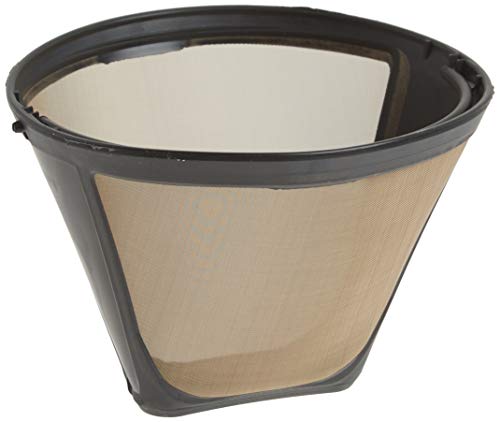
What if you never wanted to buy paper filters again? That's exactly the appeal of the Cuisinart GTF Gold Tone Permanent Filter. This is a reusable mesh filter made from gold-tone stainless steel, sized to fit 10-12 cup Cuisinart drip coffee makers. Instead of trapping and discarding a paper filter each morning, you simply empty the grounds, rinse the mesh under the tap, and it's ready for tomorrow.
The gold-tone coating (a very fine mesh layer applied over stainless steel) is the key engineering detail here. Unlike paper, a mesh filter doesn't absorb or block coffee oils — it lets them pass through into your cup. This produces a fuller-bodied, richer-tasting coffee that many people prefer for medium and dark roasts. Think of it as somewhere between a paper-filtered drip and a French press in terms of body and mouthfeel. The mesh is fine enough to block most grounds, but not as fine as paper, so a very small amount of sediment may settle at the bottom of your mug — totally normal and harmless.
Long-term, a permanent filter saves money and reduces waste. The upfront cost is higher than a box of paper filters, but you'll recoup it within a few months of regular use. The one maintenance requirement: don't let coffee oils build up on the mesh. A weekly soak in warm soapy water (or a dishwasher-safe cycle) keeps the mesh clean and prevents rancid oil buildup from affecting your coffee's taste. This is a genuine Cuisinart part, so you get reliable fit and quality control for compatible machines.
Pros:
- Reusable — no paper waste, saves money over time
- Lets coffee oils through for fuller body and richer flavor
- Genuine Cuisinart part — reliable fit for compatible machines
- Environmentally friendly — eliminates ongoing paper consumption
- Durable construction designed for years of daily use
Cons:
- Allows more sediment and oils than paper — not ideal for those who prefer a very clean cup
- Requires regular cleaning to prevent oil buildup
- Only fits specific Cuisinart 10-12 cup models
6. CAFEC 100-Pack Cone V60 02 Style Paper Filter — Best Specialty Pour-Over Filter
CAFEC is a Japanese specialty filter brand that takes paper quality very seriously — and it shows. These white cone filters are made from refined virgin pulp (the brown color has been removed, but the process uses no dyes or harmful chemicals). What's especially interesting is the fiber source: CAFEC uses abaca (Manila hemp) fiber extracted from banana plant leaf-stems. This is an FSC-certified sustainable material — no wood is used in the manufacturing process at all, which means the trees stay intact.
From a brewing perspective, the abaca fiber blend creates a filter with excellent wet strength. Unlike some thin paper filters that get soft and flimsy once wet, these hold their cone shape firmly throughout the entire brew. The paper is also surprisingly supple — it conforms to the dripper walls cleanly without air gaps that can cause water to bypass the grounds. Flow rate sits in a comfortable middle range: faster than a Chemex filter, slightly slower than the standard Hario natural filter. For most pour-over drinkers, that's a sweet spot.
Taste-wise, these filters are extremely neutral. CAFEC uses no bleach, glues, or chemical additives — just pure refined pulp and abaca fiber. Specialty coffee shops and competition baristas frequently use CAFEC filters specifically because they don't want the filter itself influencing the flavor profile of a carefully sourced single-origin bean. If you're grinding fresh with a ceramic burr grinder and using quality beans, these filters won't hold you back. The 100-count pack is fully biodegradable — another win for eco-conscious brewers.
Pros:
- Made from abaca (banana fiber) — no wood, fully FSC-certified sustainable
- No bleach, dyes, glues, or chemicals — extremely neutral flavor impact
- Excellent wet strength — holds shape through the entire brew
- Universal V60-02 cone shape fits most standard cone drippers
- Fully biodegradable and compostable
Cons:
- Higher price per filter than basic commodity options
- Specialty item — not available in most grocery or hardware stores
7. 8-12 Cup Basket Coffee Filters Natural Unbleached 200 Count — Best Eco-Friendly Basket Filter
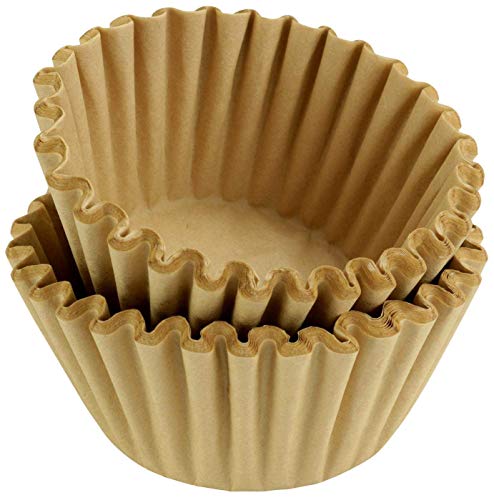
If you use a standard drip coffee maker and prefer to avoid bleached paper, these natural unbleached basket filters are a practical everyday option. Sized for 8-12 cup basket brewers, they're made right here in the USA from paper — a renewable, biodegradable resource. The brown color comes from the natural unbleached pulp, not from dyes or additives. For anyone who has noticed a slight chemical taste in their coffee when using white filters without pre-rinsing, switching to unbleached is a common fix.
Build quality stands out at this price point. The sides are notably sturdy — they don't collapse inward during brewing the way some thin bargain filters do. That structural integrity matters because a collapsed filter can allow grounds to spill over into your coffee pot. Fewer grounds in the cup means a cleaner, more pleasant drink without bitter sediment at the bottom.
The paper also does a solid job filtering out coffee oils and micro-particles that contribute to bitterness. If you've been drinking coffee from a standard drip maker and wondering why it sometimes tastes harsh, the filter is one of the first things to examine. A good unbleached filter with sturdy construction can genuinely improve your daily cup without changing anything else about your routine. At 200 filters per pack and made in the USA, these offer excellent value for the environmentally conscious daily drip drinker.
Pros:
- Natural unbleached paper — no chlorine treatment
- Sturdy sides resist collapsing during brewing
- Made in the USA from biodegradable renewable paper
- 200-count pack is excellent value
- Removes oils and micro-particles that cause bitterness
Cons:
- Natural paper can carry a mild earthy flavor — pre-rinsing recommended
- Only suitable for flat-bottom basket drip brewers
Buying Guide: How to Choose the Best Coffee Filter in 2026
Filter Type: Match the Filter to Your Brewer
This is the most important factor and one that many buyers overlook until they receive the wrong item. Filter shape is dictated entirely by your brewer, not by personal preference. Here's a quick breakdown:
- Basket filters (flat-bottom): Used in standard drip coffee makers with a basket-style filter holder. The most common type in American kitchens.
- Cone filters: Used in pour-over drippers like the Hario V60, Chemex, or cone-style drip machines. Come in sizes 01 (1-2 cups), 02 (1-4 cups), and 04 (1-8 cups).
- Disc filters: A specialty shape used in specific percolator-style or Melitta single-cup pour-over holders.
- Permanent/reusable filters: Metal mesh, usually gold-tone stainless steel. No shape variation needed — just check your brewer's model compatibility.
Before you order anything, check your brewer's manual or the manufacturer's website for the recommended filter type and size. A mismatched filter ruins every brew.
Bleached vs. Unbleached: Does It Really Matter?
This debate comes up constantly, and the answer depends on your sensitivity. Bleached white filters have been treated with oxygen bleaching (the safer modern method) or chlorine bleaching (older, less common now) to remove the natural brown color of the paper. When well-made and pre-rinsed, they produce virtually no flavor impact.
Unbleached natural filters retain their brown color and avoid any chemical bleaching process. Some people detect a very mild earthy or papery note with unbleached filters, especially without pre-rinsing. The fix is simple: run hot water through the empty filter for 10–15 seconds before adding grounds. This also preheats your dripper or carafe, which improves brewing temperature stability.
According to Wikipedia's overview of coffee filters, the key functional difference is that paper thickness and weave have a greater effect on cup quality than bleaching method alone. Pick whichever you prefer on principle — then focus on thickness and compatibility.
Paper vs. Metal: Flavor vs. Convenience
This is a genuine trade-off, not a clear winner.
- Paper filters absorb coffee oils (diterpenes like cafestol and kahweol). This creates a cleaner, brighter, more transparent cup. If you have high cholesterol or prefer a light, delicate coffee, paper filters are your friend.
- Metal/permanent filters allow those oils to pass through. The result is a richer, fuller-bodied cup with more mouthfeel — similar to French press coffee. If you love a bold, heavy cup, a gold-tone filter might serve you better.
- Neither approach is wrong. It's a matter of what you want in your cup.
Price Per Filter and Long-Term Value
Budget matters. Here's how the math roughly works out across filter types:
- Budget basket filters (Mr. Coffee): Often under $0.05 per filter. Lowest ongoing cost.
- Standard V60 natural filters (Hario): Around $0.05–$0.08 per filter at bulk pricing.
- Specialty filters (Chemex, CAFEC): Typically $0.10–$0.20 per filter. Higher quality, higher cost.
- Permanent filters (Cuisinart GTF): Higher upfront cost, but $0.00 per brew after that. Breaks even within a few months.
If you're brewing once a day with a standard drip machine, budget basket filters make total financial sense. If you're a daily pour-over brewer who cares deeply about flavor nuance, the extra cost of specialty filters is often worth it. Consider your brewing frequency and how much the subtle flavor differences matter to you personally.
FAQs
What is the difference between bleached and unbleached coffee filters?
Bleached filters are white and have been treated with oxygen or chlorine to remove the natural brown color of the paper pulp. Unbleached filters retain their natural brown color and skip the bleaching step entirely. In practice, both types perform similarly in terms of filtration. The main concern is whether residual bleaching chemicals affect your coffee's taste. With modern oxygen-bleached filters, the difference is minimal — a thorough pre-rinse eliminates any trace taste from either type. Unbleached filters are the preferred choice for people who want to minimize chemical processing in their brewing routine.
Do coffee filters affect the taste of coffee?
Yes, they can — in several ways. Paper filters absorb coffee oils (called diterpenes), which removes them from your cup and produces a cleaner, brighter taste. Metal filters let those oils pass through, creating a heavier body and richer mouthfeel. Filter thickness also plays a role: thicker filters like Chemex produce a very clear, transparent cup by trapping more micro-particles. Thinner filters allow slightly more sediment through. Finally, a filter with papery flavor from the pulp can subtly taint your first brew — pre-rinsing prevents this. The filter is a real variable in your brewing equation, not just packaging.
Are permanent (metal) coffee filters worth it?
For many daily drip coffee drinkers, yes. A permanent gold-tone filter like the Cuisinart GTF costs more upfront but eliminates the recurring expense and waste of paper filters. Over 6 to 12 months of daily use, you'll typically recoup the cost. The trade-off is cup clarity: metal filters produce a heavier cup with more oils and occasionally a small amount of sediment at the bottom. If you prefer the clean, bright taste of paper-filtered drip coffee, you may not enjoy the switch. But if you like bold, full-bodied coffee and want to reduce packaging waste, a permanent filter is a smart long-term investment.
Can I use any coffee filter in my brewer?
No — filter shape and size must match your brewer. Using the wrong filter type can cause grounds to spill into your carafe, affect water flow, or simply not fit at all. Basket-style drip machines need flat-bottom basket filters. Cone drippers (like the Hario V60 or Chemex) need cone-shaped filters in the correct size number (01, 02, or 04). Disc-format brewers like certain Melitta models need disc filters specifically. Always check your brewer's specifications before purchasing filters. Brewer compatibility is listed on the filter packaging for most major brands.
How many times can I use a paper coffee filter?
Paper coffee filters are designed for single use only. After one brew, the paper fibers are saturated and weakened. Reusing a paper filter risks it tearing during brewing, which releases grounds into your coffee. It can also introduce stale oils from the previous brew, affecting flavor negatively. Reusable permanent metal filters (like the Cuisinart gold-tone) are designed for repeated daily use and can last years with proper cleaning. If you're concerned about waste and cost, a permanent filter is a better solution than trying to reuse paper filters.
Should I pre-rinse my coffee filter before brewing?
Yes, and it's one of the simplest habits that actually improves your coffee. Pre-rinsing a paper filter with hot water before adding grounds accomplishes two things: it removes the mild papery taste from the filter material (especially important with unbleached brown filters), and it preheats your dripper, carafe, or mug so the brewing temperature stays stable. Simply place the filter in your dripper, pour hot water through it, discard that water, then add your coffee grounds and brew as normal. The process takes about 15 seconds and makes a noticeable difference, particularly with light or delicate single-origin roasts.
Buy on Walmart
- Melitta Super Premium Disc Coffee Filters, White, 100 Count — Walmart Link
- Hario V60 Paper Coffee Filter, Size 02, Natural, 200ct — Walmart Link
- Chemex Bonded Filter - Natural Square - 100 Count (Pack of 2 — Walmart Link
- Mr. Coffee 8-12 Cup Coffee Filters, Box, Assorted, 100 Count — Walmart Link
- Cuisinart GTF Gold Tone Coffee Filter, 10-12 Cup — Walmart Link
- CAFEC 100-Pack Cone-shaped V60 02 Style Universal 1 to 4 Cup — Walmart Link
- 8-12 Cup Basket Coffee Filters (Natural Unbleached, 200) — Walmart Link
Buy on eBay
- Melitta Super Premium Disc Coffee Filters, White, 100 Count — eBay Link
- Hario V60 Paper Coffee Filter, Size 02, Natural, 200ct — eBay Link
- Chemex Bonded Filter - Natural Square - 100 Count (Pack of 2 — eBay Link
- Mr. Coffee 8-12 Cup Coffee Filters, Box, Assorted, 100 Count — eBay Link
- Cuisinart GTF Gold Tone Coffee Filter, 10-12 Cup — eBay Link
- CAFEC 100-Pack Cone-shaped V60 02 Style Universal 1 to 4 Cup — eBay Link
- 8-12 Cup Basket Coffee Filters (Natural Unbleached, 200) — eBay Link
Next Steps
- Identify your brewer's filter type and size (check the manual or the brewer's base for a model number) before ordering anything — compatibility is the one thing you can't compromise on.
- Check the current price on Amazon for the filter that best matches your brewer and brewing style — prices fluctuate and bulk packs often go on sale.
- If you're a daily drip brewer who cares about reducing waste, compare the long-term cost of a permanent gold-tone filter against a year's worth of paper filters for your machine.
- Try pre-rinsing your current filter with hot water before your next brew — it's a free, 15-second experiment that often improves cup clarity noticeably.
- For a deeper dive into how filter choice interacts with your grind size and brewing method, read our AeroPress filter comparison guide to see how the same principles apply across different brewing formats.


About Selmir Omic
Selmir Omic is a coffee enthusiast and writer based in San Francisco with a particular interest in specialty coffee culture, single-origin beans, and the relationship between roast level and brewing method. He approaches coffee evaluation from a flavor and origin perspective, covering tasting notes, roast profiles, and the farm-to-cup story behind the beans that serious coffee drinkers seek out. At KnowYourGrinder, he covers coffee bean and roast reviews, taste tests, and guides to specialty coffee for readers building their palate and expanding their brewing knowledge.
Get FREE Coffee Gifts now. Or latest free grinders from our best collections.
Disable Ad block to get all the secrets. Once done, hit any button below