The Ultimate Sex Coffee Recipe To Naturally Increase Libido and Enhance Fertility
Studies show that roughly 40% of women and 30% of men experience some form of reduced sexual desire at some point in their lives — and a growing number of people are quietly turning to a surprisingly simple solution: their morning coffee. A thoughtfully crafted sex coffee recipe to increase libido combines your everyday brew with natural, research-backed herbs and spices that support hormone balance, improved circulation, and sustained energy. If you're a coffee lover who wants more from your cup, this guide breaks down every ingredient, the science behind it, and exactly how to make it at home.
The concept is more grounded than it sounds. Coffee alone has been linked to improved blood flow and, in some research, reduced rates of sexual dysfunction. Layer in adaptogens (plants that help your body manage stress) like maca root and ashwagandha, plus mood-lifting compounds from raw cacao, and you've got a drink that works on multiple levels. For more practical coffee tips and brewing ideas, browse our tips and info section — there's a lot more where this came from.
Before we get into the recipe itself, one important note: this isn't a miracle cure. No single drink fixes every underlying issue. But if you're looking for a natural, enjoyable way to support your body's hormonal and reproductive health, this recipe is genuinely worth exploring. Let's get into it.

Contents
- The Ingredients Compared: What Each One Brings to Your Cup
- Simple Steps to Start Feeling a Difference
- What Science Actually Says About Coffee and Sex Drive
- How to Keep Your Ingredients Fresh and Potent
- How to Make a Sex Coffee Recipe That Actually Increases Libido
- Mistakes That Undermine Your Sex Coffee Results
- What This Actually Costs You Per Cup
- Frequently Asked Questions
- Key Takeaways
The Ingredients Compared: What Each One Brings to Your Cup
Understanding what you're putting in your coffee — and why — makes all the difference between a drink that actually works and one that just tastes odd. Each ingredient in a sex coffee recipe targets a specific aspect of libido, fertility, or sexual wellness. Knowing the role each one plays also helps you customize the recipe to your own needs.
Coffee as the Foundation
Your coffee base matters more than most people think. A medium to dark roast with natural processing tends to retain more of coffee's beneficial compounds, including antioxidants that support vascular health. If you're curious about the strongest options out there, check out our guide to the world's strongest coffees — some of those high-caffeine beans have interesting profiles worth considering here. You don't need an expensive espresso machine. A standard drip or French press works perfectly. The key is freshness — use freshly ground beans when possible, because oxidized, stale coffee loses a lot of its beneficial compounds before the add-ins even enter the picture.

The Key Libido-Boosting Add-Ins
Here's where it gets interesting. The add-ins below have varying levels of scientific support, so it's worth knowing what each one actually does — and how much to use.
| Ingredient | Primary Benefit | Suggested Dose per Cup | Evidence Level |
|---|---|---|---|
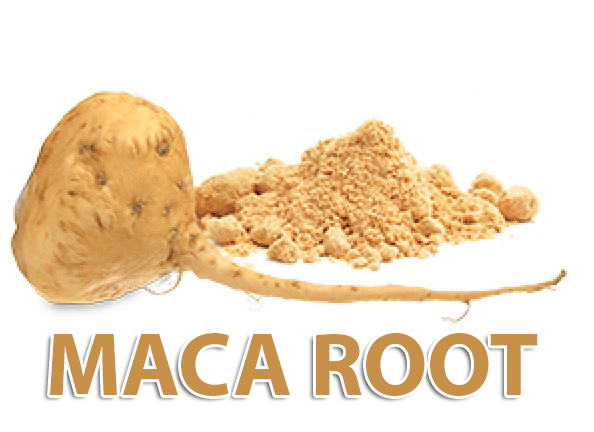
| Maca Root Powder | Libido support, hormone balance | 1–2 tsp | Moderate (multiple human trials) |
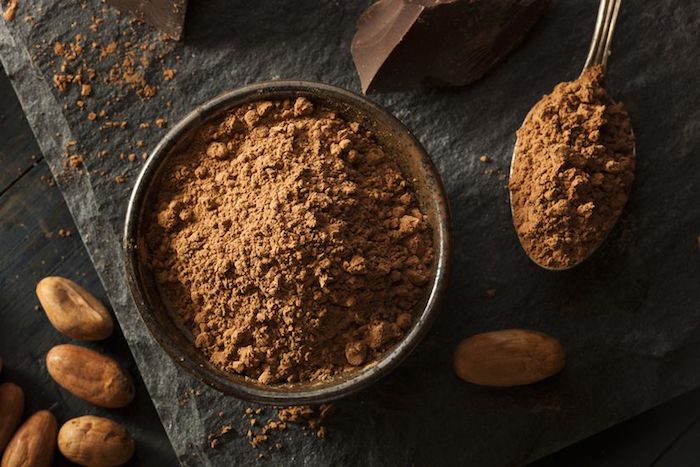
| Raw Cacao Powder | Mood, blood flow, phenylethylamine boost | 1 tbsp | Moderate |
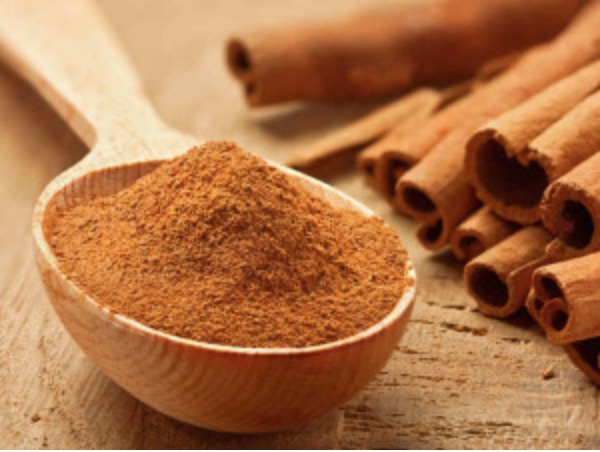
| Cinnamon | Circulation, blood sugar balance | ¼ tsp | Good (well-studied) |
| Raw Honey | Energy, boron for testosterone support | 1 tsp | Moderate |
| Coconut Milk | Healthy fats for hormone production | 2–4 tbsp | Indirect (dietary fat research) |
| Ashwagandha | Stress reduction, testosterone support | ¼–½ tsp | Good (multiple randomized trials) |

Simple Steps to Start Feeling a Difference
You don't need to overhaul your entire routine to get results. Some of the most noticeable changes come from small, consistent tweaks to what you're already doing every morning. The good news is that the ingredients in this recipe are easy to work into a habit you've probably already built.
Start with a Small Dose
If you're new to adaptogens and herbal add-ins, start low. Try just maca root in your first week — half a teaspoon is plenty. Your body needs time to adapt, and starting small lets you gauge how your system responds without overwhelming it. Maca in particular can cause mild digestive upset if you jump straight to a full tablespoon. Give it a week, then add the next ingredient. This staged approach also helps you identify which addition is actually making a difference for you personally.

When to Drink It
Timing your sex coffee well makes a real difference. Most people find that drinking it in the morning — 30 to 60 minutes after waking — gives the adaptogens time to absorb while the caffeine kicks in gradually. Avoid it too late in the day, since the caffeine can disrupt sleep, and poor sleep is one of the fastest ways to tank your libido. Some people enjoy a cup in the early afternoon, but if you're caffeine-sensitive, mornings are your best bet for consistent results without the drawbacks.
What Science Actually Says About Coffee and Sex Drive

Let's separate what's backed by evidence from what's just wishful thinking. There's genuine science here — but there's also a fair amount of hype that can lead you down the wrong path if you're not careful.
The Caffeine-Libido Connection
A University of Texas study found that men who consumed 85–170 mg of caffeine daily were about 42% less likely to report erectile dysfunction compared to non-drinkers. That's a meaningful finding. The mechanism is fairly straightforward: caffeine relaxes smooth muscle tissue, allowing increased blood flow to the genitals. Coffee's role in boosting circulation is well-documented, and circulation is foundational to sexual function for both men and women. According to Wikipedia's overview of maca, this Peruvian root has been used for centuries to support fertility and reproductive health — and modern clinical studies are beginning to validate those traditional uses in meaningful ways.
Myths Worth Setting Straight
One persistent myth: that you need to drink sex coffee every single day without interruption to see any benefit. That's not quite right. Consistency helps, but missing a day here and there doesn't reset your progress. Another common misconception is that more ingredients equals better results. It doesn't. Stacking every supplement you can find into a single cup is a reliable way to give yourself a stomachache, not a libido boost. The recipe works because the ingredients complement each other synergistically — not because of sheer volume. Keep it focused.

How to Keep Your Ingredients Fresh and Potent
Your sex coffee recipe is only as good as the quality of its ingredients on any given day. Powders and spices degrade over time — especially when exposed to heat, light, and moisture — and degraded ingredients simply don't deliver the benefits you're counting on.
Storing Powders and Spices
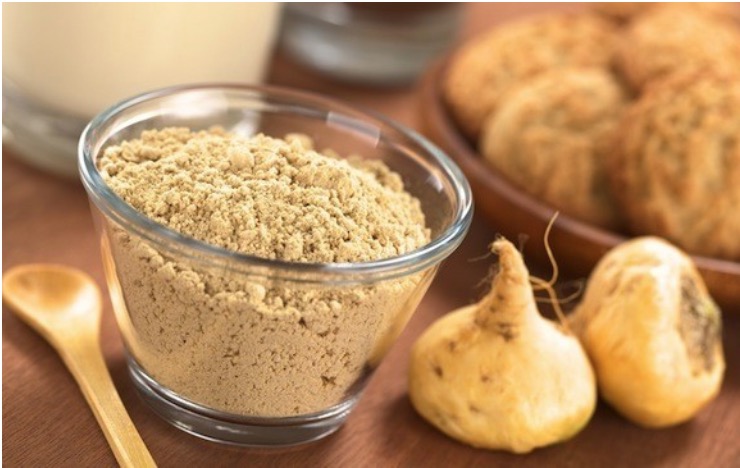
Maca powder, raw cacao, ashwagandha, and cinnamon should all be stored in airtight containers away from direct sunlight. A cool, dark pantry shelf is ideal. Avoid storing them above the stove or right next to the coffee maker — the heat and moisture cycles from daily brewing will shorten their effective shelf life significantly. Glass jars with tight-fitting lids work better than the bags most powders come in, which aren't properly sealed after the first use. Label each jar with the purchase date so you know where you stand.
Shelf Life at a Glance
Raw honey lasts almost indefinitely when properly sealed — it's one of the few foods that genuinely doesn't expire. Ground cinnamon stays potent for 2–4 years. Maca powder and raw cacao are best used within 1–2 years of purchase. Coconut milk from a can should be refrigerated after opening and used within 5 days. If that feels inconvenient, powdered coconut milk is a practical alternative — it stores easily alongside your other powders and measures out just as well in hot coffee.
How to Make a Sex Coffee Recipe That Actually Increases Libido
Here's the part you've been waiting for. This sex coffee recipe to increase libido is designed to be practical — you can pull it together in about five minutes with ingredients available at most health food stores or online retailers. No exotic equipment required.
The Core Recipe
Start with 8–12 oz of freshly brewed coffee. While it's still hot, add the following and blend or whisk vigorously to fully combine everything:
- 1 teaspoon maca root powder
- 1 tablespoon raw cacao powder
- ¼ teaspoon ground cinnamon
- 1 teaspoon raw honey (stir in after the coffee cools slightly to preserve its active enzymes)
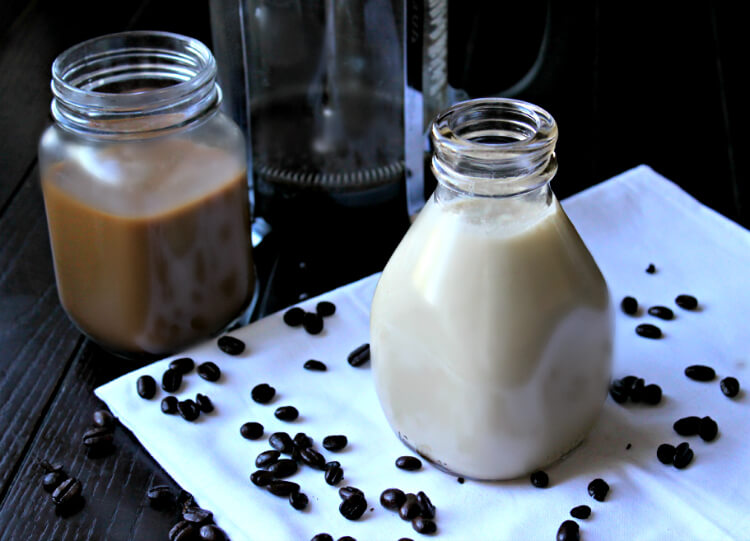
- 2–4 tablespoons full-fat coconut milk
- ¼ teaspoon ashwagandha powder (optional but recommended for stress-related low libido)
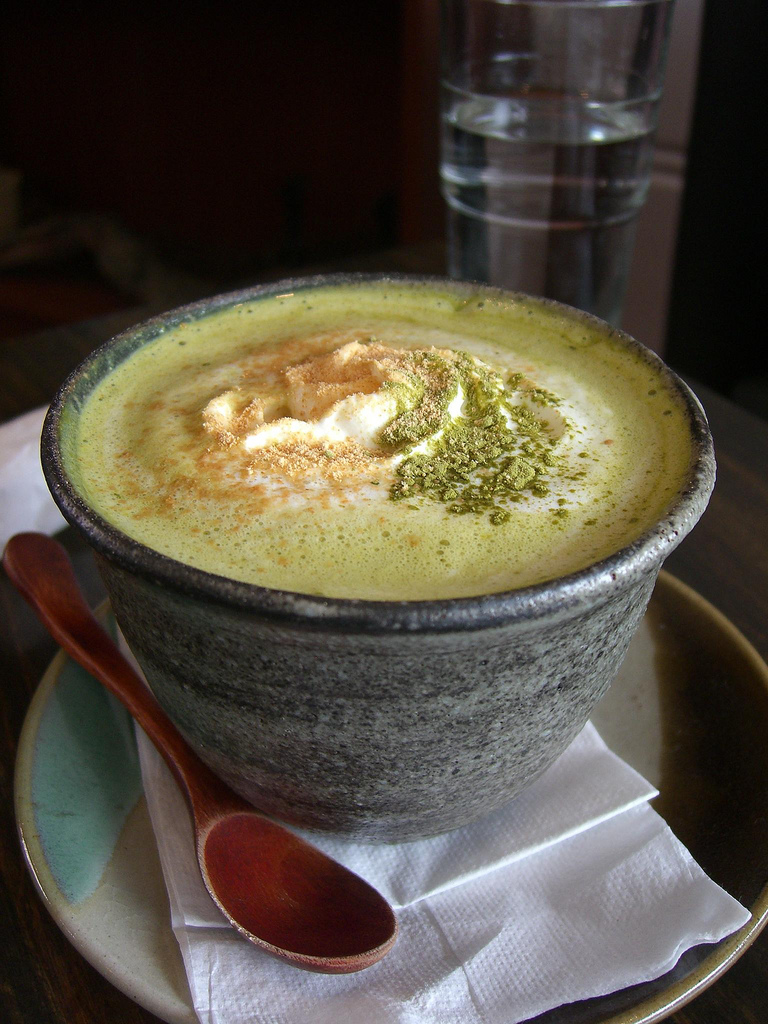
Blend everything together for about 20 seconds. This creates a frothy, latte-like consistency that properly incorporates the powders. If you just stir, you'll get clumps of maca sitting at the bottom of your cup — and that's both unpleasant to drink and a waste of ingredient. A small handheld milk frother is all you need and costs next to nothing.
Brew Method Options
Your brew method shapes the final texture and flavor of the drink. A French press gives you a full-bodied, rich coffee that holds up well against the earthy notes of maca and cacao — our complete French press brewing guide will help you dial in that technique if you're new to it. Espresso is another excellent option, giving you a concentrated base that you can then extend with warm coconut milk to create something closer to a mocha. Drip coffee works fine too and is the most accessible starting point. Whatever method you choose, make sure you're using the right water quality for brewing — it affects the taste of your final cup more than most people expect.
Mistakes That Undermine Your Sex Coffee Results
Getting the recipe right isn't just about adding the correct ingredients — it's also about avoiding the habits that cancel out the benefits before they even have a chance to build up. A few common missteps are worth knowing about before you start.
Overdoing the Add-Ins
More is not better here. Doubling up on adaptogens doesn't double the effect — it typically causes digestive discomfort and can interfere with sleep quality, which is the opposite of what you're going for. Stick to the recommended doses from the comparison table and give the recipe at least 3–4 weeks before forming an opinion about whether it's working. These are slow-acting, cumulative ingredients. They're not like caffeine, which you feel within 30 minutes. Patience is part of the process.
Choosing the Wrong Coffee
Using low-quality, heavily processed coffee undermines the whole recipe. Instant coffee is the worst option here — it's stripped of most of the antioxidants and beneficial compounds you actually want from the base. If you want a strong, clean foundation, look at high-quality single-origin options. The Valhalla Java by Death Wish is a popular pick for people who want maximum caffeine alongside bold flavor — it holds its own nicely against the earthy, slightly bitter taste of maca and cacao. And if you ever want to branch out from this recipe and try something different, our top latte recipes have some interesting flavor combinations that use a similarly robust coffee base.

What This Actually Costs You Per Cup
One concern people often have is that a recipe like this sounds expensive. The reality is that the upfront cost of stocking your pantry feels bigger than the actual per-cup cost once you run the numbers. Let's break it down honestly.
Breaking Down the Ingredient Costs
Maca root powder typically runs $15–25 for a 16-oz bag, which gives you roughly 48 teaspoons — meaning about 48 servings at 1 tsp per cup. That works out to $0.31–$0.52 per serving. Raw cacao powder at $12–18 per 16-oz bag comes to about $0.24–$0.36 per tablespoon serving. Ashwagandha, honey, cinnamon, and coconut milk add another $0.50–$0.80 combined. Your total cost per cup lands between $1.50 and $2.00 once you've purchased your initial stock — considerably less than a specialty coffee drink from most cafés, and with functional benefits no barista can replicate.

Where to Shop Smart
Online retailers generally offer the best prices for bulk adaptogens and powders — buying a larger bag costs less per serving and means fewer reorders. Health food stores carry most of these ingredients, but you'll pay a premium for the shelf placement. Look for organic, raw versions of maca and cacao when possible; the processing method matters for potency. For coconut milk, full-fat canned versions from Asian grocery stores are often the same quality as premium health brands at a fraction of the price — a genuinely useful swap that won't change your results at all.

Frequently Asked Questions
What exactly is sex coffee?
Sex coffee is a regular cup of brewed coffee enhanced with natural, herb-based ingredients — like maca root, raw cacao, cinnamon, and ashwagandha — that are traditionally associated with supporting libido, hormone balance, and reproductive health. It's not a pharmaceutical product; it's a functional beverage you make at home with pantry ingredients.
Does coffee actually help with libido?
It can play a meaningful supporting role. Research from the University of Texas Health Science Center linked moderate caffeine intake to significantly reduced rates of erectile dysfunction in men. The mechanism is largely circulatory — caffeine relaxes blood vessels and improves blood flow. For women, the research is more limited, but the circulation benefits apply broadly to sexual function and arousal.
How much maca root should I add to my coffee?
Start with half a teaspoon per cup and work your way up to 1–2 teaspoons as your body adjusts. Most clinical studies on maca use daily doses of roughly 1.5–3 grams, which corresponds to about half a teaspoon to one teaspoon of powder. Staying in that range gives you the studied benefits without risking the digestive discomfort that higher doses can trigger.
Can women drink sex coffee too?
Absolutely. Many of the ingredients — maca root in particular — have been studied in both men and women. Maca is actually frequently studied in postmenopausal women, where it has shown meaningful benefits for sexual dysfunction and mood. All of the core ingredients in this recipe are generally considered safe and appropriate for women.
How long before I notice any effects from the recipe?
Plan to give it 3–4 weeks of consistent daily use before making a judgment call. Adaptogens like maca and ashwagandha are cumulative in how they work — they gradually regulate hormonal and stress responses rather than producing an immediate on/off effect. Caffeine's circulation benefits you'll notice right away, but the libido-specific improvements from the herbal ingredients take consistent use over time.
Are there any side effects I should be aware of?
For most healthy adults, the ingredients in sex coffee are well-tolerated at the doses recommended here. Maca can cause mild digestive discomfort if introduced too quickly, which is why starting small matters. Ashwagandha may interact with thyroid medications or immunosuppressants. If you're pregnant, breastfeeding, or on prescription medications, talk to your doctor before adding adaptogens to your daily routine.
Can I make a caffeine-free version of this recipe?
Yes. Swap the regular coffee for a decaf option, or use a caffeine-free base like chicory root coffee, which has a similar rich and slightly bitter flavor profile. You'll lose some of the circulation-boosting benefits that come specifically from caffeine, but the adaptogenic ingredients will still do their work. A warm chicory, maca, and cacao blend is a genuinely good alternative for those who are caffeine-sensitive.
What's the best brew method for making sex coffee?
A French press or pour-over gives you the best extraction of coffee's natural antioxidants and compounds, along with a clean, full-bodied flavor that pairs well with the earthy notes of maca and cacao. Espresso works great if you prefer a concentrated base you can extend with warm coconut milk. Whatever method you choose, using freshly ground beans makes a real difference — pre-ground coffee loses its volatile compounds fast once the bag is opened.
Key Takeaways
- A sex coffee recipe to increase libido works by pairing coffee's proven circulation-boosting caffeine with adaptogens like maca root and ashwagandha that support hormone balance over consistent daily use.
- Introduce ingredients one at a time at low doses — stacking too many add-ins too fast leads to digestive issues, not better results, and patience of 3–4 weeks is required before judging effectiveness.
- Store all powders and spices in airtight glass jars away from heat and light to keep them potent, and expect a per-cup cost of roughly $1.50–$2.00 once your pantry is stocked.
- Your choice of coffee base matters — use fresh-ground, quality beans and a French press or espresso method to get the most from both the coffee itself and the add-ins you're blending into it.


About Bryan Albuquerque
Bryan Albuquerque has been passionate about coffee for over a decade, developing hands-on experience with a wide range of home brewing equipment and grinding methods through years of daily practice and systematic testing. His focus is on the grinder side of coffee — burr geometry, grind consistency, retention, and how equipment choices affect extraction across different brewing methods. At KnowYourGrinder, he covers coffee grinder reviews, grind settings guides, and brewing advice for home baristas looking to improve their cup quality.
Get FREE Coffee Gifts now. Or latest free grinders from our best collections.
Disable Ad block to get all the secrets. Once done, hit any button below