Best Single Serve Coffee Makers: Reviews, Buying Guide & FAQs 2026
Brew Strength and Temperature Control
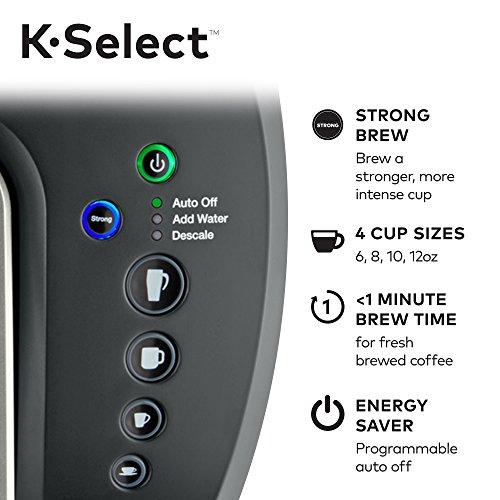
A strong brew setting (found on the K-Elite, K-Mini Plus, and K-Supreme Plus SMART) slows the water flow slightly so it spends more time in contact with the grounds — producing a bolder, more concentrated cup from the same pod. If you like your coffee strong, this feature is worth prioritizing. Temperature control is rarer and more impactful than most buyers realize: light roasts extract better at slightly lower temperatures (around 195°F), while darker roasts can handle the full 205°F. The K-Elite is the only machine on this list that lets you adjust brewing temperature, which alone justifies its price bump over the K-Classic for flavor-conscious buyers.
Programmable Timer and Auto-Off

A programmable timer lets you set a brew time in advance so coffee starts brewing automatically — useful if your morning schedule is tight and predictable. The Cuisinart SS-10P1 handles this well. The K-Supreme Plus SMART and Instant Solo WIFI Connect take a different approach: app-based remote triggering, which is more flexible but requires your phone. Auto-off (found on the K-Classic and others) is a separate, simpler feature — the machine shuts down after a period of inactivity to save power. Both are worth having, but they solve different problems. Decide which one fits your actual routine.
Reservoir Size and Water Management
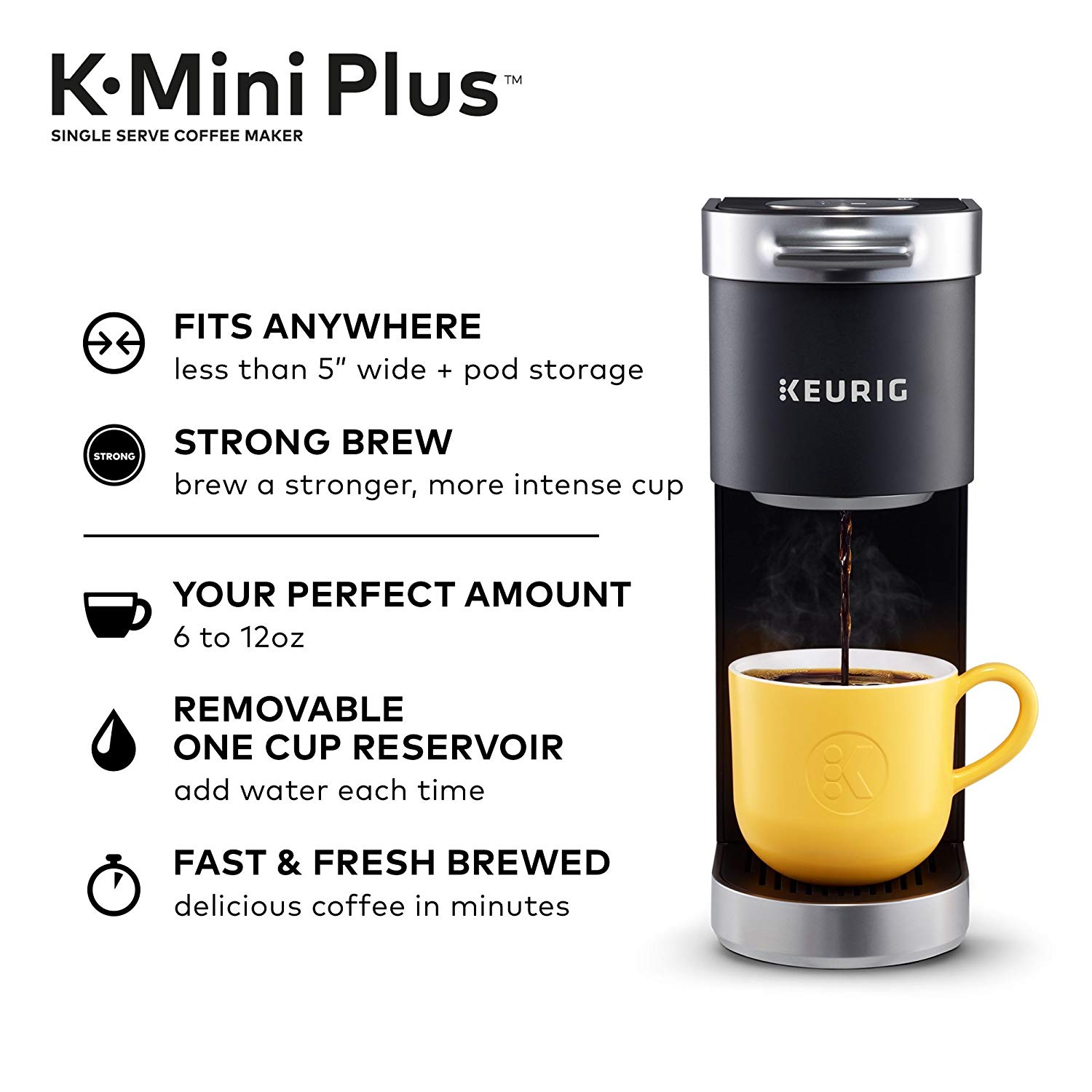
The larger the reservoir, the less often you're stopping to refill. Solo drinkers can get away with 40–48 oz. Two-person households will appreciate 72–78 oz. The K-Mini Plus uses a per-cup fill system — you add water each time — which keeps the machine tiny but adds a daily chore. All the reservoir-equipped machines here use removable tanks, which makes cleaning easier. One thing most buyers overlook: reservoir material matters. If you're concerned about plastics in contact with hot water, check whether the machine uses BPA-free components — our guide on BPA-free coffee makers breaks down what to look for in more detail.
Price, Size, and Long-Term Costs
Machine price is just the upfront cost. The real ongoing cost is pods. K-Cup pods typically run $0.40–$1.00 per cup depending on the brand — significantly more than brewing from ground coffee. If you drink two cups a day, that adds up to $300–$700 per year in pods alone. Machines that support reusable filter cups (the Cuisinart SS-10P1 includes one; others accept universal reusable pods sold separately) dramatically cut that long-term cost. On footprint: measure your available counter space before buying. The K-Mini Plus needs under 5 inches of width; the FlexBrew Trio needs considerably more. Neither is negotiable once the machine is sitting on your counter.

Frequently Asked Questions
What is the difference between K-Cup pods and using ground coffee in a single-serve machine?
K-Cup pods are pre-measured, sealed portions of ground coffee in a plastic cup — convenient, consistent, and available in hundreds of varieties. Ground coffee requires a reusable filter basket (sold separately or included with some machines), which you fill yourself before each brew. Ground coffee is significantly cheaper per cup and lets you use any bean or roast you prefer. Pods are faster and cleaner. Many machines now support both, giving you the flexibility to choose based on the day and what you have on hand.
How often do I need to descale a single-serve coffee maker?
Most manufacturers recommend descaling every three to six months, depending on how hard your water is and how often you brew. Descaling removes mineral buildup (called scale or limescale) from the internal water lines and heating element — buildup slows brew speed, reduces temperature accuracy, and eventually damages the machine. Most machines have a descale indicator light. If yours doesn't, mark your calendar every 90 days as a default. Use a descaling solution designed for coffee makers, not vinegar alone — vinegar can leave a residual taste that's hard to flush out completely.
Are single-serve coffee makers worth it compared to a drip machine?
It depends entirely on your household size and how you drink coffee. If you drink different roasts or flavors from day to day, live alone, or hate wasting half a pot of coffee, a single-serve machine is genuinely more practical. If you drink the same coffee every morning and make three or more cups at a time, a standard drip machine is cheaper per cup and often produces a better-tasting brew. The per-cup cost of pods is the biggest drawback of single-serve — factor that into your long-term calculation, not just the machine price.
Can I use off-brand or generic K-Cup pods in these machines?
Yes — all the Keurig machines reviewed here and the Cuisinart SS-10P1 accept any standard K-Cup format pod, regardless of brand. You are not locked into official Keurig pods. The exception is the K-Supreme Plus SMART's BrewID feature, which auto-adjusts settings based on pod barcodes — that feature only activates with labeled, compatible pods. With generic or unbranded pods, the machine still brews normally; it just uses default settings instead of the optimized profile.
What brew sizes do most single-serve machines support?
The most common sizes are 6, 8, and 10 oz — present on every machine in this review. The K-Elite adds 4 oz (for a very strong, espresso-like cup) and 12 oz (for a large travel mug). The Instant Solo WIFI starts at 8 oz and goes up to 12 oz. If you frequently use a large travel mug, check that the machine you're buying supports 12 oz before purchasing — not all of them do, and brewing an 8 oz pod into a 20 oz mug just produces weak, diluted coffee.
How long do single-serve coffee makers typically last?
With regular cleaning and descaling, a quality single-serve machine should last four to seven years under daily use. Keurig machines have a strong track record for longevity when maintained properly. The most common failure points are the needle (which punctures pods and can clog with coffee grounds) and scale buildup in the water lines. Both are preventable with routine maintenance. Running a water-only brew cycle periodically and cleaning the pod needle with a paper clip or the included cleaning tool every few weeks keeps most machines running well beyond their warranty period.
Buy on Walmart
- Keurig K-Elite Single Serve K-Cup Pod Coffee Maker, with Str — Walmart Link
- Keurig K-Mini Plus Single Serve K-Cup Pod Coffee Maker, with — Walmart Link
- Keurig K-Supreme Plus SMART Coffee Maker, Single Serve K-Cup — Walmart Link
- Hamilton Beach FlexBrew Trio 2-Way Coffee Maker, Compatible — Walmart Link
- Cuisinart Coffee Maker, Single Serve 72-Ounce Reservoir Pod — Walmart Link
- Keurig K-Classic Single Serve K-Cup Pod Coffee Maker, with 3 — Walmart Link
- Instant Solo WIFI Connect Single Serve Coffee Maker, From th — Walmart Link
Buy on eBay
- Keurig K-Elite Single Serve K-Cup Pod Coffee Maker, with Str — eBay Link
- Keurig K-Mini Plus Single Serve K-Cup Pod Coffee Maker, with — eBay Link
- Keurig K-Supreme Plus SMART Coffee Maker, Single Serve K-Cup — eBay Link
- Hamilton Beach FlexBrew Trio 2-Way Coffee Maker, Compatible — eBay Link
- Cuisinart Coffee Maker, Single Serve 72-Ounce Reservoir Pod — eBay Link
- Keurig K-Classic Single Serve K-Cup Pod Coffee Maker, with 3 — eBay Link
- Instant Solo WIFI Connect Single Serve Coffee Maker, From th — eBay Link
Next Steps
- Check the current price on Amazon for your top pick — prices on these machines shift frequently, and the gap between the K-Classic and K-Elite sometimes narrows enough to make the upgrade obvious.
- Measure your available counter space before ordering — specifically the width for the K-Mini Plus (under 5 inches) and height clearance for machines with tall reservoirs.
- Decide whether you'll use pods, ground coffee, or both — if you plan to use ground coffee regularly, confirm the machine includes or accepts a reusable filter basket before you buy.
- If you're coming from a drip setup, calculate your per-cup pod cost over 12 months and compare it to what you currently spend on ground coffee — the difference is often larger than expected and should factor into your budget.
- Read the descaling instructions for whichever machine you choose before your first brew — setting a maintenance reminder on day one is the single best thing you can do to extend the machine's life.


About Bryan Albuquerque
Bryan Albuquerque has been passionate about coffee for over a decade, developing hands-on experience with a wide range of home brewing equipment and grinding methods through years of daily practice and systematic testing. His focus is on the grinder side of coffee — burr geometry, grind consistency, retention, and how equipment choices affect extraction across different brewing methods. At KnowYourGrinder, he covers coffee grinder reviews, grind settings guides, and brewing advice for home baristas looking to improve their cup quality.
Get FREE Coffee Gifts now. Or latest free grinders from our best collections.
Disable Ad block to get all the secrets. Once done, hit any button below