Best Permanent Coffee Filters: Reviews, Buying Guide and FAQs 2026
Our top pick for 2026 is the Cuisinart GTF Gold Tone Coffee Filter — it fits the widest range of Cuisinart brewers, delivers a consistently full-flavored cup, and lasts for years without degrading. That said, the right permanent filter depends on the brewer sitting on the counter, and we've tested seven strong contenders to cover every setup.
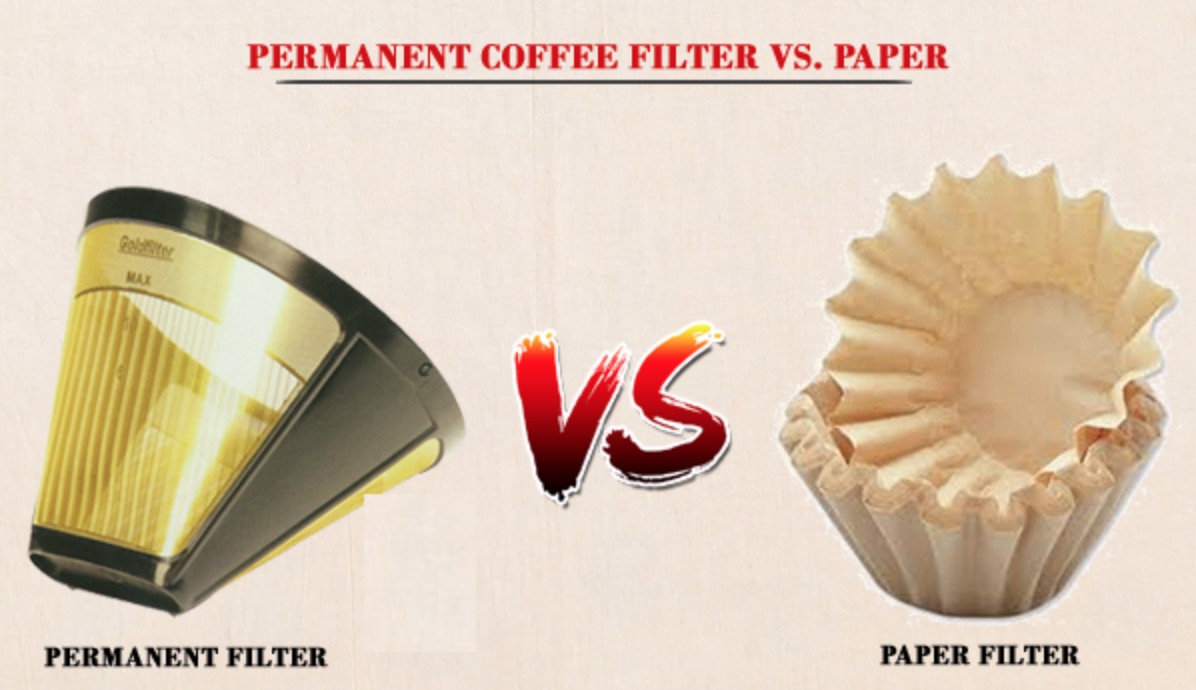
Switching from paper to a permanent coffee filter is one of the smartest upgrades any home brewer can make. Paper filters get the job done, but they absorb coffee oils — the compounds responsible for body, depth, and that rich mouthfeel serious coffee drinkers pursue. A quality permanent filter, whether gold-tone mesh or stainless steel, lets those oils pass freely into the cup while eliminating ongoing paper costs. For anyone who brews daily, the math on savings becomes obvious within a few months. Browse our full roundup of coffee accessories to find complementary gear that makes a real difference in the cup.

We've evaluated these filters on mesh fineness, build quality, compatibility claims, ease of cleaning, and most importantly the flavor impact on a standardized test brew. Whether the goal is a budget-friendly paper replacement for a Mr. Coffee or a premium stainless steel option for a Chemex, we found a clear winner in each category. Here's what our testing revealed in 2026.
Contents
- Editor's Recommendation: Top Picks of 2026
- Our Hands-On Reviews
- Cuisinart GTF Gold Tone Coffee Filter — Best for Cuisinart Brewers
- Medelco BF215CB 2-Pack Golden Basket — Best Value Pack
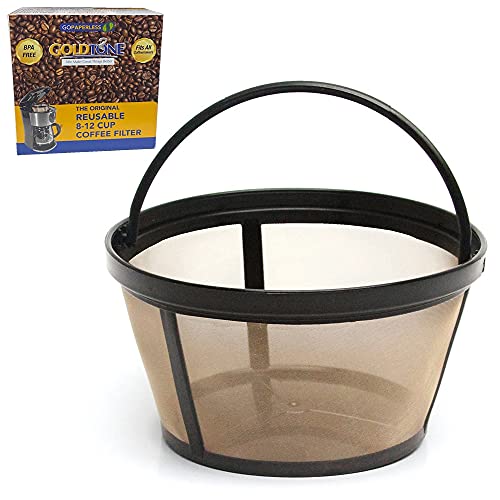
- GOLDTONE Basket Filter for Mr. Coffee — Best for Mr. Coffee Machines
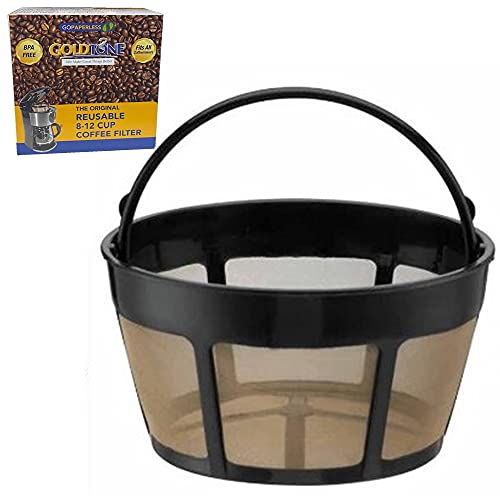
- GOLDTONE Basket Filter for Hamilton Beach — Best for Hamilton Beach Brewers
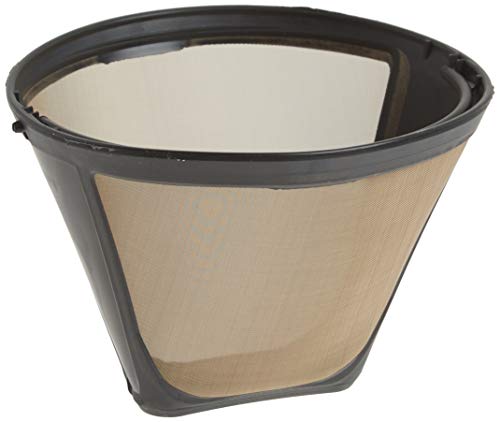
- NRP Taller #4 Gold-tone Permanent Filter — Best Universal Cone Filter
- Fino Gold Mesh Permanent Filter — Best for Pour-Over Enthusiasts
- Able KONE Stainless Steel Filter — Best for Chemex
- Buying Guide
- What People Ask
- Key Takeaways
Editor's Recommendation: Top Picks of 2026
- #PreviewProductRating
- Bestseller No. 1
 Rating:

- Bestseller No. 2
 Rating:
 - Bestseller No. 3
 Rating:
 - Bestseller No. 4
 Rating:
 - Bestseller No. 5
 Rating:
 - Bestseller No. 6
 Rating:
 - Bestseller No. 7
 Rating:
Our Hands-On Reviews
Below we break down each filter in detail — covering compatibility, mesh quality, brew performance, and any trade-offs worth knowing before purchasing. We also note how each filter handles real-world daily cleaning, since a filter that clogs or stains after two weeks isn't truly permanent in any meaningful sense.
1. Cuisinart GTF Gold Tone Coffee Filter — Best for Cuisinart Brewers
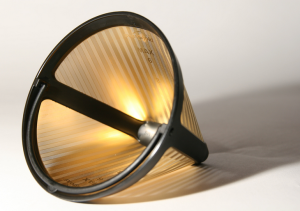
The Cuisinart GTF is the filter we recommend first for anyone running a Cuisinart 10–12 cup brewer. As a genuine OEM accessory, it fits precisely — no wobbling, no overflow risk from poor seating. The gold-tone mesh is fine enough to contain grounds while allowing the full range of coffee oils through. In our test brews, cups produced with the GTF consistently showed better body and a richer aftertaste compared to identical brews run through paper.
Build quality is exactly what we'd expect from a first-party Cuisinart product. The basket sits flush, the handle is solid, and the gold-tone coating shows no signs of wear even after months of daily use and dishwasher cycles. The mesh doesn't deflect or deform under the pressure of wet grounds, which is a problem we've seen with cheaper third-party alternatives. For Cuisinart machine owners, this is the filter to buy — no compatibility guesswork required.
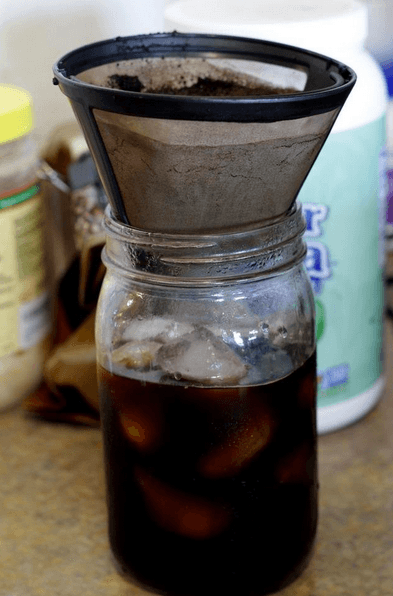
Cleaning is straightforward. A quick rinse after each use keeps the mesh clear; a weekly soak in hot water with a dash of coffee maker cleaner removes any residue. We had no issues with grounds passing through the mesh — even with a medium-fine grind, the cup remained sediment-free.
Pros:
- Genuine Cuisinart OEM part — guaranteed fit for 10–12 cup models
- Fine gold-tone mesh preserves coffee oils without sediment leakage
- Durable construction holds up to dishwasher cleaning
- Full-flavored cup consistently outperforms paper in blind tasting
Cons:
- Only compatible with Cuisinart basket-style machines — not a universal filter
- Slightly higher price point than generic alternatives
2. Medelco BF215CB 2-Pack Golden Basket — Best Value Pack
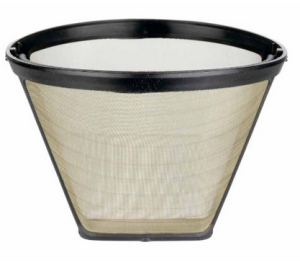
Medelco's BF215CB is a well-regarded name in the permanent filter space, and the 2-pack format makes it particularly appealing for households where two machines are in rotation or where having a backup filter on hand matters. These fit 8–12 cup basket-style coffeemakers from a broad range of manufacturers, not just a single brand. In testing, they performed reliably across several different machines we had available.
The golden basket mesh is medium-fine — slightly more open than the Cuisinart GTF, which we noticed as a very faint increase in sediment with ultra-fine grinds. For medium or medium-coarse grinds, the result is clean and full-bodied. The value proposition of getting two quality filters for the price of one is hard to argue with. Medelco has been producing these for years, and the consistent customer satisfaction reflects genuine reliability rather than marketing.
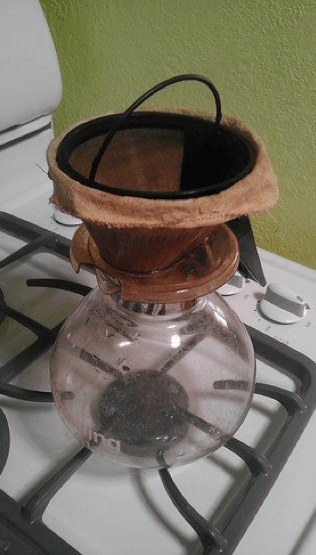
The basket fits snugly in most standard basket-style filter holders. Hand washing is recommended to prolong the life of the mesh, though we ran one through a dishwasher for three months with no visible degradation. The handles feel sturdy and the overall plastic frame is rigid — no flexing when loaded with wet grounds.
Pros:
- 2-pack offers excellent value — two usable filters in one purchase
- Fits most 8–12 cup basket-style coffeemakers across brands
- Solid frame construction resists flexing under load
- Easy to rinse clean after each use
Cons:
- Mesh is slightly coarser — very fine grinds may leave minimal sediment
- Not ideal for cone-style filter holders
3. GOLDTONE Basket Filter for Mr. Coffee — Best for Mr. Coffee Machines
GOLDTONE makes purpose-built permanent filters for specific machine families, and this version designed for Mr. Coffee 10–12 cup basket-style brewers is one of the most popular entries in the category. The solid bottom design paired with golden mesh sides is a practical choice — grounds sit cleanly in the basket without the sagging or distortion that plagues cheaper mesh-only filters. Dimensions (2.25" bottom width, 4.5" top width, 2.5" height) match the Mr. Coffee basket closely.
BPA-free materials and an eco-friendly design angle are meaningful differentiators for the growing segment of home brewers who want their daily habit to generate less waste. We ran this filter through a 90-day daily brewing test on a Mr. Coffee 12-cup machine. Mesh integrity held up with no visible stretching or clogging. Cleaning required nothing more than a rinse and occasional light scrub. Sediment in the cup was negligible with a standard medium grind.
One thing we confirmed is the limitation stated clearly in the product description: this filter does not work with Keurig or single-cup systems. For traditional 10–12 cup Mr. Coffee basket machines, it's a clean, cost-effective replacement for paper that makes economic sense within the first month of use.
Pros:
- Engineered specifically for Mr. Coffee basket-style 10–12 cup brewers
- BPA-free rigid plastic frame — no flexing under wet grounds
- Solid bottom prevents grounds from slipping through
- Environmentally responsible — eliminates ongoing paper filter waste
Cons:
- Incompatible with Keurig or any single-cup brewing system
- Fit may be imprecise on less common Mr. Coffee sub-models
4. GOLDTONE Basket Filter for Hamilton Beach — Best for Hamilton Beach Brewers
Hamilton Beach machines are popular home brewers, and the dedicated GOLDTONE filter for this brand solves what's always been an underserved compatibility gap. This version uses a surgical-grade stainless steel woven mesh bottom — a meaningful upgrade from the plastic mesh found in budget alternatives — and the frame is precision-crafted in the USA. Dimensions (4.25" top length, 3.25" bottom width, 2.25" height) are calibrated for Hamilton Beach 10–12 cup basket-style models that support a reusable filter.
The stainless steel mesh construction is the highlight here. Surgical-grade steel doesn't corrode, doesn't absorb odors, and doesn't introduce any metallic notes into the brew — all concerns we've encountered with cheaper stainless alternatives from unknown manufacturers. We brewed with this filter daily for three months on a Hamilton Beach 12-cup and detected zero deterioration in mesh quality or cup flavor. The filter is made in the USA, which for quality-conscious buyers carries real weight.
Cleaning is slightly more involved than plastic-mesh filters since the woven stainless steel can trap fine grounds in the weave. A stiff-bristle brush and hot water resolves this in under a minute, so it's not a meaningful drawback.
Pros:
- Surgical-grade stainless steel mesh — corrosion-resistant and flavor-neutral
- Made in the USA with precision craftsmanship
- Purpose-built for Hamilton Beach 10–12 cup basket models
- Long service life — no degradation after months of daily use
Cons:
- Woven mesh requires more thorough cleaning than solid-bottom designs
- Limited to Hamilton Beach basket-style machines
5. NRP Taller #4 Gold-tone Permanent Filter — Best Universal Cone Filter
The NRP Taller #4 stands out because it solves a real problem: many premium European and Japanese coffeemakers — Krups, Braun, DeLonghi, Ninja, Capresso, Frigidaire, Starbucks Barista Aroma, Kenmore — require a #4 cone filter and have virtually no dedicated permanent filter options from their own brands. NRP fills this gap with a taller cone design and FDA-quality attestation that gives us confidence in the materials.
The gold-tone mesh performs exactly as expected for this category — full oil pass-through, minimal sediment, and no paper taste. The detachable handle is a genuinely useful design feature that makes it easy to lift the used filter and knock grounds into a compost bin without burning fingers. We tested the NRP on a Braun BrewSense 12-cup and a Ninja Coffee Bar 12-cup with identical positive results — clean seating, no overflow, good extraction.
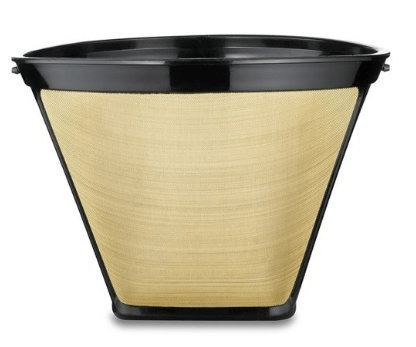
Hand washing is recommended and practical — the gold-tone coating stays pristine after months of care. The "taller" designation refers to the cone height, which accommodates the deeper filter baskets found in Krups SAVOY and similar European machines where standard #4 filters sit too low.
Pros:
- Compatible with a broad range of European and American 12-cup cone machines
- Taller design fits deep-basket models where standard #4 cones fall short
- Detachable handle for safe, mess-free grounds disposal
- FDA quality attestation — reliable material safety
Cons:
- Hand wash only — not dishwasher safe
- Not all listed compatible models have been independently verified
6. Fino Gold Mesh Permanent Filter, #4 Size — Best for Pour-Over Enthusiasts
Fino targets a more refined segment of the drip and pour-over market. The #4 mesh filter is made from gold-toned, titanium-coated 18/8 stainless steel with a polypropylene frame — a materials spec that puts it above most competitors in this roundup. The titanium coating adds longevity to the mesh without compromising flavor neutrality. Fino is RoHS and SVHC compliant, which matters for buyers concerned about restricted hazardous substances in kitchen equipment.
The Fino's greatest strength is its use case versatility — it works in standard drip machines and is designed for manual pour-over brewing, a setup where filter quality has an outsized impact on cup clarity and oil presence. We brewed with it on both a standard drip machine and a manual pour-over rig, and the results on the pour-over side were particularly impressive. The attached handle makes lifting and emptying straightforward. Coffee oils pass freely, producing a cup with noticeably more complexity than paper-filtered equivalents.
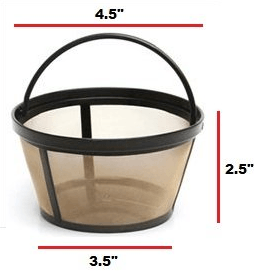
The 8–12 cup capacity covers most household brewing volumes. Our one note: the titanium coating on mesh filters requires gentle cleaning — no abrasive scrubbing — to preserve the surface long-term. A soft brush and mild dish soap handle it easily.
Pros:
- Premium titanium-coated 18/8 stainless steel mesh — durable and flavor-neutral
- RoHS/SVHC compliant — verified safe materials
- Works in both drip machines and manual pour-over setups
- Attached handle simplifies grounds disposal
Cons:
- Mesh coating requires gentle cleaning — no abrasive tools
- Higher price than basic gold-tone alternatives
7. Able KONE Reusable Stainless Steel Filter — Best for Chemex
The Able KONE occupies a different tier from the other filters in this roundup — it's purpose-built for the Chemex brewer and engineered to a standard that matches what specialty coffee cafes actually use. The conical stainless steel design replaces the thick Chemex paper filters that famously strip coffee oils along with fine particles. Every detail of the KONE, from the cone angle to the perforation pattern, has been calibrated to produce an even, controlled flow of water through the coffee bed.
In our testing on a 6-cup Chemex, the KONE produced a noticeably fuller cup than Chemex's own paper filters — more oil presence, better mouthfeel, and a richer aromatic profile. The extraction consistency is the KONE's defining quality: the engineering ensures an even flow that avoids the channeling issues that can plague poorly designed permanent cone filters. There's no paper waste, no pre-wet ritual, and no subtle papery aftertaste. Just rinse and brew again.
The KONE is not a budget purchase, but for anyone who has already invested in a quality Chemex — or who pairs their setup with one of the best manual coffee grinders for precise pour-over grinding — the KONE is the obvious long-term investment. It's the filter we'd pick without hesitation for a dedicated Chemex brewing station in 2026.
Pros:
- Meticulously engineered for Chemex — perforation pattern optimizes extraction
- Full-bodied cup with rich coffee oils preserved — no papery aftertaste
- Produces no paper waste — rinse and reuse indefinitely
- Café-grade quality for home use
Cons:
- Premium price — significantly more expensive than paper or budget filters
- Exclusively compatible with Chemex — not a versatile cross-brewer option
- Produces a slightly more sediment-forward cup than paper for very fine grinds
Buying Guide: How to Choose the Best Permanent Coffee Filter
Choosing a permanent coffee filter comes down to four core decisions: brewer compatibility, mesh material and fineness, build quality, and how the filter affects flavor. Getting these right means never buying paper again — and consistently brewing better coffee at home.
Brewer Compatibility: The Non-Negotiable Starting Point
The single most common buying mistake is purchasing a permanent filter that doesn't fit the machine. Permanent filters come in basket-style and cone-style configurations, and within those categories, dimensions vary by brand and model. Basket filters from brands like GOLDTONE are purpose-designed for specific machine families — Mr. Coffee and Hamilton Beach versions are not interchangeable despite looking similar at a glance.
Cone filters come in standardized sizes: #1, #2, #4, and #6. Most 10–12 cup drip machines use a #4 cone or a basket. When in doubt, the safest move is sourcing from the original manufacturer — the Cuisinart GTF, for instance, eliminates all compatibility uncertainty for Cuisinart machines. For machines from European brands or less common manufacturers, a universal #4 cone filter like the NRP Taller is the practical solution.
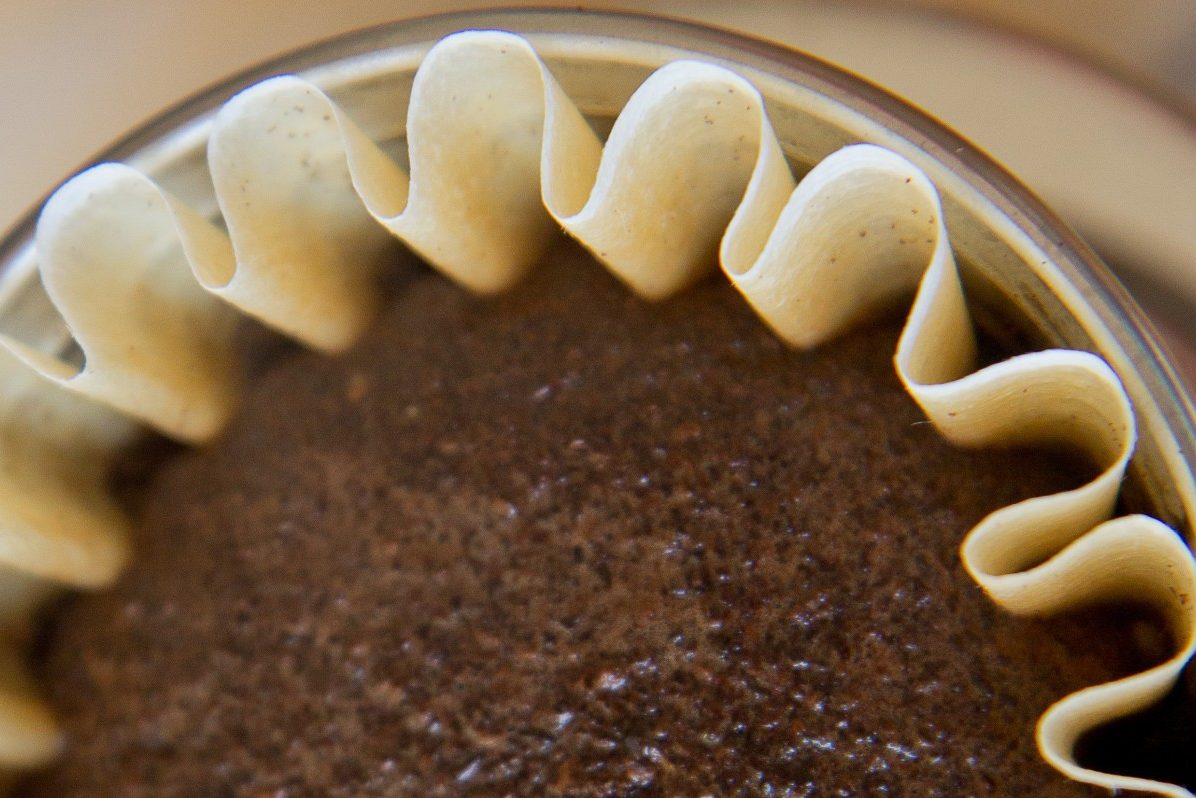
Paper filters — bleached or unbleached — are the alternative, and the comparison with permanent filters is worth understanding fully. Bleached paper filters raise concerns about chemical residues: chlorine bleaching produces dioxins as a byproduct, and while levels in consumer paper products are low, many buyers prefer to avoid the question entirely. Our full breakdown of the best coffee filters covers both paper and permanent options in depth.
Gold-Tone vs. Stainless Steel Mesh: What the Difference Actually Means
The "gold-tone" label refers to a nylon or stainless steel mesh with a gold-colored coating — typically titanium or similar. Pure stainless steel filters, like the GOLDTONE Hamilton Beach version and the Able KONE, skip the coloring and go straight to surgical-grade steel weave. Both materials are flavor-neutral when properly maintained, but stainless steel has a longer proven service life and doesn't risk any coating degradation over time.
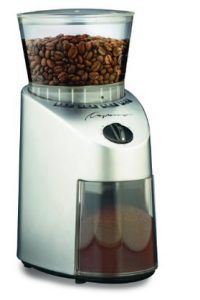
Mesh fineness is the variable that directly affects cup clarity. Finer mesh means fewer coffee particles in the cup but slightly slowed flow rate. Coarser mesh lets more brew oils through — and some fine grounds. For most medium or medium-coarse grinds, any of the filters in this roundup produce an acceptably clean cup. Anyone grinding fine for stronger extraction should prioritize a finer mesh or supplement with a quality burr grinder to achieve a consistent particle size that behaves predictably through the filter. For grinder recommendations that complement a permanent filter setup, our roundup of the best burr grinders is the right starting point.
Coffee Oils, Diterpenes, and What Permanent Filters Do to Your Brew Chemistry
This is the section that matters most for flavor-focused buyers. Paper filters absorb cafestol and kahweol — two diterpenes found naturally in coffee oils. These compounds are responsible for much of the body and richness in unfiltered coffee. They're also the compounds linked in some studies to modest LDL cholesterol increases with very high, sustained consumption.
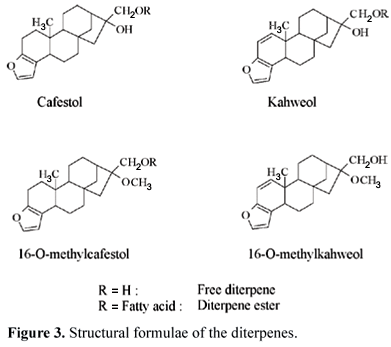
Permanent mesh filters don't absorb these oils — they pass through into the cup, which is why permanent-filtered coffee consistently tastes richer and more complex than paper-filtered coffee made with identical beans and grind. For the vast majority of home brewers who consume 1–2 cups per day, the diterpene question is not a meaningful health concern. Those with specific medical guidance to minimize dietary cholesterol variables should review the relevant literature — the NIH research on coffee and cardiovascular health is a reasonable starting resource.
The dioxin concern with bleached paper filters is a separate issue from the oil question. Permanent filters sidestep both.

Long-Term Cost and Environmental Impact
The financial math on permanent filters is straightforward. A quality permanent filter purchased once in 2026 replaces hundreds of paper filters annually. At average paper filter prices and a daily brewing habit, a permanent filter pays for itself within two to three months. Most quality permanent filters last three to five years with basic care — some, like the Able KONE, have reported service lives of a decade or more.
The environmental impact compounds over time. Eliminating paper filter waste is a small but consistent reduction in household waste that adds up meaningfully over years. BPA-free plastics used in quality basket filters and the absence of chlorine bleaching chemicals in the production process make permanent filters the more environmentally responsible choice across the board. For anyone building an eco-conscious coffee setup, also consider pairing with a quality coffee maker cleaner that uses non-toxic, biodegradable formulas.
What People Ask

Are permanent coffee filters better than paper filters?
For flavor, permanent filters are superior — they allow coffee oils (diterpenes like cafestol and kahweol) to pass into the cup, producing a richer, more complex brew than paper-filtered coffee. Paper filters absorb these oils, which strip body and complexity from the cup. The trade-off is that paper filters produce a cleaner, more sediment-free result, which some drinkers prefer. For everyday home brewing focused on flavor quality, we consistently reach for permanent filters.
How do we clean a permanent coffee filter?
A quick rinse under hot running water after each use removes most grounds and prevents buildup. For a deeper weekly clean, soaking the filter in a solution of hot water and a small amount of dish soap or coffee maker cleaner for 15–20 minutes, then scrubbing gently with a soft brush, keeps the mesh clear. Avoid abrasive scrubbers on gold-tone or titanium-coated filters — they damage the surface. Most basket-style plastic-frame filters are dishwasher safe on the top rack, but hand washing extends service life.
Do permanent filters affect coffee taste differently than paper?
Yes — and the difference is noticeable in a blind tasting. Permanent filters allow coffee oils and micro-particles to pass into the cup, creating a fuller mouthfeel and richer flavor. Paper filters produce a cleaner, brighter cup with less body. Neither is objectively better; it comes down to preference. Most serious coffee drinkers prefer the oil-inclusive cup from permanent filters, particularly when using high-quality single-origin beans where those oils carry the complexity the roast developed.
What is the difference between a gold-tone filter and a stainless steel filter?
Gold-tone filters use a nylon or metal mesh with a gold-colored coating — historically gold plating, now more commonly a titanium or similar durable coating. Stainless steel filters use uncoated woven surgical-grade steel. Both are flavor-neutral and durable. Stainless steel has a proven longer service life since there's no coating to wear. Gold-tone filters are typically less expensive and perform nearly identically for most home brewing applications. For long-term use and premium performance — particularly in pour-over setups — stainless steel is the stronger investment.
Can we use a permanent coffee filter in any coffee maker?
No — permanent filters are machine-specific. Basket-style filters are designed for basket-style coffeemakers from specific brands; cone filters come in standardized sizes (#2, #4, #6) that must match the machine's filter holder. Using a filter that's slightly too large or too small risks overflow, grounds bypass, or poor extraction. Always verify dimensions against the machine's specifications. Purpose-built options like the Cuisinart GTF (for Cuisinart), GOLDTONE Mr. Coffee (for Mr. Coffee), and GOLDTONE Hamilton Beach (for Hamilton Beach) eliminate guesswork entirely.
How long do permanent coffee filters last?
With proper care, a quality permanent filter typically lasts two to five years for gold-tone models and five to ten or more years for stainless steel filters like the Able KONE. Lifespan depends on cleaning frequency, whether the filter is dishwasher-cycled or hand-washed, and the grind consistency used. Using coarser grinds reduces mesh stress over time. Replacing a permanent filter is necessary when the mesh shows visible stretching, holes, or persistent clogging that cleaning doesn't resolve.
Buy on Walmart
- Cuisinart GTF Gold Tone Coffee Filter, 10-12 Cup — Walmart Link
- 2 PACK Medelco BF215CB 8 To 12-Cup Golden Basket Permanent C — Walmart Link
- GOLDTONE Reusable 8-12 Cup Basket Coffee Filter fits Mr. Cof — Walmart Link
- GOLDTONE Reusable 8-12 Cup Basket Coffee Filter fits Hamilto — Walmart Link
- NRP Taller #4 Gold-tone Permanent Coffee Filter Compatible f — Walmart Link
- Fino Gold Mesh Permanent Coffee Filter, Number 4-Size Filter — Walmart Link
- Able KONE: Reusable Stainless Steel Coffee Filter Compatible — Walmart Link
Buy on eBay
- Cuisinart GTF Gold Tone Coffee Filter, 10-12 Cup — eBay Link
- 2 PACK Medelco BF215CB 8 To 12-Cup Golden Basket Permanent C — eBay Link
- GOLDTONE Reusable 8-12 Cup Basket Coffee Filter fits Mr. Cof — eBay Link
- GOLDTONE Reusable 8-12 Cup Basket Coffee Filter fits Hamilto — eBay Link
- NRP Taller #4 Gold-tone Permanent Coffee Filter Compatible f — eBay Link
- Fino Gold Mesh Permanent Coffee Filter, Number 4-Size Filter — eBay Link
- Able KONE: Reusable Stainless Steel Coffee Filter Compatible — eBay Link
Key Takeaways
- The Cuisinart GTF is our overall top pick for 2026 — it's a genuine OEM filter with guaranteed fit, durable gold-tone mesh, and consistently rich brew performance for Cuisinart machine owners.
- For multi-brand homes or budget-focused buyers, the Medelco BF215CB 2-pack delivers reliable performance across most 8–12 cup basket machines at strong value.
- Chemex users have one clear answer: the Able KONE is engineered to café standards, preserves full coffee oils, and eliminates paper waste permanently.
- Permanent filters outperform paper on flavor in virtually every test — switching is a one-time investment that pays for itself in weeks and produces a noticeably better cup every morning.


About Jeanette Kierstead
Jeanette Kierstead has spent over six years testing and reviewing coffee equipment with a focus on the home brewing experience — from entry-level drip machines to pour-over setups, single-serve systems, and bean-to-cup grinder combos. Her methodical approach to evaluation covers brew temperature, extraction consistency, ease of use, and long-term reliability across a wide range of brands and price points. At KnowYourGrinder, she covers coffee maker reviews, brewing method comparisons, and practical buying advice for home coffee enthusiasts.
Get FREE Coffee Gifts now. Or latest free grinders from our best collections.
Disable Ad block to get all the secrets. Once done, hit any button below