If you're weighing aeropress steel vs paper filters, here's the direct answer: paper gives you a cleaner, brighter cup with less body; metal delivers more oils, more weight, and a richer mouthfeel. Your choice should come down to the coffee you're brewing and the cup you want — not which filter is "better" in the abstract. If you're new to the brewer itself, the AeroPress overview covers everything you need before diving into filter specifics.
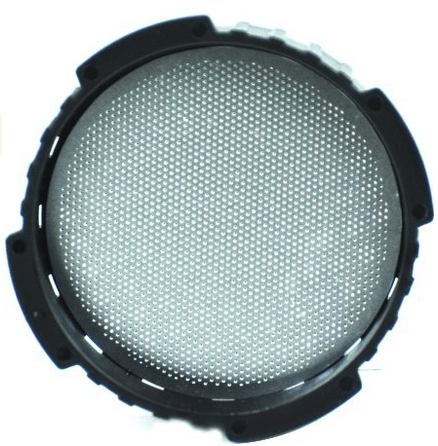
The AeroPress supports multiple filter formats without any modification to the brewer. You swap the filter disc out and the brewing dynamics shift entirely — different body, different clarity, different flavor emphasis. That flexibility is part of what makes the AeroPress one of the most adaptable brewers available, sitting comfortably alongside pour-over and drip methods in any serious home coffee setup.
This guide covers both types in full: how they each work, what they do to flavor, how to maintain them properly, and which situations call for each. By the time you finish reading, you'll know exactly which filter belongs in your next brew.
Contents
Understanding the AeroPress Filter System
The AeroPress was designed by engineer Alan Adler and introduced in 2005. It combines pressure and immersion brewing — a hybrid that sits somewhere between espresso and French press. At the base of the brewing chamber sits a small filter cap, and whatever filter disc you insert there is the last thing your coffee touches before it reaches your cup. That position gives the filter enormous influence over the final result.
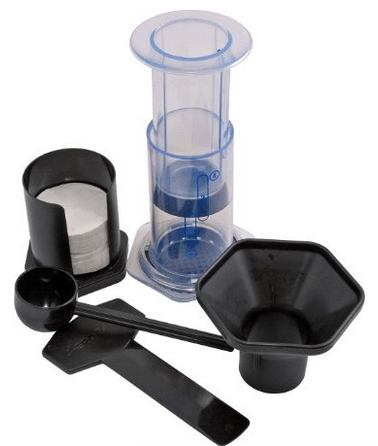
According to the AeroPress Wikipedia entry, the brewer ships with paper micro-filters as standard. That's still true today. But a robust aftermarket has developed around reusable alternatives — laser-cut metal discs, woven stainless mesh, and even dual-layer hybrid options. The filter cap accepts them all without adapters.
Paper Micro-Filters Explained
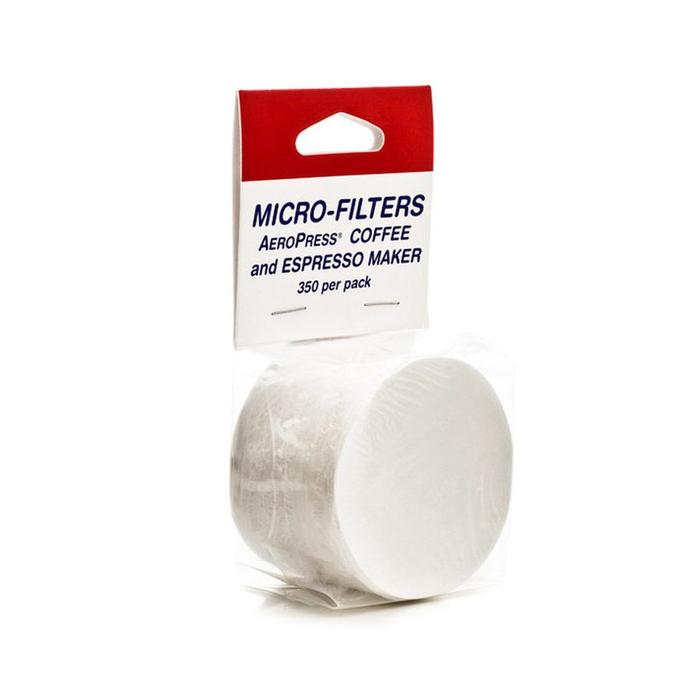
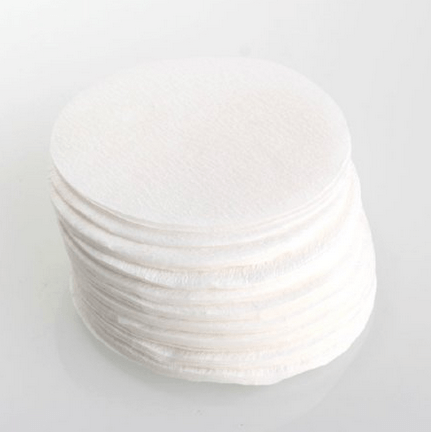
The original AeroPress paper filter is a circular disc roughly 63mm in diameter. Its tightly woven fiber structure traps virtually all suspended particles — fine sediment, grit, and most of the coffee's lipids. What passes through is water, dissolved solids, and flavor compounds. The result is a cup that's clean, transparent, and noticeably lighter in body than you'd get from a French press or Moka pot.
- Pre-rinsing is essential — it eliminates papery taste and pre-heats the filter cap
- Technically single-use, but reusing 2–3 times is fine if rinsed immediately
- Packs of 350 replacement filters cost very little per brew
- Compatible with all AeroPress models: original, Go, and Clear
Metal Disc Filters Explained
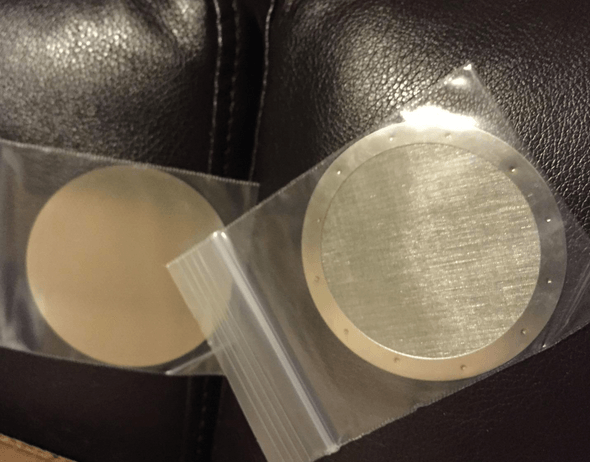
Metal AeroPress filters are photo-etched or laser-cut stainless steel discs that replace the paper entirely. Because their perforations are physically larger than the fiber weave of paper, more of the coffee's oils and micro-fines pass through into the cup. You end up with a heavier body, a richer mouthfeel, and a cup that more closely resembles espresso or French press in texture.
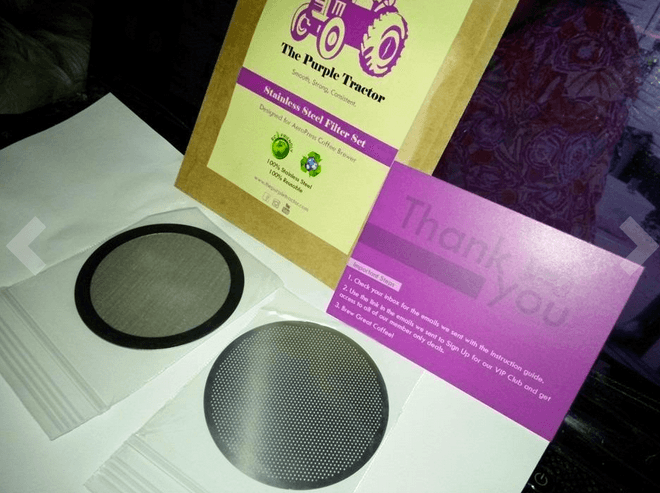
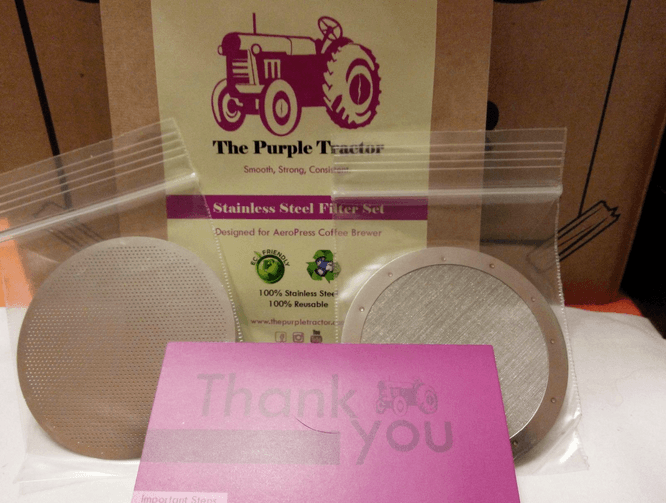
The most respected names in metal AeroPress filters include Able Brewing (DISK Standard and Fine), the Joepresso, and the Purple Tractor series. The Purple Tractor offers two size options — a standard disc and an ultra-fine — suited to different brewing pressures and desired flow rates. All of these are reusable indefinitely with proper care.
Aeropress Steel vs Paper Filters: Head-to-Head
When you compare aeropress steel vs paper filters directly, four factors define the difference: cup clarity, body, cost over time, and how forgiving each type is to brewing errors. Here's how they actually stack up.
At-a-Glance Comparison
| Factor | Paper Filter | Metal Filter |
|---|---|---|
| Cup Clarity | Very high — minimal oils, no sediment | Lower — oils and micro-fines pass through |
| Body & Mouthfeel | Light to medium, clean finish | Full, rich, heavier texture |
| Flavor Emphasis | Acidity, fruit notes, florals | Body, bitterness, roast character |
| Grind Sensitivity | More forgiving of inconsistency | Amplifies grind flaws noticeably |
| Cleanup | Single-use — rinse and toss | Requires rinsing and periodic scrubbing |
| Cost Over Time | Low per-use, ongoing spend | Higher upfront, near-zero ongoing |
| Environmental Impact | Compostable but single-use waste | Reusable — far less long-term waste |
| Best Roast Match | Light roasts, single origins | Medium/dark roasts, full-body blends |
What Each Filter Does to Flavor
This is where the real difference lives. Paper filters trap diterpenes — specifically cafestol and kahweol, the lipid compounds responsible for both richness and certain health concerns. What remains is a cup where origin character dominates: stone fruit, florals, and bright acidity stand out clearly. That transparency is why paper filters are standard in specialty coffee competitions and preferred by most professional cuppers.
Metal filters let those same oils pass through. The cup becomes fuller, rounder, and more textured. If you're working with high-quality single-origin Arabica beans with delicate floral or fruit notes, the added body from a metal filter can actually mask the nuances you paid for. For bold, dark-roasted blends where body and roast character are the point, metal filters are the right call.
Getting the Best Brew from Either Filter
Swapping filter types isn't just a straight substitution — it changes how you should set up the rest of your recipe. Treat each type as its own system and dial it in accordingly.
Paper Filter Best Practices
Paper filters are forgiving, but a few habits separate a mediocre paper-filtered AeroPress from an exceptional one.
- Always pre-rinse the paper disc with hot water before loading your coffee — it removes papery taste and pre-heats the cap
- Use a medium-fine grind — finer than pour-over, coarser than espresso
- Water temperature between 80–90°C works well for lighter roasts; go hotter for darker roasts
- Total brew time of 1–2 minutes is the sweet spot — longer steep with paper doesn't improve extraction meaningfully
- Let coffee drip for 20–30 seconds after adding water before you begin pressing — this pre-extracts the grounds evenly
Paper filters pair particularly well with the inverted AeroPress method. The extended contact time pulls more complexity from the grounds, and the paper filter still delivers a clean, bright finish at the end. You get the best of both worlds: immersion extraction depth with pour-over clarity.
Metal Filter Best Practices
Metal filters demand more precision. They amplify everything — including flaws. Here's what to adjust when switching over:
- Use a coarser grind than you would with paper — this reduces sediment in the cup and prevents over-extraction
- Shorten your total brew time slightly; metal's faster flow rate means less contact time is needed for full extraction
- Rinse the metal disc before each use — residual oils from previous brews will add off-flavors
- Press slowly and steadily — rushing the press creates channeling, where water bypasses part of the coffee bed and extracts unevenly
If your metal-filtered AeroPress consistently tastes bitter, your grind is almost certainly too fine — coarsen by two or three clicks before you change anything else.
Keeping Your Filters Clean and Ready
Paper Filter Care
Paper filters are designed to be single-use, but reusing them 2–3 times is completely reasonable if you rinse immediately after brewing. Set the used filter on the rim of the cap to air dry. Never reuse a filter that dried with coffee oils embedded in it — that bitterness will transfer directly into your next cup.
Storage is straightforward. Keep paper filters in their original packaging in a dry location away from anything with a strong odor. Coffee paper absorbs ambient smells rapidly — a filter sitting next to your spice rack will pick up those flavors and deliver them straight into your brew. Sealed containers or a dry cabinet shelf work well.
Metal Filter Cleaning Routine
Metal filters reward consistent cleaning. Here's the maintenance schedule that keeps them performing correctly:
- Daily: Rinse under hot running water immediately after each brew. Use a soft-bristle brush to clear the perforations — coffee grounds lodge in there and restrict flow if left.
- Weekly: Soak in hot water with a small amount of unscented dish soap for 10–15 minutes, then rinse thoroughly. This handles surface oil buildup.
- Monthly: Deep-clean with Cafiza or a baking soda soak to break down embedded oils that standard rinsing can't reach. Let the filter soak for 20–30 minutes, then scrub and rinse well.
- Ongoing: Inspect the disc edges and perforations regularly. Bent edges break the seal with the filter cap; warped discs allow bypass flow that ruins extraction.
Avoid putting metal filters in the dishwasher unless the manufacturer explicitly states it's safe. High heat and harsh detergent cycles can warp thinner discs and degrade the precision fit that makes these filters work properly.
Advanced Techniques Worth Trying
Stacking and Layering Filters
Two paper filters stacked together produce a noticeably cleaner cup than a single filter — useful when your grind is slightly inconsistent or when you're chasing maximum clarity from a delicate light roast. The trade-off is a slower flow rate and more resistance during the press. Press gently and steadily with a double-stacked setup.
There's also a hybrid method: one metal disc plus one paper filter. The metal disc acts as a pre-filter, catching the coarser grinds and protecting the paper from clogging. The paper handles the fine particles and oils. The result sits between pure metal and pure paper in terms of body and clarity — a legitimate middle ground if you want richer texture without the full sediment of a metal-only brew.
Grind Adjustments by Filter Type
Your grinder matters more with a metal filter than with paper. Paper is forgiving of grind inconsistency because it catches most particles regardless. Metal filters are not forgiving — if your grind produces a wide range of particle sizes, the fine particles will either pass through into your cup or clog the disc and create channeling. A consistent burr grinder solves this entirely.
For travel and outdoor use, paper filters are the practical choice. You don't risk losing or bending a metal disc on the road, and there's no cleaning involved. If you take your AeroPress camping, pack a small stack of paper filters in a zip-lock bag and you have everything you need without adding gear weight or worry.
Fixing Common Filter Problems
Slow or Stuck Press
If your AeroPress is nearly impossible to press down, the filter is clogged. With paper filters, the most common cause is a grind that's too fine — the dense coffee bed creates a seal that water can't pass through at a reasonable rate. With metal filters, the perforations may be blocked by accumulated coffee oils or fine sediment from a grind that's too coarse in the wrong direction.
- Paper filter clogged: Coarsen your grind by 2–3 clicks on your burr grinder. Also confirm you're not packing the coffee bed too tightly before adding water.
- Metal filter clogged mid-brew: Ease pressure, wait 10 seconds, then press slowly. If it recurs, do a deep clean before the next session.
- Both types: Check your dose. Too much coffee packed too densely creates resistance regardless of filter material.
Bitter or Sour Cup
Filter type shapes extraction differently, and diagnosing off-flavors requires knowing which filter you used. With paper filters, a sour or thin cup usually means under-extraction — try a finer grind or a slightly longer steep. With metal filters, persistent bitterness almost always means over-extraction — coarsen your grind or reduce brew time first.
If you've adjusted both grind and time and still can't nail the cup, your water may be the culprit. Hard water and very soft water both affect extraction rate and flavor balance in ways that filter type alone can't fix. This guide on what water works best for coffee goes into the specifics.

Filter Myths You Should Stop Believing
The Health Scare Myth
You've probably read that metal filters are dangerous because they let coffee oils into your cup. This claim is overblown. The concern around cafestol and kahweol raising LDL cholesterol is real and documented — but the effect requires consistent, high-volume consumption of unfiltered coffee over an extended period. A single daily AeroPress cup through a metal filter is unlikely to produce a measurable change in cholesterol for most healthy adults. If you drink multiple cups daily and have cardiovascular risk factors, paper is the sensible call. If you're otherwise healthy and in good shape, don't let a vague health claim override your preference for a richer cup.
The "One Is Always Better" Myth
Specialty coffee culture often defaults to paper as the superior filter for flavor transparency. That's valid for light-roasted single origins where you're chasing fruit and floral notes — paper filters genuinely showcase those qualities better. But metal filters produce a demonstrably better cup with full-body dark roasts where weight and richness are the whole point. Declaring one filter universally superior ignores the fact that different coffees have different goals.
The real move is to own both filter types and use them intentionally. Pull out the paper filter when you're brewing a Kenya or an Ethiopian natural where you want every floral note to cut through cleanly. Switch to metal when you're making a bold morning brew from a dark-roasted blend and you want something that feels substantial in the cup. That's how experienced AeroPress brewers actually work — not by picking a side, but by matching the tool to the coffee.
The filter you use isn't about loyalty — it's about reading what your coffee needs and giving it that.


About Bryan Albuquerque
Bryan Albuquerque has been passionate about coffee for over a decade, developing hands-on experience with a wide range of home brewing equipment and grinding methods through years of daily practice and systematic testing. His focus is on the grinder side of coffee — burr geometry, grind consistency, retention, and how equipment choices affect extraction across different brewing methods. At KnowYourGrinder, he covers coffee grinder reviews, grind settings guides, and brewing advice for home baristas looking to improve their cup quality.
Get FREE Coffee Gifts now. Or latest free grinders from our best collections.
Disable Ad block to get all the secrets. Once done, hit any button below