Best Arabica Coffee Beans in the World: Reviews, Buying Guide and FAQs 2026
You're standing in the coffee aisle — or, more likely, scrolling through Amazon at 11 p.m. — staring at a wall of bags all shouting "100% Arabica" like it's the only thing that matters. They can't all be equal. The truth is, they're not, and knowing the difference between a genuinely great bag and a mediocre one can completely change your morning.
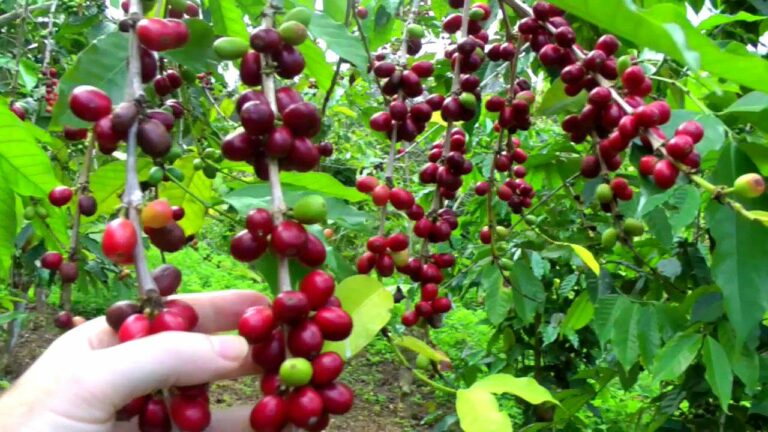
Arabica beans (Coffea arabica — the species behind roughly 60% of global coffee production) are the benchmark for specialty coffee worldwide. Compared to the other major species, Robusta, Arabica delivers more complex flavor, natural sweetness, and noticeably lower bitterness. But "Arabica" on the label is just the starting point. Roast level, country of origin, freshness, and processing method all determine whether the cup in your hand is something special or something you finish out of habit. You can explore the full range of coffee bean types and roasts to understand where Arabica fits in the bigger picture.
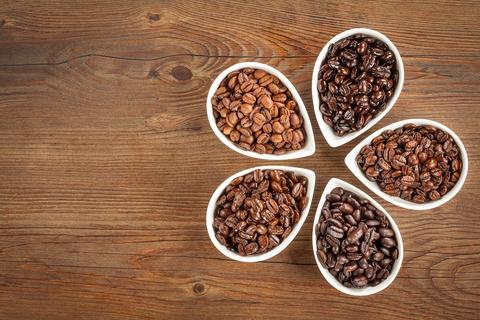
In this 2026 guide, we've reviewed seven of the best Arabica whole bean coffees available on Amazon right now — from Italian classics to bold dark roasts to bright, fruit-forward light roasts. Whether you're brewing espresso, French press, or pour-over, there's a bag on this list that fits your palate. We'll cover our top picks, then walk you through a practical buying guide and answer the most common questions we hear from home brewers.
Contents
- Best Choices for 2026
- Our Hands-On Reviews
- Illy Classico Whole Bean — Best Italian Arabica
- Stumptown Hair Bender — Best Specialty Blend
- Intelligentsia House Blend — Best Light Roast
- Don Francisco's Colombia Supremo — Best Budget Pick
- Mayorga Cubano Roast — Best Organic Dark Roast
- Subtle Earth Organic — Best Medium-Dark Roast
- Peet's French Roast — Best Bold Dark Roast
- Buying Guide
- FAQs
- Final Thoughts
Best Choices for 2026
- #PreviewProductRating
- Bestseller No. 1
 Rating:

- Bestseller No. 2
 Rating:
 - Bestseller No. 3
 Intelligentsia Coffee, Light Roast Whole Bean Coffee, 100% Arabica Coffee - House Blend 12 Ounce BagRating:
 - Bestseller No. 4
 Rating:
 - Bestseller No. 5
 Rating:
 - Bestseller No. 6
 Rating:
 - Bestseller No. 7
 Rating:
Our Hands-On Reviews
Below you'll find in-depth reviews of all seven picks. Each one was evaluated for flavor complexity, aroma, freshness packaging, and value per ounce. We've covered a range of roast levels and price points so you can find exactly what fits your brewing setup and budget in 2026.

1. Illy Classico Whole Bean Coffee — Best Italian Arabica
Illy is one of the most recognized names in Italian espresso culture, and the Classico Whole Bean lives up to that reputation. This medium roast blends nine Arabica varieties sourced from Brazil, Central America, India, and Africa — a proprietary mix that Illy has refined over decades. The result is a cup with a beautifully balanced profile: notes of caramel, orange blossom, and jasmine that come through whether you're pulling a shot of espresso or brewing a simple drip. The aroma alone is enough to make you look forward to waking up.
What sets Illy apart from the crowd is its pressurized can. Rather than a standard bag with a one-way valve, the coffee is sealed in a nitrogen-pressurized steel can, which locks in freshness far more effectively. There are no preservatives involved — just pressure and precision. You won't find any staleness or flat flavor even if you buy a few cans at once. For home espresso brewers especially, this is a serious advantage. The grind consistency you can achieve from these whole beans pairs exceptionally well with an espresso machine, though it also brews beautifully through a moka pot or French press.
At 8.8 ounces per can, it's a smaller quantity than most of the bags on this list, which means you'll pay a premium per ounce. But if you treat your morning espresso as a ritual rather than just a caffeine delivery mechanism, Illy Classico is worth every cent. This is the pick for anyone who wants a taste of authentic Italian café culture at home.
Pros:
- Pressurized can preserves freshness exceptionally well
- Complex, balanced flavor with caramel and floral notes
- No preservatives — purity you can taste
- Excellent for espresso, moka pot, and drip
Cons:
- Higher cost per ounce than most competitors
- Smaller quantity (8.8 oz) means more frequent repurchasing
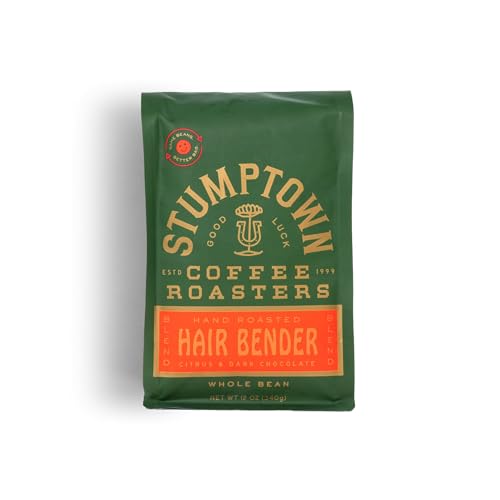
2. Stumptown Coffee Roasters Hair Bender — Best Specialty Blend
If there's one blend that put Stumptown on the specialty coffee map, it's Hair Bender. This medium roast pulls beans from Latin America, Indonesia, and Africa to build a flavor profile that manages to be both complex and approachable. You'll find notes of sweet citrus, dark chocolate, and raisin — a combination that sounds unusual but works brilliantly in the cup. The name is a bit cheeky, but the coffee itself is dead serious. Hair Bender has earned a loyal following among home brewers and professional baristas alike, and after spending time with a 12-ounce bag, it's easy to understand why.
The medium roast level means you're getting the full benefit of those varied origins without losing them to heavy roasting. The citrus notes are particularly clean and bright when brewed as a pour-over or Aeropress, while the dark chocolate undertones come forward beautifully in a French press. If you're new to specialty coffee and wondering what the fuss is about, Hair Bender is an excellent introduction. It's versatile enough to work across almost any brew method, which makes it a practical choice as your everyday bag.
Stumptown packages Hair Bender in a resealable bag with a one-way degassing valve (which lets CO2 escape without letting oxygen in — critical for maintaining freshness post-roast). The 12-ounce size is a reasonable quantity for a two-week supply if you're brewing one or two cups daily. For grind consistency that does justice to these beans, check out our guide to the best burr coffee grinders under $200.
Pros:
- Genuinely complex multi-origin flavor profile
- Works beautifully across pour-over, French press, and espresso
- Resealable bag with degassing valve for freshness
- Consistent quality batch to batch
Cons:
- Premium price point for a 12-oz bag
- Citrus notes may not appeal to those who prefer earthy, traditional flavors
3. Intelligentsia Coffee House Blend — Best Light Roast
Intelligentsia is one of the founding names in the third-wave coffee movement, and their House Blend is built around a simple but ambitious goal: showcase the natural sweetness and fruit flavors that top-tier Arabica beans produce. This light roast delivers on that promise. Caramel and red apple are the dominant tasting notes, presented with what Intelligentsia calls "high definition clarity" — and that's not marketing language, it's an accurate description of the clean, precise flavor experience in the cup. If you've only ever drunk dark roasts, a sip of this will genuinely surprise you.
The light roast means more of the bean's natural origin character is preserved — you're tasting the terroir (the combination of soil, climate, and altitude where the beans were grown) more directly than with a darker roast. Intelligentsia sources through direct trade relationships with their farm partners, cutting out middlemen and ensuring higher quality control and better pay for growers. For coffee drinkers who care about where their cup comes from, this matters. It also tends to translate into better and more consistent flavor.
This is a pour-over bean above all else. The fruity, bright profile really opens up with a Chemex or V60. It's also excellent as a drip brew. If you brew it as espresso, expect a tart, acidic shot — which some love and some don't. Stick to filter methods for the most rewarding experience. At 12 ounces, the bag is a solid size for exploring a light roast if you're not sure it's your style.
Pros:
- Exceptional fruit-forward clarity — caramel and red apple notes
- Direct trade sourcing supports farmers and delivers better quality
- Perfect for pour-over and drip brewing
- Clean, bright finish with no bitterness
Cons:
- Not ideal for espresso unless you enjoy high-acidity shots
- Premium price; smaller quantity
4. Don Francisco's 100% Colombia Supremo — Best Budget Pick
Not everyone wants to spend $20 for a 12-ounce bag of specialty coffee, and that's completely reasonable. Don Francisco's Colombia Supremo gives you a genuine single-origin Arabica experience at a price that doesn't make you wince. The beans are sourced from Colombia — one of the world's most respected Arabica-producing countries — and roasted to a medium level that brings out a smooth, well-balanced cup with a sweet floral aroma and mild winey notes. It's not flashy, but it's reliably good, which is exactly what you want in an everyday coffee.
The "Supremo" designation in Colombian coffee refers to beans that are larger than standard screen size 17 — it's a size-grading term, not a quality classification, but in practice Supremo beans tend to roast more evenly and consistently. The 20-ounce bag is generous for the price, and the one-way valve with nitrogen flushing keeps things fresher than a standard sealed bag. Whether you're running it through a drip machine, a pour-over, a French press, or a moka pot, this coffee performs reliably across all of them.
If you're transitioning from pre-ground supermarket coffee to whole bean for the first time, Don Francisco's Colombia Supremo is the ideal entry point. You'll immediately notice the improvement in flavor and aroma versus pre-ground, without the sticker shock that specialty roasters sometimes carry. A solid burr grinder — even a budget one — will make a noticeable difference with these beans. Read our blade vs. burr grinder comparison if you're deciding how to grind them.
Pros:
- Excellent value — large bag at an approachable price
- Smooth, balanced flavor ideal for everyday drinking
- Nitrogen-flushed packaging for freshness
- Versatile across multiple brew methods
Cons:
- Less complex than specialty roasters at higher price points
- Winey notes may be subtle to less experienced palates
5. Mayorga Cubano Roast 5lb — Best Organic Dark Roast
If you like your coffee dark, bold, and unapologetically intense — but you also care about where it comes from and how it's grown — Mayorga's Cubano Roast is one of the best options on the market in 2026. This is an organic, direct-trade blend sourced from small farms in Peru, Honduras, and Nicaragua, slow-roasted in small batches using a traditional Latin technique that draws out deep, rich flavors without tipping into harsh bitterness. The tasting notes — sweet vanilla, syrupy smokiness, and a smooth bold finish — are accurate and immediately recognizable in the cup. This is a serious dark roast done right.
The 5-pound bag is the headline feature for many buyers. If you go through coffee quickly — either because you brew a lot or because you share it with family or a household — the per-ounce cost here is hard to beat for a certified organic, specialty-grade product. Mayorga is roasted in Rockville, Maryland, which means shorter time from roast to your door compared to imported European brands. The USDA Organic and Non-GMO certifications are verified, not just marketing claims.
Low acidity is another major selling point. If you've noticed that dark roasts sometimes cause stomach discomfort, the Cubano Roast's slow-roasting method reduces the acidic compounds while preserving the bold flavor you want. It brews beautifully as espresso, French press, and cold brew — all methods where a dark roast's depth really shines. The 5-pound quantity does mean you need to store it properly (an airtight container away from light and heat) to maintain freshness over a few weeks.
Pros:
- USDA Organic, Non-GMO certified; direct trade sourcing
- Low acidity — easier on sensitive stomachs
- Exceptional value for 5 pounds of specialty-grade coffee
- Bold, rich flavor with vanilla and smoky notes
Cons:
- 5-pound quantity requires proper storage to stay fresh
- Dark roast may overwhelm delicate flavor notes for light-roast fans
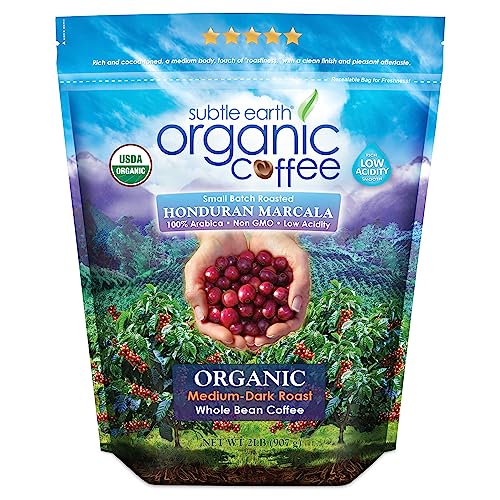
6. Subtle Earth Organic Coffee — Best Medium-Dark Roast
Subtle Earth Organic from Cafe Don Pablo hits a sweet spot that a lot of coffee drinkers spend years looking for: the depth of a dark roast with enough nuance to keep things interesting. This medium-dark roast is made from 100% Arabica beans that are certified organic and Non-GMO — and at 2 pounds per bag, you're getting meaningful quantity at a competitive price. Low acidity and a smooth, clean finish are the defining characteristics here, which makes this an especially good choice if you've found that darker roasts tend to upset your stomach.
The flavor profile is more restrained than the Mayorga Cubano — less smoke, less intensity — but that restraint is the point. You get a rich, chocolatey body with just enough sweetness to avoid the harsh, char-forward quality that cheaper dark roasts can fall into. It's forgiving across brew methods: drip machines, French press, and espresso all produce satisfying results. If you share your coffee with someone who prefers medium roasts while you lean dark, Subtle Earth is a reliable compromise pick that neither of you will complain about.
The resealable bag keeps things fresh between uses, and the 2-pound quantity is the right size for most households — enough to last two to three weeks without going stale. One note: while this coffee is labeled organic, always check for current certification status when purchasing, as sourcing partnerships can change. Based on availability and consistent reviews from buyers in 2026, it remains one of the most trusted organic whole-bean options in its price tier.
Pros:
- Low acidity makes it easier on sensitive stomachs
- Organic and Non-GMO certified
- Good value for 2 pounds of quality whole bean
- Works well across multiple brew methods
Cons:
- Flavor profile is somewhat understated — less complex than premium blends
- Limited tasting note detail on packaging
7. Peet's Coffee French Roast — Best Bold Dark Roast
Peet's Coffee has been roasting since 1966, and their French Roast is the product that defined what a dark roast could taste like for a generation of American coffee drinkers. This is a short, intense roast — Peet's is clear about that — which produces a bold, smoky cup with notes of chocolate truffle, caramel, and smoke. Not every Arabica bean can handle the heat required for a true French roast without turning into a bitter, ashy mess. Peet's selects beans specifically capable of surviving that intensity, and the result is a dark roast with depth rather than just darkness.
At 18 ounces, this is a solid bag size for a committed dark-roast household. The flavor is intense and rich, built for people who want their coffee to announce itself. It brews especially well as espresso — the smoky, chocolatey notes integrate beautifully with milk in a latte or cappuccino. It's also excellent as a French press or cold brew, where the extended extraction time pulls out every layer of that dark, syrupy body. If you're interested in getting the most out of a French press with beans like these, our complete French press brewing guide will walk you through the process step by step.
One honest note: if you're new to dark roasts or usually drink medium-roast coffee, Peet's French Roast will feel like a significant jump in intensity. That's not a criticism — it's a description. This is a coffee for people who know exactly what they want, and what they want is bold. If you're that person, this delivers without compromise every single time.
Pros:
- Iconic dark roast with genuine depth — not just bitterness
- Excellent for espresso, French press, and cold brew
- 18-oz bag is generous for the price
- Consistent quality from a roaster with decades of expertise
Cons:
- Too intense for light or medium roast drinkers
- Smoke-forward profile isn't versatile across all palates
Buying Guide: How to Choose the Best Arabica Coffee Beans
With so many options labeled "100% Arabica," knowing what to actually look for separates a great purchase from a disappointing one. Here are the four factors that matter most when you're shopping for whole bean Arabica coffee.
Roast Level: The Biggest Flavor Decision You'll Make
Roast level shapes your coffee more than almost any other variable. Light roasts preserve the bean's natural origin flavors — fruit, floral notes, acidity — but deliver less body and less bitterness. Medium roasts balance origin character with roast-developed flavors like caramel and chocolate. Dark roasts push into bold, smoky, chocolatey territory and minimize origin-specific nuance. No roast level is objectively better; it depends entirely on what you enjoy drinking.
Here's a quick guide to matching roast to brew method:
- Light roast → Pour-over, Chemex, Aeropress (bright, fruity, clean)
- Medium roast → Drip, French press, moka pot (balanced, versatile)
- Dark roast → Espresso, cold brew, French press (bold, rich, low acidity)
Origin: Where the Beans Come From Changes Everything
Single-origin coffees come from one country or region and let you taste the specific character of that place. Blends combine beans from multiple origins to achieve balance and consistency. Neither is superior — they serve different purposes.
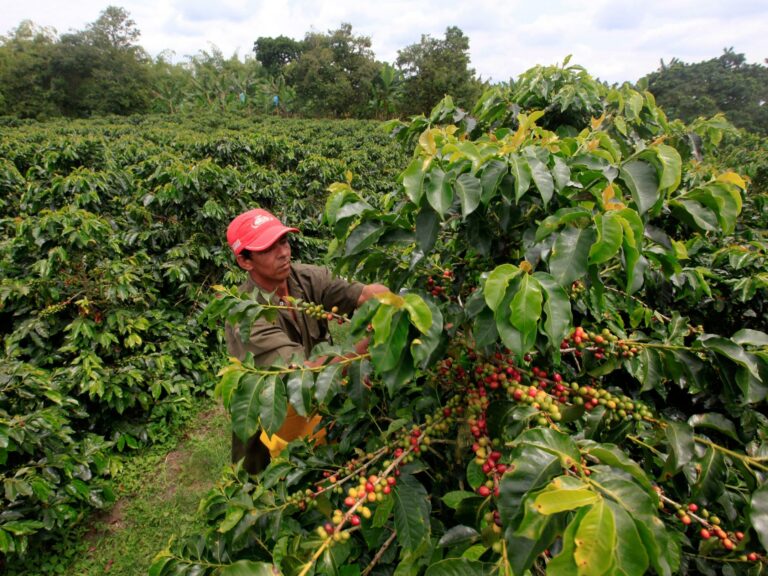
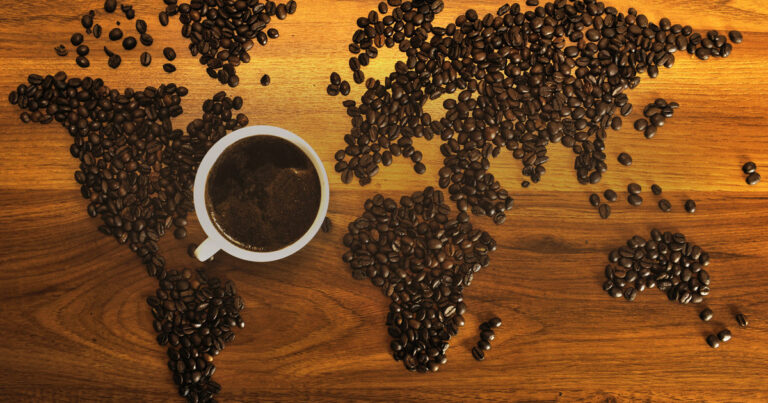
Here's a quick cheat sheet for Arabica origins and their typical flavor profiles:
- Ethiopia — Floral, fruity, wine-like; birthplace of Arabica coffee
- Colombia — Smooth, balanced, mild; reliable and universally appealing
- Brazil — Nutty, chocolatey, low acid; workhorse of many espresso blends
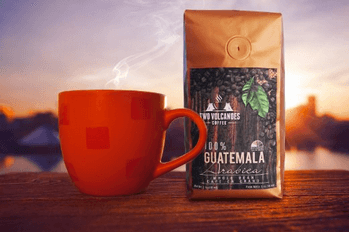
- Guatemala — Rich, full-bodied, spicy notes
- Indonesia (Sumatra) — Earthy, bold, low acid; heavy body
- Peru/Honduras/Nicaragua — Gentle sweetness, balanced, good for dark roasts
Freshness and Packaging: The Factor Most Buyers Ignore
Even the best Arabica beans go stale. Coffee starts losing peak flavor within 2–4 weeks of roasting, and exposure to oxygen, light, heat, or moisture accelerates that process. When buying whole beans online, look for:
- A roast date (not just a "best by" date — you want to know when it was roasted)
- A one-way degassing valve on the bag (lets CO2 out, keeps oxygen out)
- Airtight or nitrogen-flushed packaging for beans stored before opening
- Resealable bags so you can maintain freshness after opening
Once you open a bag, transfer beans to an airtight container and keep them at room temperature, away from direct sunlight. Don't refrigerate or freeze beans unless you're storing them for months — the moisture from temperature cycling does more harm than good.
Brewing Method Compatibility
Your brewing method should influence which beans you buy. The grind size varies significantly across methods — espresso needs fine, French press needs coarse — and some flavor profiles shine in certain methods while fading in others. Getting a quality burr grinder is the single best upgrade you can make to your coffee setup, regardless of which beans you buy. The wrong grind size can ruin even the most expensive Arabica. If you need help choosing between grinder types, our blade vs. burr grinder guide covers everything you need to know.

FAQs
What exactly is Arabica coffee?
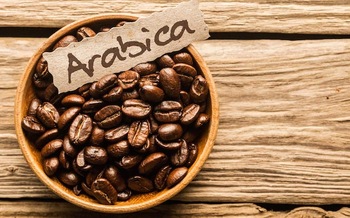
Arabica coffee comes from the Coffea arabica plant, one of the two commercially dominant coffee species in the world (the other being Robusta). According to Wikipedia's overview of Coffea arabica, the species originated in Ethiopia and accounts for roughly 60% of global coffee production today. Arabica plants grow best at high altitudes — typically between 1,800 and 6,300 feet above sea level — in tropical climates with specific temperature ranges. The beans are oval, relatively flat, and have a curved crease. In the cup, Arabica produces sweeter, more complex flavors with lower bitterness and caffeine compared to Robusta.
What does "100% Arabica" on the label actually mean?
It means the bag contains only Coffea arabica beans with no Robusta blended in. This matters because Robusta is cheaper to grow, contains more caffeine, and delivers a harsher, more bitter flavor. Many commercial coffee blends — especially supermarket brands — include a percentage of Robusta to cut costs, even when the label doesn't make that obvious. A "100% Arabica" label is a meaningful quality signal, though it doesn't guarantee the coffee is specialty-grade or freshly roasted. Always look for a roast date alongside that label.
Does Arabica coffee have less caffeine than Robusta?
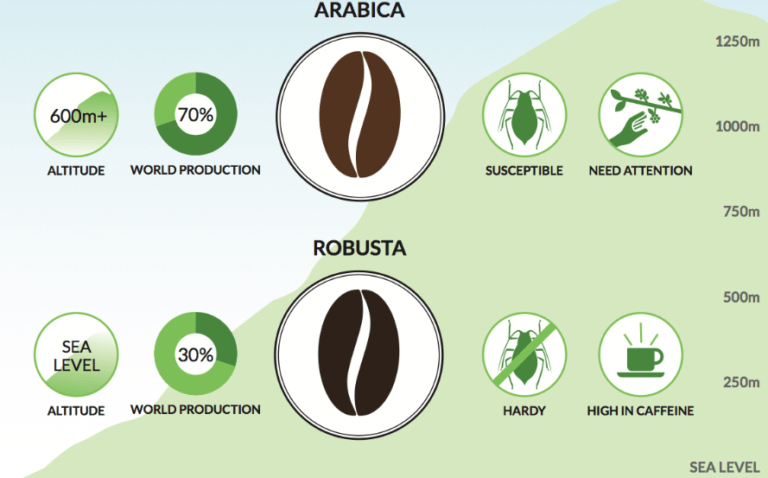
Yes — significantly less. Arabica beans contain roughly 1.2–1.5% caffeine by weight, while Robusta beans contain around 2.2–2.7%. That means a cup of Arabica delivers noticeably less caffeine than a cup of Robusta brewed at the same strength. If you're sensitive to caffeine or trying to limit your intake, 100% Arabica is always the lower-caffeine choice compared to Robusta-blended coffees. That said, brew strength, cup size, and grind fineness all affect how much caffeine ends up in your cup — so these are ranges, not fixed numbers.
Which country produces the best Arabica coffee beans?
There's no single answer — the "best" country depends on the flavor profile you're after. Ethiopia is the ancestral home of Arabica and produces some of the world's most complex, fruity, and floral coffees. Colombia is celebrated for consistently smooth, balanced cups with universal appeal. Guatemala delivers rich, full-bodied coffees with a distinctive spice edge. Yemen produces rare, intensely flavored beans that command high prices. If you want versatility and reliability, Colombia is the easiest starting point. If you want exploration and complexity, Ethiopia and Guatemala are endlessly rewarding. The beauty of buying whole-bean Arabica is that you can try them all.
What coffee brands reliably use 100% Arabica beans?
All seven brands reviewed in this guide use 100% Arabica — that's a baseline requirement for this list. Beyond these picks, well-known brands that consistently use 100% Arabica include Starbucks Reserve, Blue Bottle Coffee, Counter Culture, Lavazza Super Crema, and Tim Hortons (for their premium lines). Always verify the label directly, as some brands have both Arabica-only and blended product lines in the same lineup. Specialty roasters — companies that source directly from farms and roast in small batches — are your most reliable bet for true 100% Arabica quality.
Is Arabica coffee always better than Robusta?
For most home brewers and specialty coffee drinkers, yes — Arabica produces a superior cup in terms of flavor complexity, sweetness, and aroma. But "better" is context-dependent. Robusta has a stronger, more bitter flavor and produces a thicker crema on espresso, which is why some traditional Italian espresso blends include a small percentage of Robusta intentionally. Robusta also costs less to produce, which is why budget instant coffee and many supermarket blends use it. If you're brewing whole bean coffee at home and flavor quality is your priority, 100% Arabica is the right choice for 2026 and beyond.
Buy on Walmart
- Illy Classico Whole Bean Coffee, Medium Roast, Classic Roast — Walmart Link
- Stumptown Coffee Roasters, Medium Roast Whole Bean Coffee, 1 — Walmart Link
- Intelligentsia Coffee, Light Roast Whole Bean Coffee, 100% A — Walmart Link
- Don Francisco's 100% Colombia Supremo Whole Bean Coffee, Med — Walmart Link
- Mayorga Dark Roast Coffee 5lb bag Cubano Roast 100% Arabica — Walmart Link
- 2LB Subtle Earth Organic Coffee - Medium-Dark Roast - Whole — Walmart Link
- Peet's Coffee, Dark Roast Whole Bean Coffee, 100% Arabica Co — Walmart Link
Buy on eBay
- Illy Classico Whole Bean Coffee, Medium Roast, Classic Roast — eBay Link
- Stumptown Coffee Roasters, Medium Roast Whole Bean Coffee, 1 — eBay Link
- Intelligentsia Coffee, Light Roast Whole Bean Coffee, 100% A — eBay Link
- Don Francisco's 100% Colombia Supremo Whole Bean Coffee, Med — eBay Link
- Mayorga Dark Roast Coffee 5lb bag Cubano Roast 100% Arabica — eBay Link
- 2LB Subtle Earth Organic Coffee - Medium-Dark Roast - Whole — eBay Link
- Peet's Coffee, Dark Roast Whole Bean Coffee, 100% Arabica Co — eBay Link
Final Thoughts
Every bag on this list earns its spot, but the right one for you comes down to your roast preference, your brewing method, and your budget — three factors only you can weigh. If you're still unsure where to start, pick the Stumptown Hair Bender for its versatility or Don Francisco's Colombia Supremo for its value, brew your first cup as whole bean, and let the difference speak for itself. Once you've tasted what fresh, properly roasted 100% Arabica can do, it's very hard to go back.


About Jeanette Kierstead
Jeanette Kierstead has spent over six years testing and reviewing coffee equipment with a focus on the home brewing experience — from entry-level drip machines to pour-over setups, single-serve systems, and bean-to-cup grinder combos. Her methodical approach to evaluation covers brew temperature, extraction consistency, ease of use, and long-term reliability across a wide range of brands and price points. At KnowYourGrinder, she covers coffee maker reviews, brewing method comparisons, and practical buying advice for home coffee enthusiasts.
Get FREE Coffee Gifts now. Or latest free grinders from our best collections.
Disable Ad block to get all the secrets. Once done, hit any button below