Best BPA Free Coffee Maker: Reviews, Buying Guide and FAQs 2026
You're standing in front of a wall of coffee makers at the store, or scrolling through dozens of options online, and somewhere in the back of your mind a question keeps surfacing: is this thing safe? If you've started paying attention to what your brewing equipment is made from, you're not alone. More and more coffee drinkers in 2026 are making BPA-free the baseline requirement — not a bonus feature — when shopping for a new machine.
BPA (bisphenol A) is an industrial chemical used in certain plastics and epoxy resins. When it leaches into hot liquids — like, say, freshly brewed coffee — it can interfere with hormones and has been linked to a range of health concerns. Choosing a BPA-free coffee maker isn't just a wellness trend; it's a straightforward way to protect yourself every single morning. The good news is that the best machines on the market today are not only free of BPA but also produce exceptional coffee.
In this guide, we've reviewed seven of the top BPA-free coffee makers available right now, covering everything from budget-conscious programmable drip machines to precision brewers that rival your local specialty café. We've also put together a buying guide and FAQ section so you can make a fully informed decision. If you're also interested in manual brewing methods that sidestep plastic concerns entirely, our pour-over and drip coffee guide is worth a read.
Contents
- Best Choices for 2026
- In-Depth Reviews
- Cuisinart DCC-3200NAS — Best Overall Value
- OXO Brew 9-Cup — Best SCA-Certified Mid-Range
- Technivorm Moccamaster KBGV Select — Best Premium Build
- Bonavita BV1500TS — Best Compact Thermal Carafe
- Breville Precision Brewer — Best for Specialty Coffee
- Fellow Aiden — Best Smart Drip Brewer
- Braun MultiServe Plus — Best Versatile Multi-Function
- What to Look For When Buying
- FAQs
- Key Takeaways
Best Choices for 2026
- #PreviewProductRating
- Bestseller No. 1
 Rating:

- Bestseller No. 2
 Rating:
 - Bestseller No. 3
 Rating:
 - Bestseller No. 4
 Rating:
 - Bestseller No. 5
 Rating:
 - Bestseller No. 6
 Rating:
 - Bestseller No. 7
 Rating:
In-Depth Reviews

1. Cuisinart DCC-3200NAS — Best Overall Value
The Cuisinart DCC-3200NAS is one of the most trusted BPA-free drip coffee makers on the market, and it's easy to understand why. This 14-cup programmable machine punches well above its price class, offering a fully stainless steel body combined with BPA-free internal components so you never have to worry about plastic touching your hot brew. The adjustable warming plate is a genuinely useful feature — you can dial it between low, medium, and high rather than living with one scorching setting that ruins the last two cups in the carafe.
Brew strength control lets you toggle between regular and bold, which actually changes the saturation time and contact between water and grounds. The 24-hour programmability means your coffee is ready the moment your alarm goes off, and the 1-4 cup setting adjusts extraction so smaller batches don't taste watered-down. The auto-off timer (adjustable from 0-4 hours) takes care of itself so you're never wondering mid-commute whether you left it on. For a household machine that handles daily use without fuss, this Cuisinart delivers consistent, clean-tasting coffee in a format that's hard to argue with.
Build quality is solid. The brushed stainless exterior holds up to daily handling, and the glass carafe is easy to clean. If you drink a lot of coffee and need a high-capacity machine without breaking the bank, the DCC-3200NAS earns its place at the top of this list.
Pros:
- 14-cup capacity suits large households or office use
- Adjustable warming plate prevents burnt-tasting coffee
- Bold vs. regular brew strength control
- 24-hour programmability with reliable auto-off
- Excellent value for the feature set
Cons:
- Glass carafe doesn't retain heat as long as thermal models
- Warming plate can cook the coffee if left too long on High
2. OXO Brew 9-Cup Coffee Maker — Best SCA-Certified Mid-Range
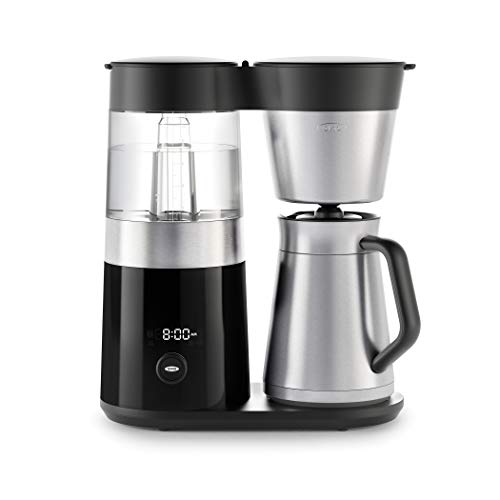
The OXO Brew 9-Cup is one of the clearest examples of what a precision-engineered BPA-free coffee maker looks like at a reasonable price point. It carries SCA (Specialty Coffee Association) certification, meaning it meets strict standards for brew temperature, saturation, and contact time — not a marketing claim, but a verified result. Water temperature stays between 197.6°F and 204.8°F throughout the brew cycle, which is exactly where you want it for optimal extraction without scalding the grounds.
The interface is refreshingly simple: a single dial lets you choose cup count, set the time, and program the auto-start. There's no confusing button layout, no buried menus. The BetterBrew Precision Brewing system automatically adjusts the cycle depending on how much coffee you're making, so a two-cup brew doesn't get under-extracted and a full pot doesn't rush through too fast. The stainless steel carafe keeps coffee hot for hours without a warming plate, eliminating the burnt-coffee problem entirely.
If you're upgrading from a basic drip machine and want something that genuinely tastes better — not just looks better — the OXO Brew 9-Cup is the machine that makes that upgrade feel worthwhile. Its brewing consistency is something you notice from the first pot. Pair it with freshly ground coffee, and the results are outstanding.
Pros:
- SCA-certified brewing temperature and saturation
- Intuitive single-dial interface
- Thermal carafe keeps coffee hot without a warming plate
- Adjusts brewing cycle by cup count automatically
- Compact stainless steel design
Cons:
- 9-cup capacity may be limiting for large households
- Higher price than entry-level programmable machines
3. Technivorm Moccamaster KBGV Select — Best Premium Build
There is no machine on this list that commands respect quite like the Technivorm Moccamaster. Handmade in the Netherlands, it has been SCA-certified for decades and is built from materials chosen for performance and longevity — not cost-cutting. The KBGV Select is the gold standard for BPA-free construction, with a copper heating element, BPA-free polycarbonate housing, and a stainless steel lined carafe that keeps coffee at the perfect serving temperature for hours. The "Select" designation adds a brew-volume selector (1-5 cups or full carafe) so extraction stays dialed in regardless of batch size.
Brewing is fast — the Moccamaster brings a full 40-ounce carafe to completion in under six minutes — but it doesn't sacrifice temperature accuracy to get there. The copper boiler heats water to the ideal 196°F–205°F range and maintains it consistently throughout the brew. There's no programmable timer, no Bluetooth, no app. That's intentional. The Moccamaster's philosophy is to do one thing extraordinarily well: brew coffee at the correct temperature with the correct flow rate, every single time.
Yes, it's expensive. But when you factor in the 5-year warranty, the decades-long lifespan most owners report, and the caliber of coffee it produces daily, the cost-per-cup math works out in your favor. This is the machine you buy once and never replace. If you want the absolute best BPA-free drip coffee maker available and price is secondary to quality, buy the Moccamaster.
Pros:
- Handmade, heirloom-grade build quality
- SCA-certified brewing performance
- Copper boiler delivers precise, consistent temperature
- Brew-volume selector for partial or full carafe
- 5-year manufacturer warranty
Cons:
- Premium price point — a serious investment
- No programmable timer or smart features
4. Bonavita BV1500TS — Best Compact Thermal Carafe
If you live alone or brew for two, the Bonavita BV1500TS is one of the smartest compact coffee makers you can buy. It's SCA-certified, BPA-free throughout, and brews a full 5-cup carafe in just five minutes — powered by a 1,100-watt heater that maintains water between 194°F and 205°F without compromise. The stainless steel double-wall thermal carafe is the headline feature: no warming plate, no scorched coffee, and no more hunting for the off switch before you leave.
The showerhead design is genuinely engineered, not just a marketing term. It distributes water evenly across the flat-bottom filter basket, which means even saturation and consistent extraction — the two things that separate a good cup from a mediocre one. One-touch brewing makes operation effortless, and the auto shut-off adds peace of mind. The dishwasher-safe components mean cleanup is a non-event.
For anyone who finds a 10-cup machine wasteful and prefers not to babysit a warming plate, the Bonavita hits every mark. It's also compact enough to fit under most kitchen cabinets without issue. If you're weighing smaller BPA-free options, this is the one to get. Understanding your coffee filter options can help you get the most out of this flat-bottom basket design.
Pros:
- SCA-certified at a very accessible price
- Brews 5 cups in under 5 minutes
- Double-wall thermal carafe eliminates the need for a warming plate
- Even-saturation showerhead for consistent extraction
- Dishwasher-safe components make cleanup simple
Cons:
- 5-cup capacity won't work for larger households
- No programmable timer
5. Breville BDC450BSS Precision Brewer — Best for Specialty Coffee
The Breville Precision Brewer is the machine for people who take coffee seriously. It's designed specifically to brew third-wave specialty coffee at home — the kind of nuanced, origin-forward coffee that deserves a machine capable of keeping up. Six brewing modes cover everything from a fast weekday pot to a proper slow-bloom extraction: Gold, Fast, Strong, Iced, Cold Brew, and the fully customizable My Brew mode where you set your own temperature and flow rate down to the minute.
The PID temperature control is the technical heart of this machine. It keeps water at precise temperatures across the entire brew cycle — not a best-guess approximation, but actual digital control with three different selectable flow rates to optimize contact time. The Thermo Coil Heating System delivers water that Breville claims is purer than systems using aluminum elements. The 60-ounce stainless steel thermal carafe handles a full household's morning needs with capacity to spare, and it keeps coffee genuinely hot — not warm — for two or more hours.
For more on the brand's engineering ethos and product line, our Breville company overview breaks down what sets them apart. If you're already grinding quality beans and want a drip machine that does them justice, the Precision Brewer is the right answer. Pair it with a quality burr grinder and the results will genuinely surprise you.
Pros:
- Six brewing modes including Gold, Strong, Iced, and Cold Brew
- PID digital temperature control with adjustable flow rates
- Large 60-oz thermal carafe
- My Brew mode for full manual customization
- BPA-free throughout, SCA-certified
Cons:
- Premium price — one of the more expensive options here
- Learning curve to get the most out of My Brew mode
6. Fellow Aiden Precision Coffee Maker — Best Smart Drip Brewer
Fellow has built a reputation in the specialty coffee world for obsessive engineering, and the Aiden is their answer to the question of what a truly precision drip brewer should look like. The built-in bloom cycle — where water pre-wets the grounds before full extraction begins — is baked into every brew automatically, releasing CO2 from fresh coffee for a fuller, more even extraction. You don't have to remember to do it or set it up; the Aiden handles it every time.
Temperature control is precise and adjustable, letting you dial in the brewing temperature to match the roast level you're working with — lighter roasts generally benefit from higher brew temperatures, and darker roasts from slightly cooler. The 10-cup thermal carafe is well-insulated and the removable water tank is genuinely practical: pull it out, fill it at the sink, drop it back in. No lifting the whole machine or trying to pour water into a small reservoir over the counter. The drip-stop filter basket also prevents mess when you pull the carafe mid-brew.
Single-serve mode lets you brew a single cup directly without wasting a full pot's worth of coffee and water. For specialty coffee drinkers who want barista-level control without going fully manual, the Fellow Aiden is a standout choice in 2026.
Pros:
- Automatic bloom cycle for improved extraction on every brew
- Adjustable brew temperature to match roast profile
- Removable water tank for easy filling
- Single-serve and batch brewing modes
- Sleek matte black design with premium build quality
Cons:
- High price point relative to output capacity
- Matte black finish shows water spots and fingerprints
7. Braun MultiServe Plus KF9370SI — Best Versatile Multi-Function
The Braun MultiServe Plus earns its spot on this list for sheer range. If you want one BPA-free machine that handles hot coffee, cold brew, iced coffee, and hot water dispensing — without pods — this is it. The BrewChoice Plus system gives you four distinct brewing modes: Over Ice, Cold Brew, Gold, and Bold, all accessible with a single button press. The Cold Brew mode produces a smooth carafe in under 13 minutes, a fraction of the 12-24 hours a traditional cold brew setup requires.
The MultiServe Dial is one of the more user-friendly features in this category: rotate it to choose from seven different serving sizes, from a single cup direct into your travel mug all the way to a full 10-cup carafe. The hot water function expands the machine's utility to tea, oatmeal, or anything else that needs hot water on demand. Auto start and programmable timer mean it can be ready when you wake up. The pod-free design keeps costs down and waste minimal — no capsule subscription required.
It's a capable everyday workhorse that doesn't ask you to compromise. For households with diverse coffee preferences or those who want cold brew without the wait, the Braun MultiServe Plus is the practical all-rounder of this group.
Pros:
- Four distinct brewing modes including Cold Brew and Over Ice
- Seven serving sizes via MultiServe Dial
- Cold Brew in under 13 minutes
- Hot water dispenser built in
- Pod-free design — no ongoing capsule costs
Cons:
- Glass carafe rather than thermal on some configurations
- Cold Brew mode uses more grounds than traditional cold brew methods
What to Look For When Buying a BPA-Free Coffee Maker

Understanding BPA and Why It Matters
BPA stands for bisphenol A, a synthetic compound that has been used since the 1960s in polycarbonate plastics and epoxy resins. The concern with BPA is its ability to leach into food and beverages, especially when heated — a significant issue in a coffee maker where hot water contacts plastic components repeatedly every single day. According to the U.S. Food and Drug Administration, BPA can mimic estrogen in the body and has been associated with potential effects on the brain, behavior, and prostate gland in fetuses, infants, and children.
When shopping for a BPA-free coffee maker, look for machines explicitly labeled BPA-free in their product materials — including the water reservoir, internal tubing, carafe, and filter basket. Some machines have BPA-free carafes but still use older plastic in the internal water path, which undermines the whole point. The machines on this list are verified BPA-free throughout their water-contact components.
Carafe Type: Glass vs. Thermal
The carafe choice shapes your entire experience with the machine. Glass carafes are less expensive to manufacture, easy to clean, and let you see exactly how much coffee is left — but they require a warming plate to keep coffee hot, and warming plates are notorious for cooking coffee past its prime within 20-30 minutes. If you like to sip slowly over an hour, a glass carafe machine will punish you with bitter, stale-tasting coffee.
Thermal (stainless steel double-wall) carafes are the better choice for coffee quality. They maintain temperature without any heat source, keeping coffee drinkable for 2-4 hours depending on the model. If you care about the last cup tasting as good as the first, choose a thermal carafe machine. All the premium picks on this list — the OXO, Moccamaster, Bonavita, Breville, and Fellow Aiden — use thermal carafes for this reason.
Brew Temperature and SCA Certification
Water temperature during brewing is one of the most consequential variables in coffee flavor. Too low (below 195°F) and the coffee is under-extracted — flat, weak, sour. Too high (above 205°F) and you risk over-extraction — harsh, bitter, astringent. The Specialty Coffee Association sets the ideal range at 197.6°F to 204.8°F (92°C to 96°C), and their certification program independently verifies that a machine consistently hits this range during actual brewing.
SCA-certified machines on this list include the OXO Brew, Bonavita BV1500TS, Breville Precision Brewer, and Technivorm Moccamaster. If consistent, quality extraction matters to you — and it should — look for that certification or at minimum a machine that publishes its actual brew temperature specifications. Vague claims like "optimal brewing temperature" without a number are a red flag.
Programmability and Ease of Cleaning
Convenience features like 24-hour programmability, auto-start, and adjustable auto-off timers are genuinely useful in daily life, not just spec-sheet padding. If your morning schedule is consistent, programming your coffee maker the night before saves real time. The Cuisinart DCC-3200NAS and Braun MultiServe Plus both excel here.
Equally important — and often overlooked — is how easy the machine is to clean. Mineral deposits from water build up inside any coffee maker over time and affect both performance and flavor. Look for machines with accessible water reservoirs, removable filter baskets, and dishwasher-safe components. Running a descaling cycle every 1-3 months is standard maintenance regardless of machine. Some machines, like the Fellow Aiden with its removable water tank, make the cleaning process noticeably more convenient than designs where you pour water directly into the machine body.
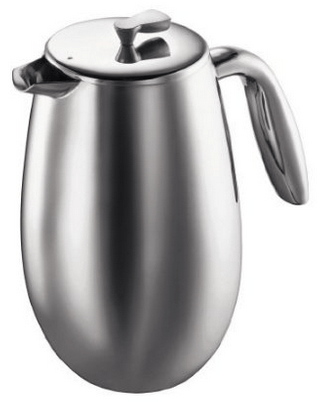
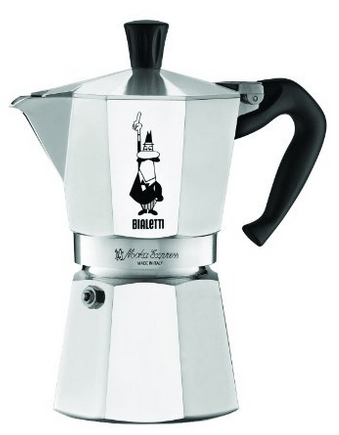
Beyond drip machines, it's worth knowing that many alternative BPA-free brewing methods exist. French presses and Moka pots made entirely of stainless steel or borosilicate glass are inherently plastic-free. The best coffee maker and grinder combos also include BPA-free options that grind and brew in one unit. And if you're curious about manual alternatives that give you complete control over every variable, our guide to making French press coffee is a solid starting point.
FAQs
What does BPA-free mean on a coffee maker?
BPA-free means the machine's water-contact components — including the reservoir, internal tubing, filter basket, and carafe — are made without bisphenol A. BPA is an industrial chemical used in some plastics that can leach into hot liquids and potentially disrupt hormonal function. A BPA-free label on a quality coffee maker means you're not exposing yourself to this chemical every morning through your daily brew.
Are all modern coffee makers BPA-free?
Not automatically, no. Many budget machines still use cheaper plastics in their internal water paths even if they market themselves with other health claims. You need to confirm BPA-free status in the actual product specifications. The safest choices are machines that are explicitly certified or verified BPA-free throughout their water-contact components — not just in the visible exterior housing.
Is a glass or stainless steel carafe better for BPA-free coffee?
Both glass (borosilicate) and stainless steel carafes are BPA-free. The difference is in heat retention and taste. Glass carafes are completely inert and don't affect flavor at all, but they require a warming plate to stay hot — and warming plates degrade coffee quality within 30 minutes. Stainless steel thermal carafes keep coffee hot for hours without any heat source, which is better for your coffee's flavor. If you drink your coffee slowly or return for a second cup an hour later, choose a thermal carafe machine.
What is SCA certification and should it matter to me?
SCA stands for Specialty Coffee Association. Their Home Brewer Certification Program tests drip coffee machines against strict criteria: brew temperature must stay between 197.6°F and 204.8°F, contact time must fall within a specific window, and the finished brew must reach a minimum temperature in the cup. If a machine carries SCA certification, you have independent verification — not just a manufacturer claim — that it brews at the right temperature and produces properly extracted coffee. For anyone serious about coffee quality, SCA certification is worth prioritizing.
How often should I descale a BPA-free coffee maker?
Every 1-3 months depending on your water hardness and how frequently you brew. Hard water causes mineral deposits (calcium and magnesium scale) to build up inside the heating element and water path, which reduces efficiency, lowers brew temperature, and can leave a metallic taste in your coffee. Most machines have a descale indicator light. Use a commercial descaling solution or a 1:1 mix of white vinegar and water, run a full brew cycle, then run two cycles of fresh water to rinse. Keeping up with descaling also protects your machine's longevity.
Can I use paper or permanent filters in a BPA-free coffee maker?
Yes, and both have their advantages. Paper filters catch more oils and fine particles, producing a cleaner, brighter cup — they're also disposable, which simplifies cleanup. Permanent (reusable) metal or nylon mesh filters let more oils through for a fuller-bodied brew, and they eliminate the ongoing cost and waste of paper filters. Most drip coffee makers on this list accommodate both types. If you're focused on health and cleanliness, paper filters are also completely BPA-free and leave no residue. Your choice comes down to flavor preference and how much cleanup you want to deal with.
Buy on Walmart
- Cuisinart 14-Cup Coffee Maker, Programmable PerfecTemp Glass — Walmart Link
- OXO Brew 9-Cup Coffee Maker – Stainless Steel, Programmable — Walmart Link
- Technivorm Moccamaster 53941 KBGV Select 10-Cup Coffee Maker — Walmart Link
- Bonavita 5 Cup Drip Coffee Maker Machine, One-Touch Pour Ove — Walmart Link
- Breville BDC450BSS Precision Brewer Drip Coffee Maker, Therm — Walmart Link
- Fellow Aiden Precision Coffee Maker – 10-Cup Thermal Carafe, — Walmart Link
- Braun MultiServe Plus 10-Cup Drip Coffee Maker - Hot & Cold — Walmart Link
Buy on eBay
- Cuisinart 14-Cup Coffee Maker, Programmable PerfecTemp Glass — eBay Link
- OXO Brew 9-Cup Coffee Maker – Stainless Steel, Programmable — eBay Link
- Technivorm Moccamaster 53941 KBGV Select 10-Cup Coffee Maker — eBay Link
- Bonavita 5 Cup Drip Coffee Maker Machine, One-Touch Pour Ove — eBay Link
- Breville BDC450BSS Precision Brewer Drip Coffee Maker, Therm — eBay Link
- Fellow Aiden Precision Coffee Maker – 10-Cup Thermal Carafe, — eBay Link
- Braun MultiServe Plus 10-Cup Drip Coffee Maker - Hot & Cold — eBay Link
Key Takeaways
- The Cuisinart DCC-3200NAS is the best overall value — a high-capacity, fully programmable BPA-free machine that handles daily household use without compromise.
- If coffee quality is your priority, the Technivorm Moccamaster KBGV Select and Breville Precision Brewer are the two machines that deliver SCA-certified, specialty-grade results at home.
- For compact households or single-serve needs, the Bonavita BV1500TS offers SCA certification and a thermal carafe in the most space-efficient and affordable package on this list.
- When shopping for any BPA-free coffee maker in 2026, verify that the BPA-free claim applies to all water-contact components — not just the exterior — and prioritize thermal carafes over warming plates for the best-tasting coffee from first cup to last.


About Jeanette Kierstead
Jeanette Kierstead has spent over six years testing and reviewing coffee equipment with a focus on the home brewing experience — from entry-level drip machines to pour-over setups, single-serve systems, and bean-to-cup grinder combos. Her methodical approach to evaluation covers brew temperature, extraction consistency, ease of use, and long-term reliability across a wide range of brands and price points. At KnowYourGrinder, she covers coffee maker reviews, brewing method comparisons, and practical buying advice for home coffee enthusiasts.
Get FREE Coffee Gifts now. Or latest free grinders from our best collections.
Disable Ad block to get all the secrets. Once done, hit any button below