A standard coffee scoop holds 2 tablespoons of ground coffee — roughly 10 grams by weight. That's the direct answer to how big is a coffee scoop, and it's the baseline most drip coffee makers and coffee bag instructions are built around. For more practical brewing guidance, browse the tips and info section on KnowYourGrinder.

The longer answer involves a few wrinkles worth knowing. "Coffee scoop" isn't a regulated measurement. Scoops bundled with machines or coffee bags range from 1 tablespoon to 3. Even the same scoop gives you different amounts depending on whether you fill it level or heaped. Knowing exactly what your scoop holds — and filling it the same way every time — is the first step toward a consistently good cup.
This guide covers what the standard scoop size actually means, how to use it correctly across different brew methods, how it compares to weighing your coffee, and what to do when your measurements seem right but your cup still tastes off.
Contents
- How Big Is a Coffee Scoop? The Standard Explained
- How to Measure Coffee the Right Way
- Scoops vs. Scales — Weighing Your Options
- When a Scoop Is the Right Tool (And When It Isn't)
- Coffee Scoop Myths Worth Clearing Up
- Troubleshooting Weak or Bitter Coffee
- Building a Consistent Coffee Measuring Routine
How Big Is a Coffee Scoop? The Standard Explained
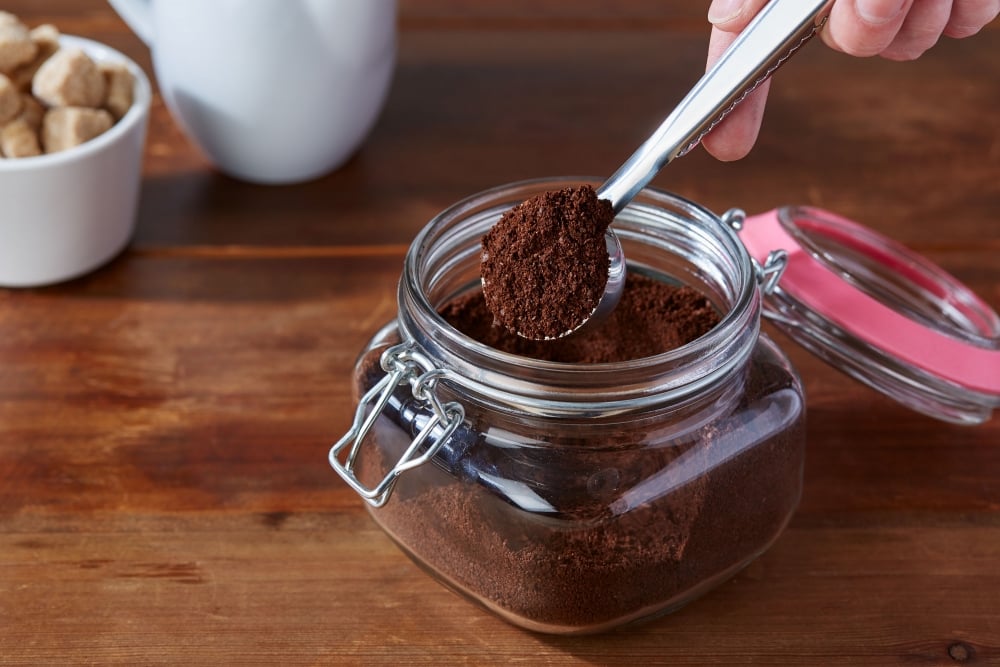
The 2-Tablespoon Rule
The most commonly cited answer to how big is a coffee scoop puts it at 2 tablespoons (10 grams) of ground coffee per 6 fluid ounces of water. According to the broader principles of coffee preparation, this ratio produces a medium-strength brew — not too bold, not too thin — and it's the starting point most manufacturers work from.
This isn't a law. It's a reliable default. From there, you adjust based on your taste, your beans, and your brewing method. Some people like a stronger cup and add a bit more. Others prefer a lighter brew and pull back. The 2-tablespoon benchmark gives you a consistent anchor to work from.
Why Scoop Sizes Vary
Not every scoop you encounter is a standard 2-tablespoon scoop. Manufacturers bundle different sizes with their products, and there's no industry-wide rule requiring them to match the common standard. Some scoops hold just 1 tablespoon. Others are oversized at 3 tablespoons. A few specialty coffee brands deliberately include smaller scoops — sometimes to make their product seem to last longer, sometimes because the roast is very bold and a smaller dose is genuinely appropriate.
The safest thing to do with any new scoop: measure it with a standard kitchen tablespoon before trusting it. Fill the scoop level, then tip the contents into a measuring spoon. It takes thirty seconds and removes all the guesswork going forward.
- Standard coffee scoop: 2 tablespoons (10 g)
- Small bundled scoops: often 1 tablespoon (5 g)
- Oversized scoops: up to 3 tablespoons (15 g)
- Heaped 2-tbsp scoop: can reach 13–15 g depending on grind size

How to Measure Coffee the Right Way
The Basic Coffee-to-Water Formula
The golden ratio for coffee is generally stated as 1:15 to 1:18 by weight — 1 gram of coffee per 15 to 18 grams (milliliters) of water. In scoop terms, that works out to 1 level scoop (2 tablespoons / 10 g) per 6 ounces (180 ml) of water for a balanced, medium brew.
Scaling up for a full pot? Use this table as a reference:
| Cups of Coffee | Water (oz) | Water (ml) | Scoops (2 tbsp each) | Coffee by Weight |
|---|---|---|---|---|
| 1 | 6 oz | 180 ml | 1 scoop | 10 g |
| 2 | 12 oz | 360 ml | 2 scoops | 20 g |
| 4 | 24 oz | 720 ml | 4 scoops | 40 g |
| 6 | 36 oz | 1,080 ml | 6 scoops | 60 g |
| 8 | 48 oz | 1,440 ml | 8 scoops | 80 g |
| 10 | 60 oz | 1,800 ml | 10 scoops | 100 g |
| 12 | 72 oz | 2,160 ml | 12 scoops | 120 g |
One important note: the "cup" markings on most drip coffee makers represent 5 to 6 ounces — not the 8-ounce mug you drink from. That gap is one of the most common reasons people end up with weak coffee even when they follow the scoop instructions exactly.
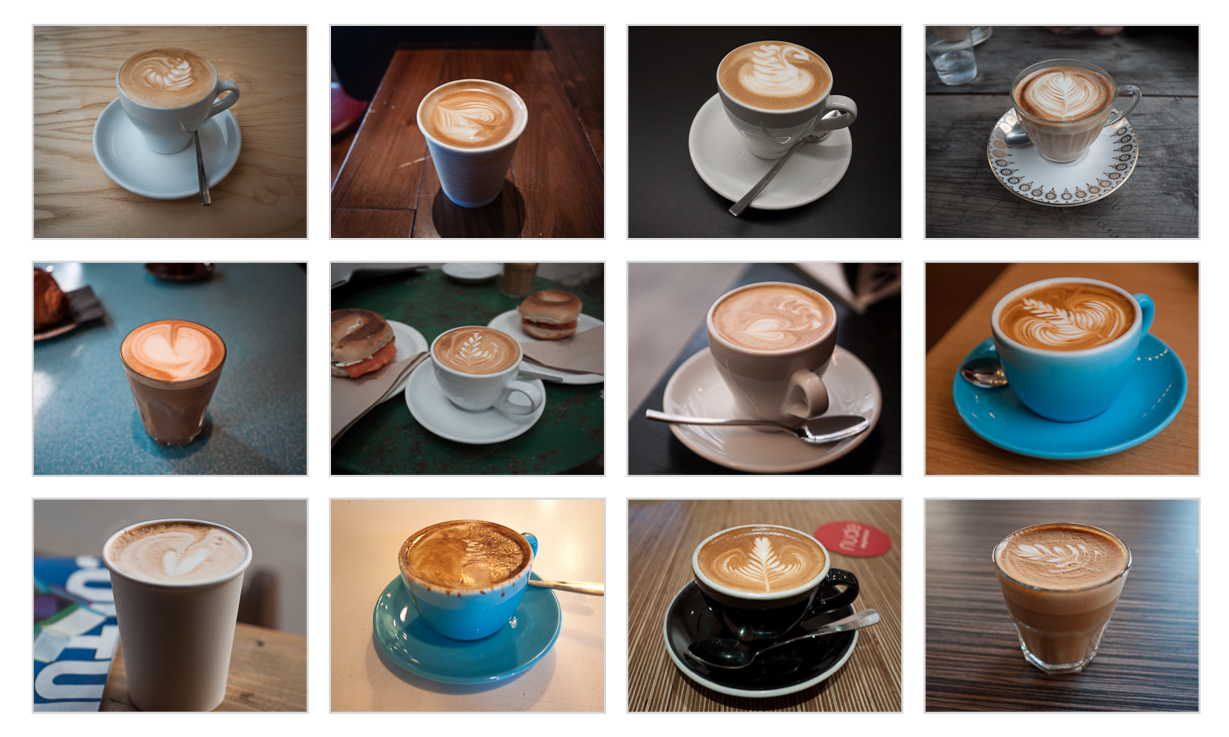
Pro tip: Measure water in fluid ounces rather than relying on your machine's "cup" markings — carafe numbers are not standardized across brands and often read short.
Adjusting for Your Brew Method
The 1-scoop-per-6-oz guideline is calibrated for standard drip machines. Other brew methods extract differently and may need a slightly different dose. Here's a quick breakdown:
- Drip coffee: 1 scoop (2 tbsp) per 6 oz — the standard baseline
- French press: slightly stronger — 1 scoop per 4–5 oz works well; see this complete French press brewing guide for exact ratios
- Pour over: 1:15 to 1:17 by weight for a clean, bright cup
- Cold brew: a strong concentrate — roughly 1 scoop per 2–3 oz, diluted before serving
- Espresso: measured in grams, not scoops — typically 18–20 g per double shot
- Moka pot: fill the basket level; no tamping, no scoop needed
Scoops vs. Scales — Weighing Your Options
Why Scoops Work for Most People
A scoop is fast. It requires no setup. And for everyday home brewing with the same coffee you buy regularly, a consistent scoop produces repeatable results without any extra effort. Most people find it far more practical to reach for a scoop in the morning than to zero out a kitchen scale.
- No equipment to set up or calibrate
- Works well with pre-ground coffee
- Repeatable when you fill the same way each time
- Ideal for casual home brewing and quick morning routines
When a Scale Gives You an Edge
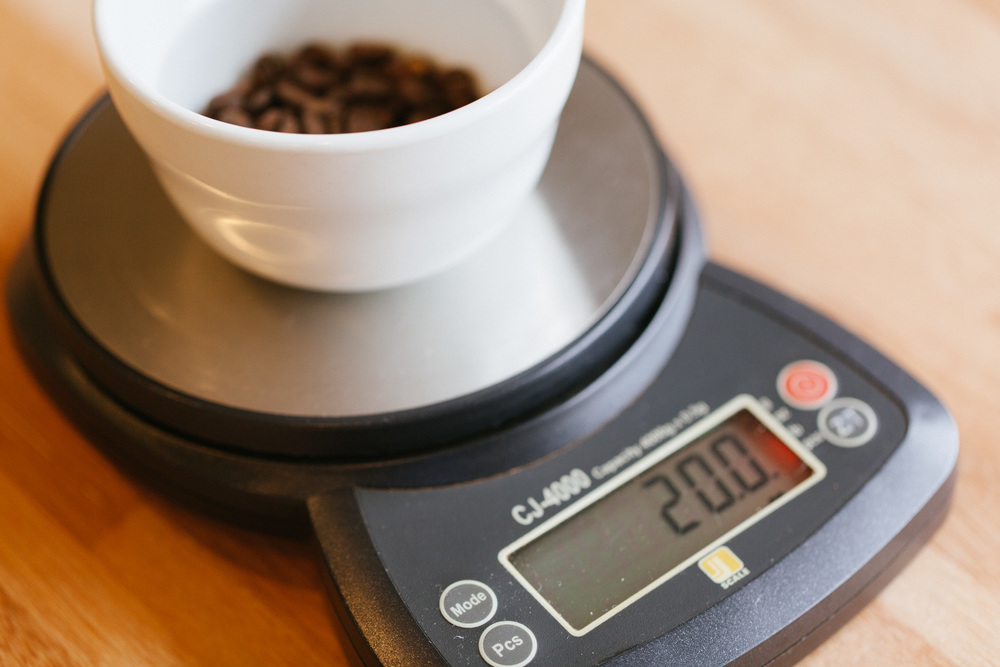
Volume and weight are not the same thing — and that gap matters more than most people expect. A 2-tablespoon scoop of coarsely ground light roast can weigh noticeably more than 2 tablespoons of finely ground dark roast. Different grind sizes pack differently, and roast level affects density too. A scoop that's perfectly calibrated for one coffee may be off by 20–30% for another.
If you're dialing in a new bag of beans, brewing pour over, or pulling espresso shots, a kitchen scale removes that variable entirely. Many serious home brewers use a scale to nail down a ratio with a new coffee, then switch to a calibrated scoop for daily convenience once they know what works.
When a Scoop Is the Right Tool (And When It Isn't)
Where Scoops Shine
Scoops are a genuinely practical tool for a lot of situations. You don't need to overthink it. If you're happy with your results, a scoop is doing exactly what it should.
Use a scoop when:
- You make the same drip or French press coffee every day
- You're using the same pre-ground coffee you always buy
- Speed matters more to you than perfect precision
- You're scaling up a recipe you already know works
- You want a low-effort routine that holds up over time
When Precision Matters More
Some situations reward accuracy in ways a scoop can't fully deliver. Specialty methods and fussier equipment make small dose differences noticeable in the cup.
Consider going beyond the scoop when:
- You're pulling espresso shots and need tight extraction control
- You're trying a new coffee and want to dial it in properly from the start
- You grind your own beans — grind setting changes affect how coffee packs per scoop
- You're comparing two coffees and want a fair side-by-side test
- You're setting up a professional or café environment — where a solid equipment and measurement plan is essential from day one
Coffee Scoop Myths Worth Clearing Up
Myth: One Scoop Per Cup Is Universal
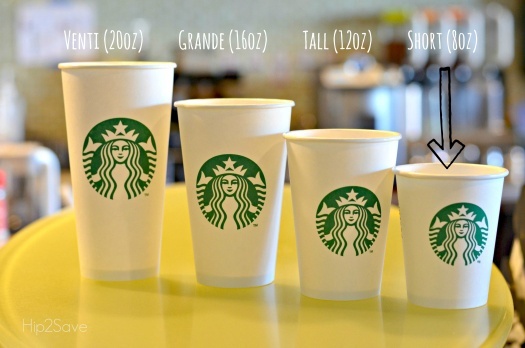
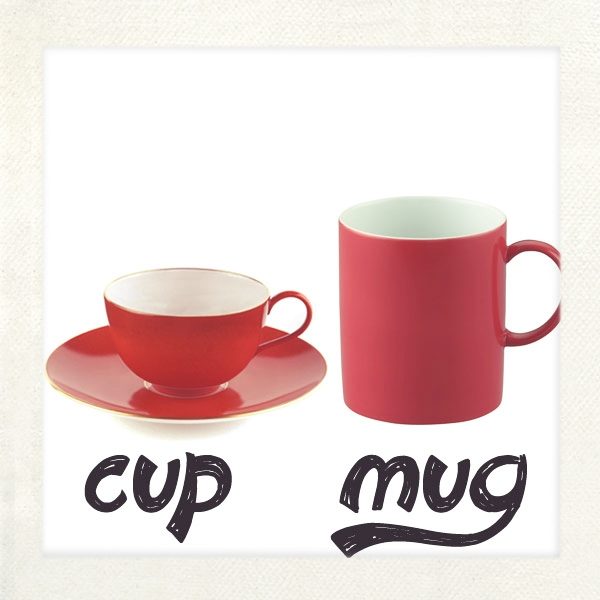
This one trips up a lot of home brewers. "One scoop per cup" assumes every cup is the same size — and they're not. Your home mug might hold 12 or 16 ounces. A travel tumbler could be 20. A coffee maker's marked "cup" is usually just 5–6 ounces. Using one scoop for a 16-ounce mug gives you roughly half the coffee strength the ratio calls for.
The fix: think in ounces of water, not cups. Use 1 scoop per 6 ounces, then multiply based on how much water you're actually adding — not how many "cups" the machine marks on the carafe.
Myth: All Scoops Are the Same Size
They're not — not even close. Scoops bundled with coffee products are produced to whatever size the manufacturer decides, with no standard enforced across the industry. Some are deliberately smaller. Others are large enough that following their implied "one scoop per cup" guidance would give you an overpoweringly strong brew.
Always measure a new scoop before trusting it. A 30-second check with a tablespoon tells you exactly what you're working with. Once you know, you can rely on it consistently.
Troubleshooting Weak or Bitter Coffee
Diagnosing the Problem
If your coffee isn't tasting right even though you're measuring carefully, the scoop itself is rarely the only factor in play. Several other variables affect the cup at least as much:
- Weak or watery coffee: too little coffee relative to water, grind too coarse, or water temperature too low
- Bitter coffee: too much coffee, water too hot, or over-extraction from too fine a grind
- Flat, lifeless flavor: stale beans, poor water quality, or a dirty machine
- Inconsistent results day to day: variable scoop fill, different water volumes, or grind drift
Water quality has a bigger impact than most people expect. Tap water with heavy mineral content or chlorine can dull or distort flavor regardless of how accurate your measurements are. For a deeper look at this, the guide on the best water for coffee covers what to look for and what to avoid.
Quick Fixes to Try
Before changing your ratio, run through these checks first — most problems come from one of these sources:
- Level your scoop the same way every time; don't heap one morning and level the next
- Check your water temperature — aim for 195–205°F (just off a full boil)
- Verify your grind setting hasn't drifted; grind consistency plays a huge role, which is one reason the difference between a blade grinder and a burr grinder matters so much for repeatable results
- Clean your machine — mineral buildup and coffee oils affect flavor; regular coffee maker maintenance is one of the simplest ways to protect your cup quality
- Check your beans — if the bag has been open for more than two or three weeks without an airtight seal, freshness may be the culprit
Building a Consistent Coffee Measuring Routine
Finding Your Ratio
The standard 2-tablespoon scoop per 6 ounces is a reliable starting point, but your ideal ratio is personal. It depends on the beans you use, your brewing method, and how you like your coffee to taste. Some people prefer a lighter brew; others like it strong. The goal is to find a ratio you enjoy and repeat it reliably.
A simple process for dialing in your ratio:
- Start with the baseline: 1 scoop (2 tbsp) per 6 oz water
- Taste the result and make a judgment — too strong, too weak, or close?
- Adjust by half a scoop at a time; small changes make a noticeable difference
- Once you find something you like, write it down with the coffee and grind setting you used
- Expect to re-calibrate slightly when you switch to a new coffee or change your grind
Choosing the Right Tools
You don't need expensive gear to measure coffee well, but a few reliable tools make consistency much easier to maintain over time.
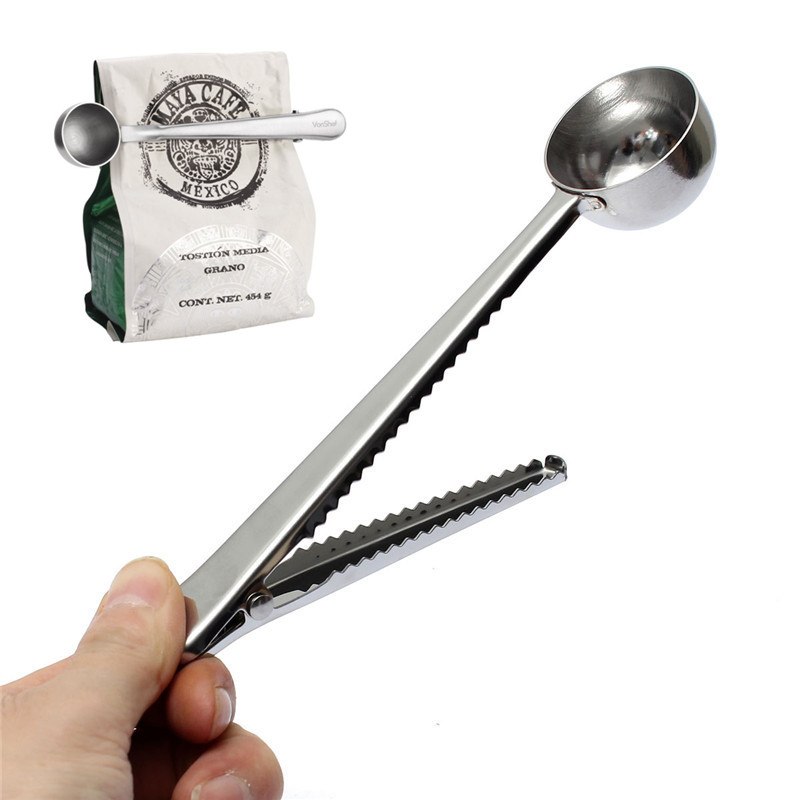
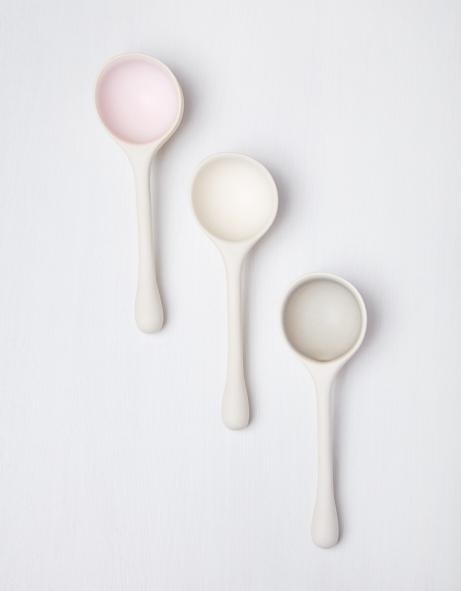
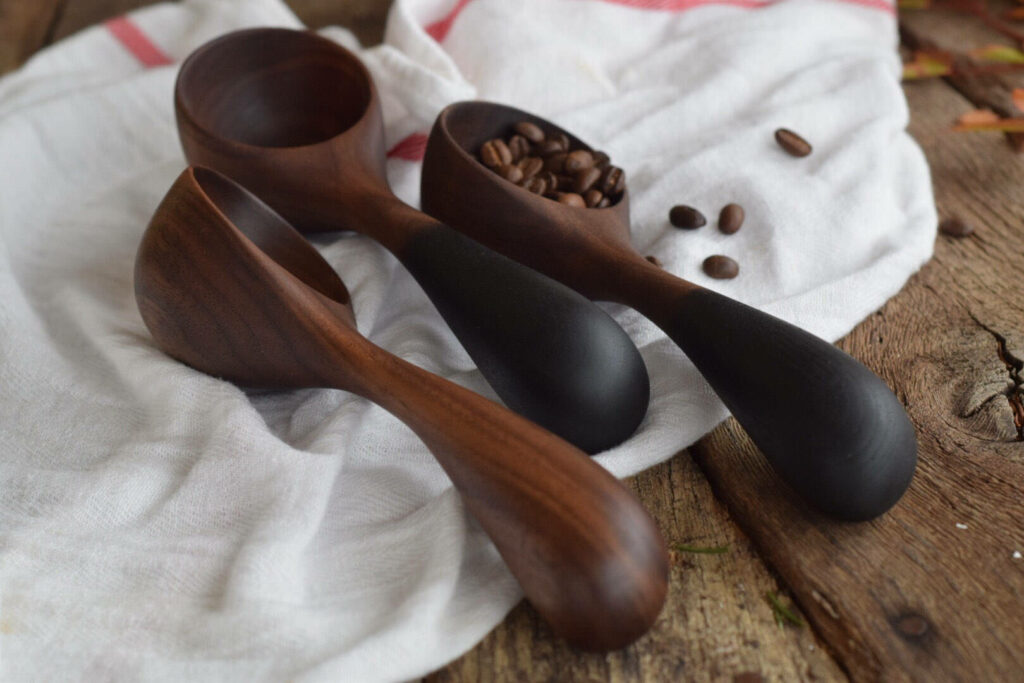
- A dedicated 2-tablespoon scoop: specifically sized, easy to use the same way every time; far more reliable than bundled scoops of unknown size
- A kitchen scale: the most accurate option; especially useful when switching between different coffees or brew methods
- A burr grinder: produces consistent particle size, which is foundational to repeatable extraction and accurate dose-by-volume
- A gooseneck kettle: gives you water temperature and pour control for manual methods
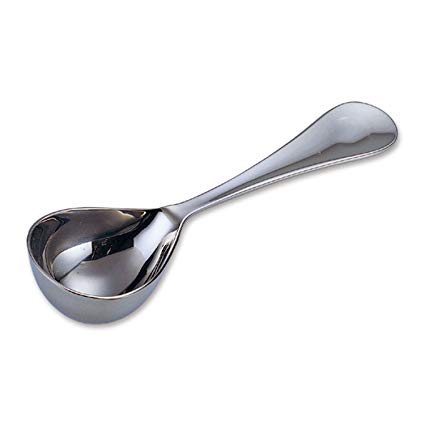
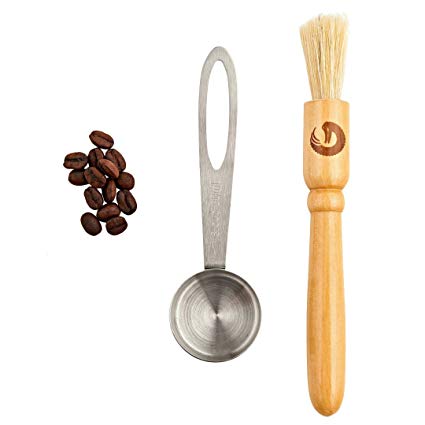
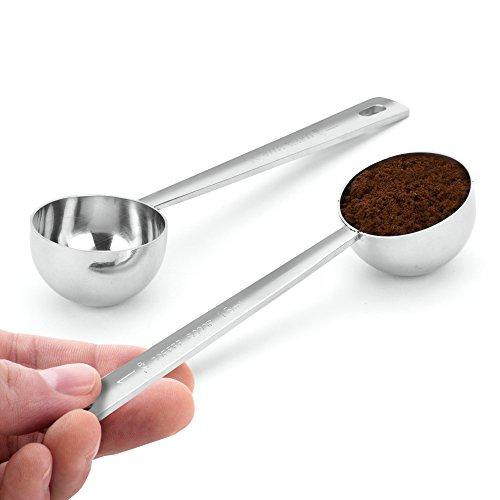
Here are a few popular scoop styles worth considering:
Frequently Asked Questions
How many tablespoons is a standard coffee scoop?
A standard coffee scoop holds 2 tablespoons of ground coffee, which equals roughly 10 grams by weight. This is the size most drip coffee makers and brewing guidelines are calibrated around. Always check a new scoop with a standard tablespoon measure before assuming it matches this size.
Is a coffee scoop the same as a tablespoon?
No. A standard coffee scoop is 2 tablespoons — double the size of a single tablespoon measure. Some scoops bundled with coffee makers or bags hold only 1 tablespoon, which can lead to under-dosing if you assume they match the standard. Measuring your scoop once saves a lot of confusion going forward.
How many scoops do I need for 12 cups of coffee?
For a standard 12-cup drip machine where each carafe "cup" equals 6 ounces, you'll need 12 level scoops. If your machine's cups are closer to 5 ounces, you can pull back to 10 scoops. Always refer to actual water volume in ounces rather than the carafe markings for the most accurate result.
Should I use a heaped or level coffee scoop?
Always use a level scoop for consistent results. A heaped 2-tablespoon scoop can hold up to 13–15 grams — 30 to 50 percent more than the standard 10 grams. If you heap one morning and level the next, your coffee strength will vary noticeably. Leveling off with a straight edge takes one second and keeps every brew on the same baseline.
Can I use a coffee scoop for espresso?
Not reliably. Espresso dosing is measured in grams, not tablespoons, and even a 1–2 gram deviation affects extraction meaningfully. A double shot typically calls for 18–20 grams of ground coffee. For espresso, a kitchen scale is the right tool — volume measurements don't give you the precision the method requires.
Next Steps
- Measure your current coffee scoop with a standard kitchen tablespoon to find out exactly how much it holds — don't assume it's a standard 2-tablespoon scoop until you've confirmed it.
- Try the baseline ratio of 1 level scoop per 6 ounces of water with your usual coffee, taste it, and decide whether you want to go slightly stronger or lighter before making any other changes.
- If you grind your own coffee, check whether you're using a blade or burr grinder — switching to a burr grinder is one of the most impactful improvements you can make for consistent dose-by-volume measurements.
- Test your water if your coffee tastes flat or off even with accurate measurements — filtered or bottled water with moderate mineral content often produces a noticeably better cup than straight tap water.
- Write down your preferred ratio, grind setting, and which coffee you used whenever you make a cup you genuinely enjoy — that one habit makes it easy to replicate and build on results over time.


About Selmir Omic
Selmir Omic is a coffee enthusiast and writer based in San Francisco with a particular interest in specialty coffee culture, single-origin beans, and the relationship between roast level and brewing method. He approaches coffee evaluation from a flavor and origin perspective, covering tasting notes, roast profiles, and the farm-to-cup story behind the beans that serious coffee drinkers seek out. At KnowYourGrinder, he covers coffee bean and roast reviews, taste tests, and guides to specialty coffee for readers building their palate and expanding their brewing knowledge.
Get FREE Coffee Gifts now. Or latest free grinders from our best collections.
Disable Ad block to get all the secrets. Once done, hit any button below